Why elevator music was a practical fix
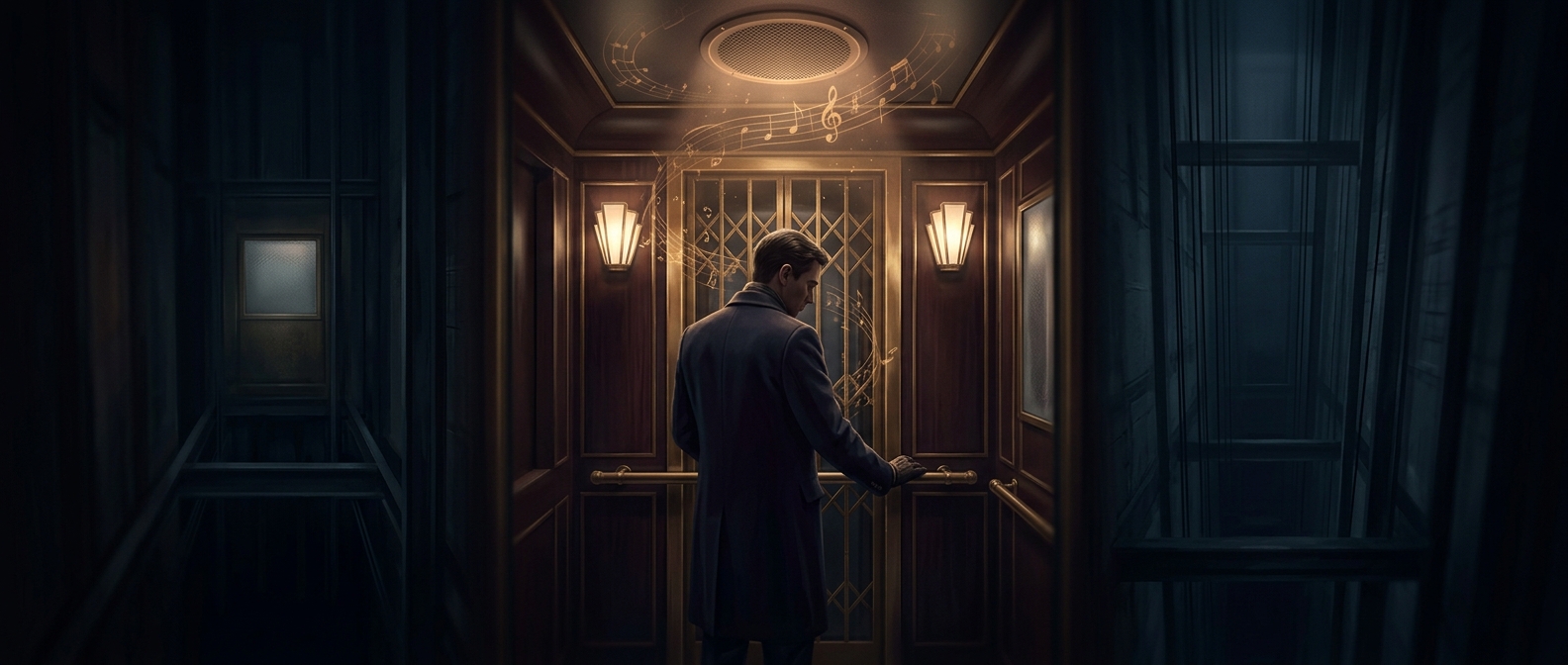
Early elevators could be noisy, and their enclosed cabins gave passengers little to look at or do while the car climbed. Music offered a simple way to soften the sounds of machinery and make the ride feel less stark. It changed the experience of the wait, not the elevator’s speed.
Sound fills an awkward silence
In a small cabin, mechanical clanks and cable sounds can seem especially prominent. Gentle background music masks some of that noise and gives attention somewhere else to go. Its steady, unobtrusive character matters: music that demands close listening would make a short ride feel more, not less, burdensome.
The effect is partly about perception. When passengers have a modest distraction, they may focus less on each passing second and on the machinery around them. The elevator still takes the same time to reach the floor, but the ride can feel less exposed and uncomfortable.
A shared space, lightly managed
Elevator music also helps set the tone in a cabin shared by strangers. It supplies a neutral background without requiring conversation, turning an otherwise silent pause into something more ordinary. The solution was modest: rather than hide the elevator’s workings completely or redesign the journey, add a layer of sound that makes the machinery less noticeable.
That is why the music became shorthand for bland background sound. Its very lack of drama was the point: it was meant to occupy the silence without becoming the main event.