A Machine in a Horse-Run Street
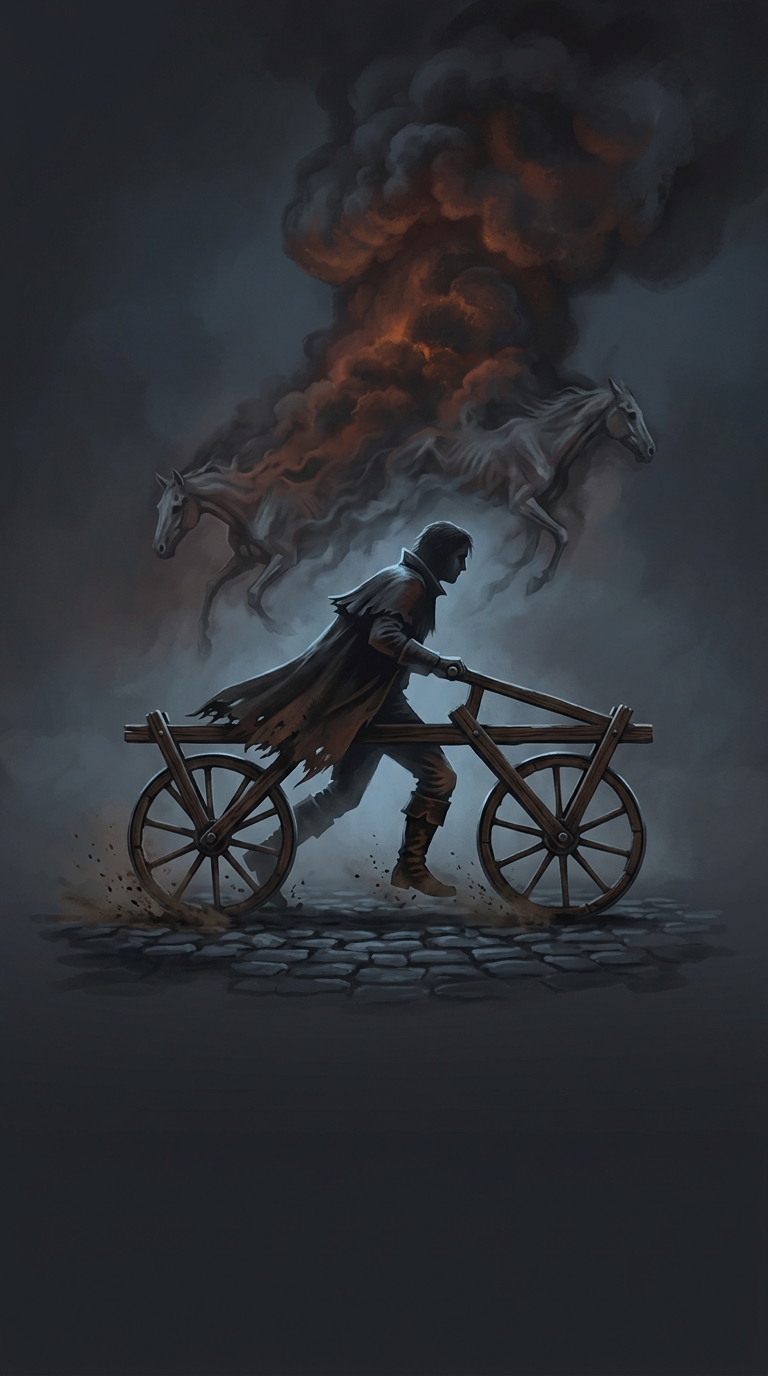
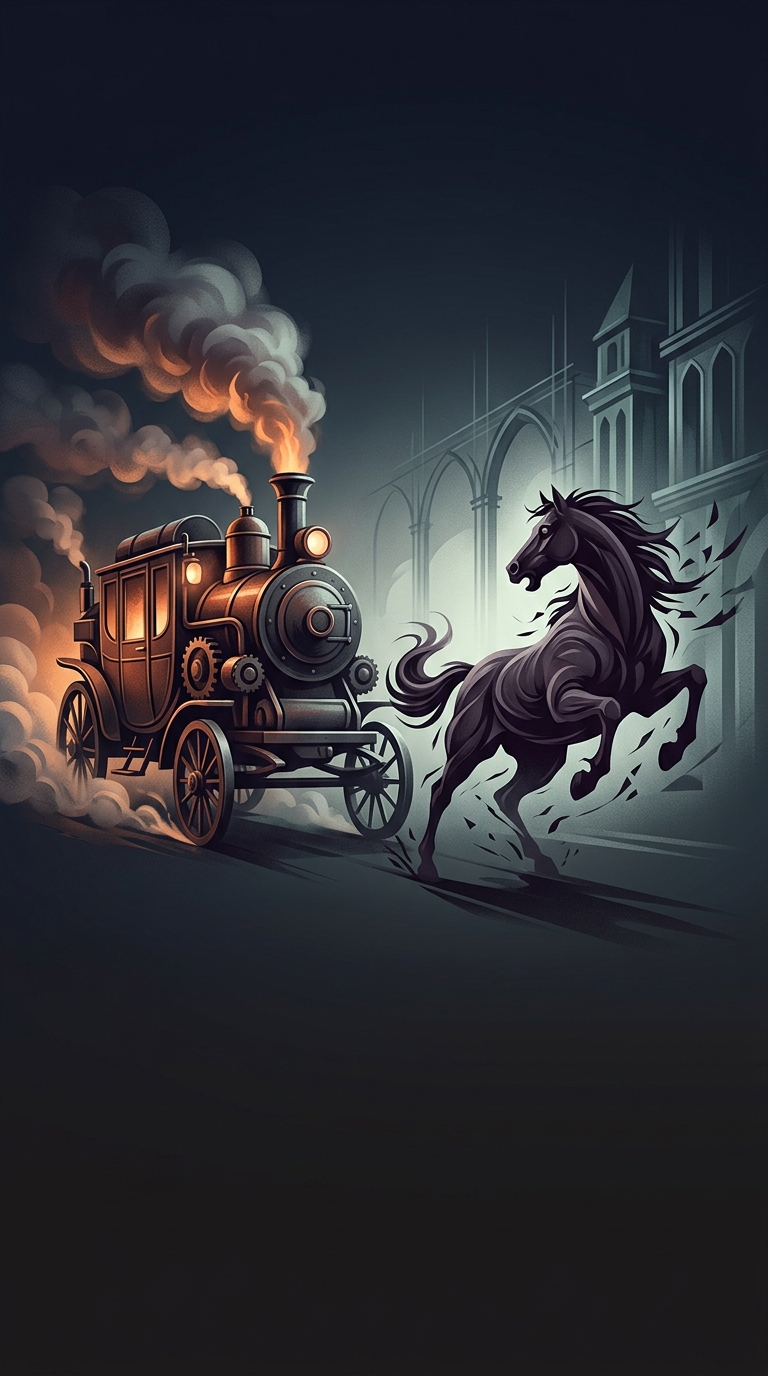
In 1855, a carriage did not move through a neutral roadway. Horses pulled omnibuses, carts, and private vehicles, and they supplied the power behind much of the city’s daily transport. Drivers could steer them, but animals also reacted to sudden sounds and motion. A startled horse might bolt, swing a cart into traffic, or knock down pedestrians—making a noisy vehicle a hazard beyond its own passengers.
Dudgeon’s steam carriage brought its machinery into that crowded system. A steam engine works by heating water to create pressurized vapor, which drives mechanical parts; the hiss and clank were signs of that process operating in public. To people accustomed to hoofbeats and wagon noise, the sound could be startling—and horses could not be expected to understand that the unfamiliar machine was passing safely.
The Cost of Introducing a New Vehicle
The city’s response reflects a basic transport problem: a new vehicle can be mechanically capable yet incompatible with the traffic around it. Before roads, rules, and everyday habits adapt, the machine has to share space with the system already in place. In this case, that meant accounting not only for human drivers but for the animals whose unpredictable reactions could put everyone nearby at risk.
The episode captures an awkward stage of technological change. The carriage offered a way to move people without relying on a team of horses, but it had to travel through streets still organized around horses. Its loudest obstacle was not simply the engine; it was the living traffic system the engine had entered.