One character, many kinds of play
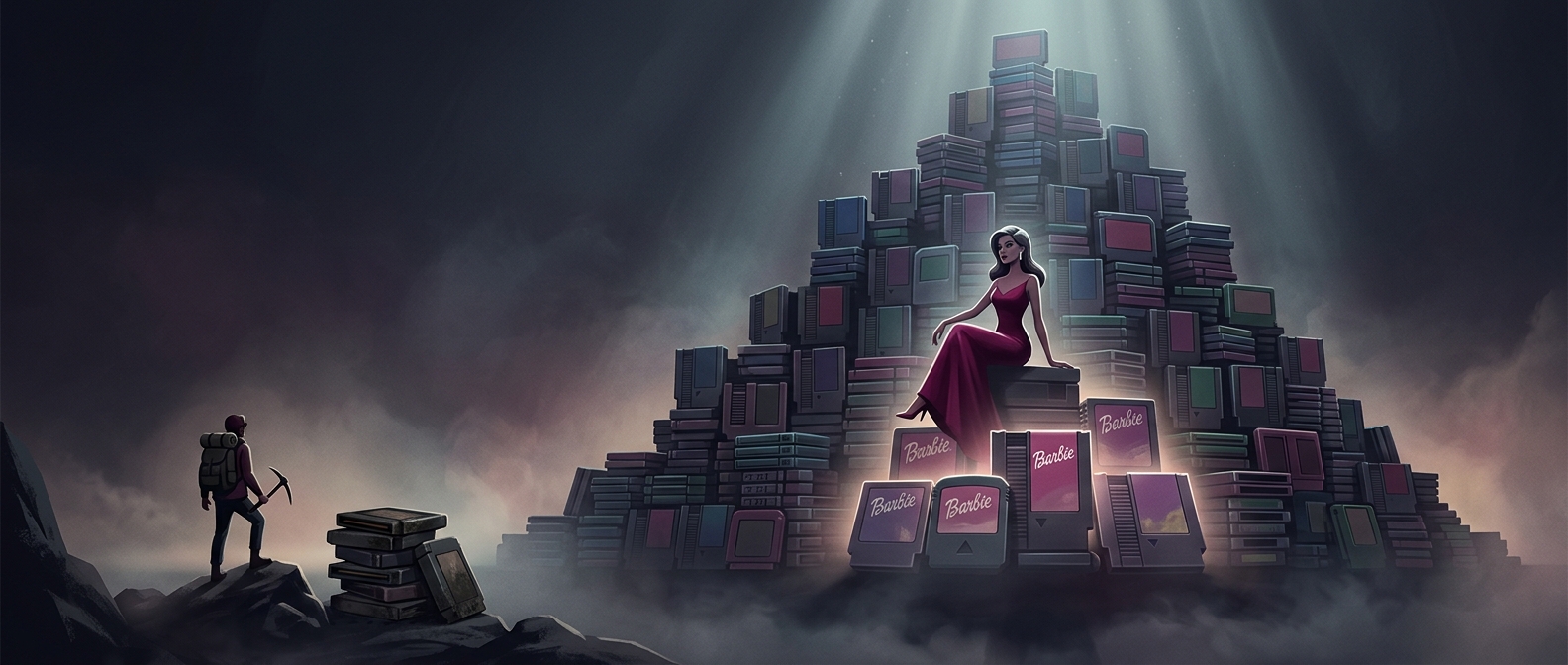
Barbie’s long run in games is less a single franchise than a series of experiments in what a familiar character can do. Some titles put her in activities associated with the doll—choosing clothes, styling looks, or caring for horses. Others make her an explorer, athlete, or secret agent. The recognizable character provides continuity, while each game can offer a different kind of play.
That flexibility matters for licensed games. A film hero usually arrives with a particular story and set of scenes to adapt. Barbie can move between settings and roles without requiring every game to continue the same plot. Developers can build around a new activity, and players can meet the character through the kind of game that interests them.
From dress-up to digital creation
The appeal was not limited to putting Barbie on screen. In Barbie Fashion Designer, players could create outfits on a computer and print designs to use with paper dolls. That made the game a bridge between digital play and the hands-on activity many players already associated with Barbie: dressing and styling.
Other games tested different formats, including racing, sports, adventure, and mystery. The variety shows how a licensed character can function as a flexible starting point for game design—not just as a face attached to one repeated formula.
A brand that could change genres
The tradeoff was that each new direction had to remain recognizable as Barbie while giving players a reason to play. A fashion game needed creative choices; an adventure needed places to explore and challenges to solve. The result is a catalog that can look surprisingly broad: Barbie’s digital identity was never confined to one activity, even when individual games focused on a very specific one.