The demo was a technical proof, not a Mario game
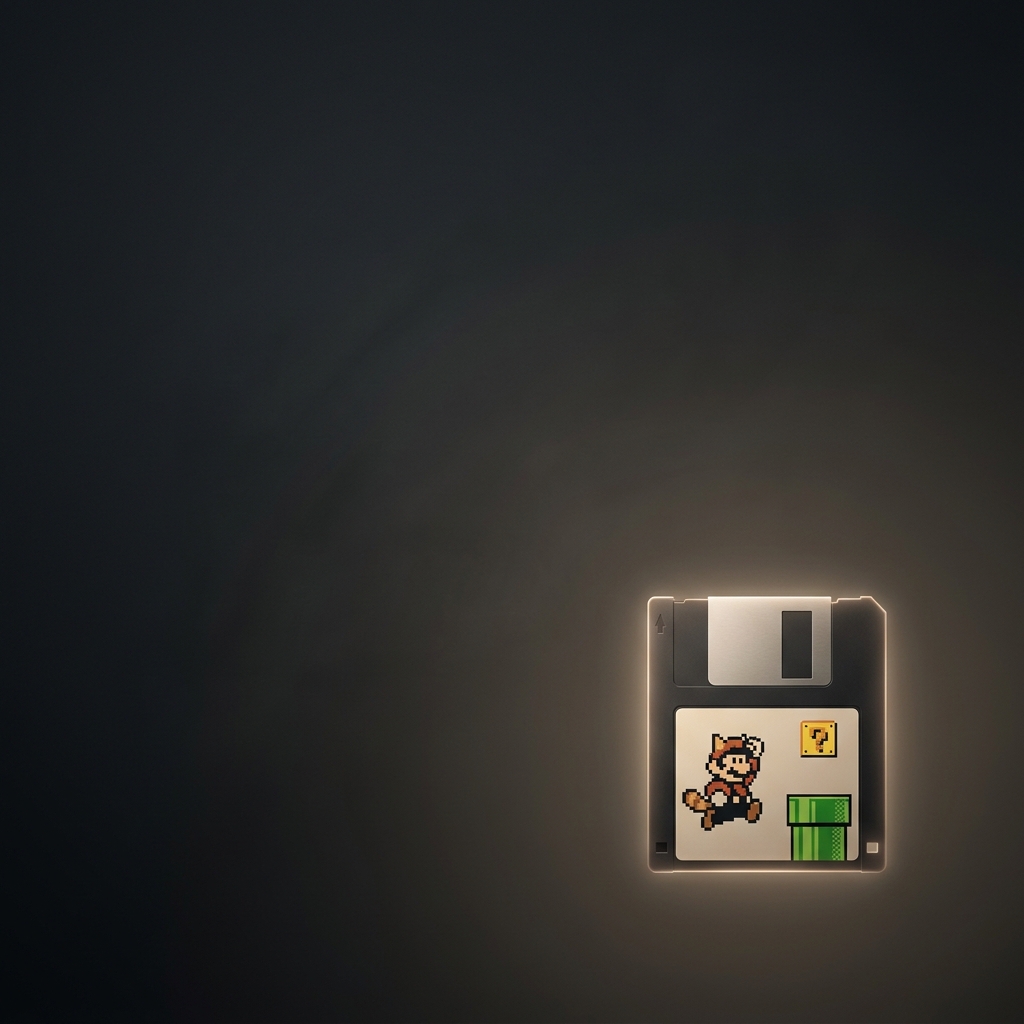
John Carmack did not make a new Super Mario Bros. 3 for Nintendo. He and his colleagues recreated a short stretch of the game as a demonstration that a DOS computer could deliver the kind of smooth side-scrolling associated with Nintendo’s consoles.
In a scrolling game, the world is larger than the screen, so the view must shift as the character moves. On many PCs of the era, that meant the computer had to redraw much of the display itself—a demanding job that could make movement look jerky. Carmack found a way to update the screen efficiently enough to imitate the fluid motion of a console game.
Nintendo’s answer pointed the team elsewhere
The demo showed that the PC could handle the effect. But Nintendo’s games were tied to its own hardware, and the company did not turn the demonstration into a license for Carmack’s team to make a Mario game. The technical accomplishment impressed; the proposed business path did not open.
That distinction mattered. The team had proved it could bring a console-style experience to DOS, but it needed a character and game it could control. Its next step was to build an original side-scrolling platformer rather than keep pursuing Nintendo’s approval.
The experiment became a new direction
That work led to Commander Keen, the PC platform game made by the team that became id Software. Its importance was not that Mario had arrived on DOS, but that Carmack’s scrolling technique made a fast-moving, console-like platform game practical on a personal computer.
The rejected pitch therefore redirected the technology instead of ending it: the same visual problem that had prompted a Mario recreation became the foundation for an original PC series.