Why Doom Can Be Rebuilt for Odd Devices
The joke works because Doom is not a modern 3D game squeezed unchanged into every gadget. Its original engine was designed for the modest computers of 1993, and its world uses clever shortcuts: levels are built from flat floors and ceilings, while walls are drawn at different heights to create the impression of depth. A technique called binary space partitioning divides a level into smaller regions so the computer can decide what is visible without calculating a fully three-dimensional scene.
That compact design leaves room for inventive adaptations. But a “Doom port” usually means someone has rewritten or adapted the game’s engine to work with a device’s processor, display, and controls—not that the original PC program magically runs on any chip.
The Port Is the Real Trick
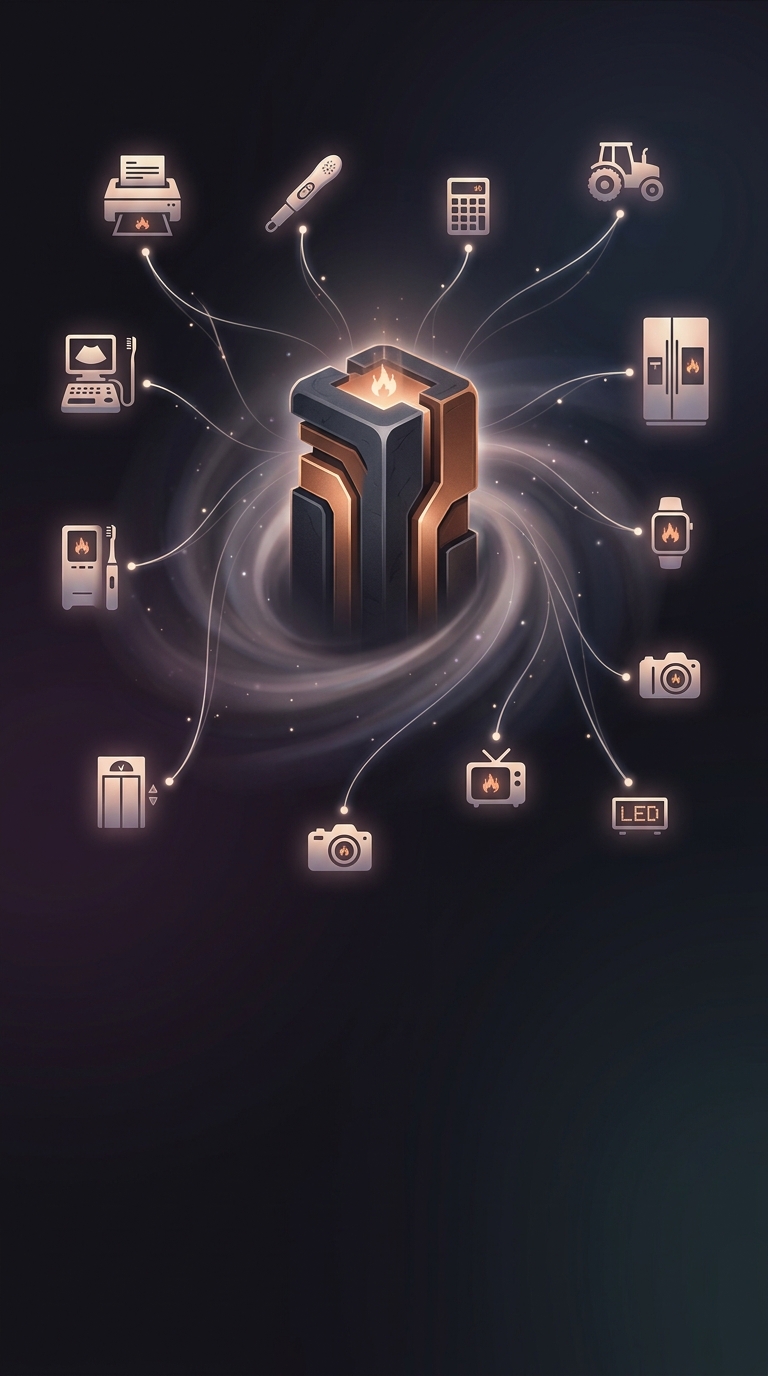
A screen and processor are only the starting point. The device must also be programmable, have enough memory to hold the engine and game data, and provide some way to move and shoot. On a printer or novelty gadget, a port may rely on a separate computer, custom hardware, or an improvised input method. The device’s ordinary purpose may have little to do with what actually runs the game.
The game’s source code became available to the public in the late 1990s, giving programmers a foundation to study and adapt. That helped turn portability into a technical playground: each new port tests how much of the familiar game can be preserved when the screen is tiny, the controls are awkward, or the hardware was never meant for play.
So the punchline is not that every electronic object is secretly a gaming PC. It is that Doom’s relatively lean design—and the determination of its porters—makes an unexpectedly wide range of devices a plausible place to try.