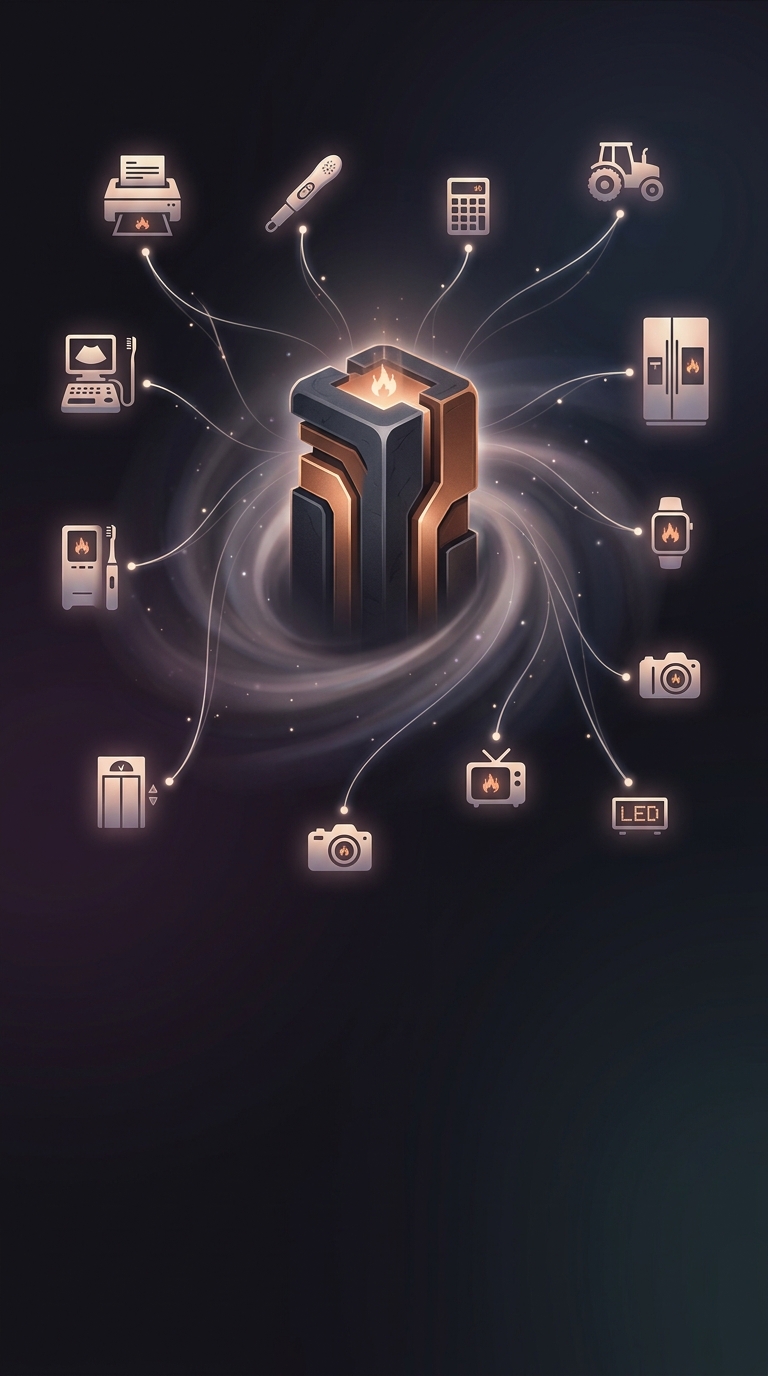
A pregnancy test is an unlikely display, not a tiny gaming console
The surprising part of “Doom on a pregnancy test” is the screen. A digital test is built to show a simple result, not a moving 3D scene. Its small monochrome display has far fewer pixels and shades than a typical monitor, so the game has to be squeezed into a stark, miniature picture.
That does not mean an untouched pharmacy test can suddenly run a game. The demonstration uses hardware work to connect Doom to the test’s tiny display; the familiar casing and screen make the result look more magical than the engineering is. The test’s normal electronics are designed for a narrow job: read a chemical signal and present a clear answer.
Why Doom can survive the squeeze
Doom is a useful target for this kind of experiment because its graphics can be simplified. The game draws a first-person view from a three-dimensional environment, but that view can be reduced to a small number of black-and-white pixels. At that scale, walls, corridors, and movement remain recognizable even when fine detail disappears.
The display also changes what “playing” looks like. Instead of expecting a smooth, richly colored image, the viewer reads a tiny flickering scene, where each coarse shape has to do more work. The feat is less about making a pregnancy test powerful and more about adapting a famous game to a screen never intended to show one.
The joke depends on the contrast
A pregnancy test is associated with a single consequential message; Doom is associated with frantic movement and monsters. Putting the game on that screen turns a technical constraint into the punchline. The device’s ordinary purpose makes the absurd display memorable. It is a reminder that a screen can be repurposed for far more than the interface its manufacturer designed—if someone is willing to rebuild the electronics around it.