A hit built for a different audience
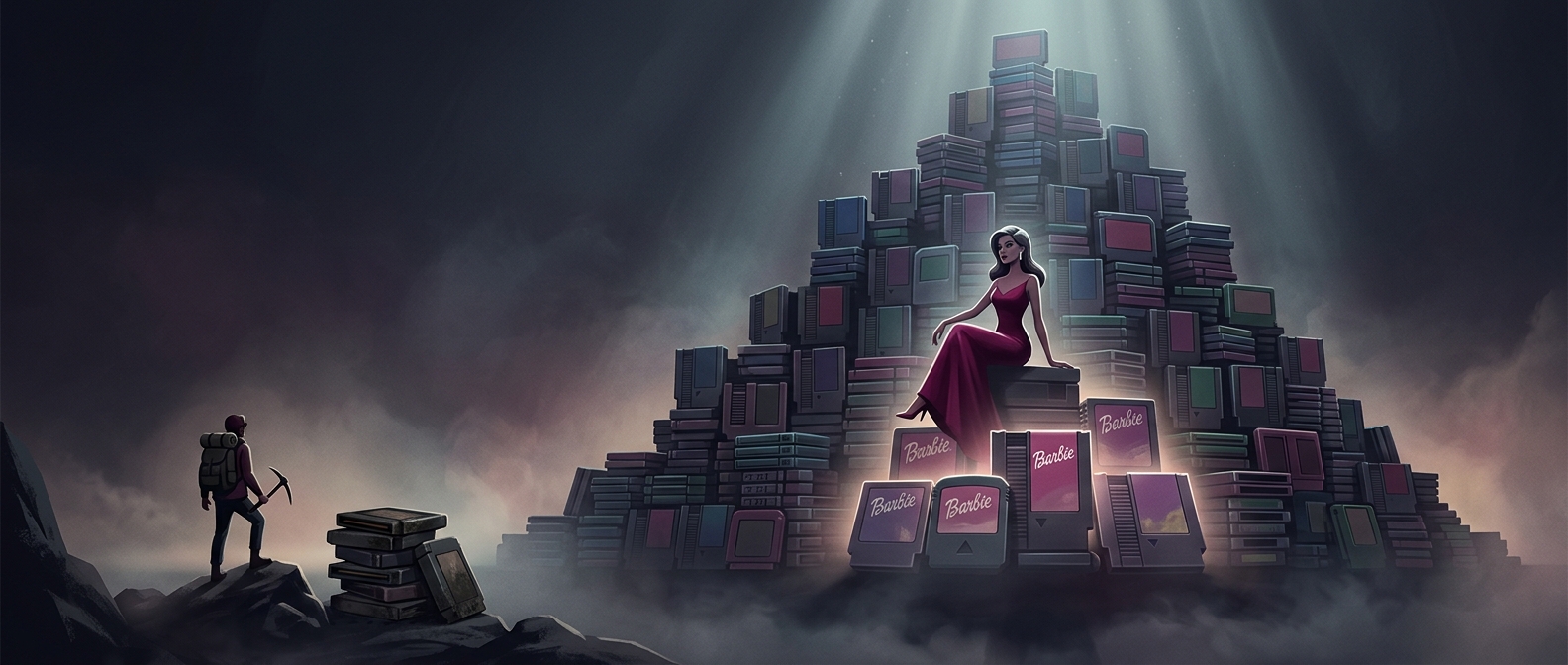
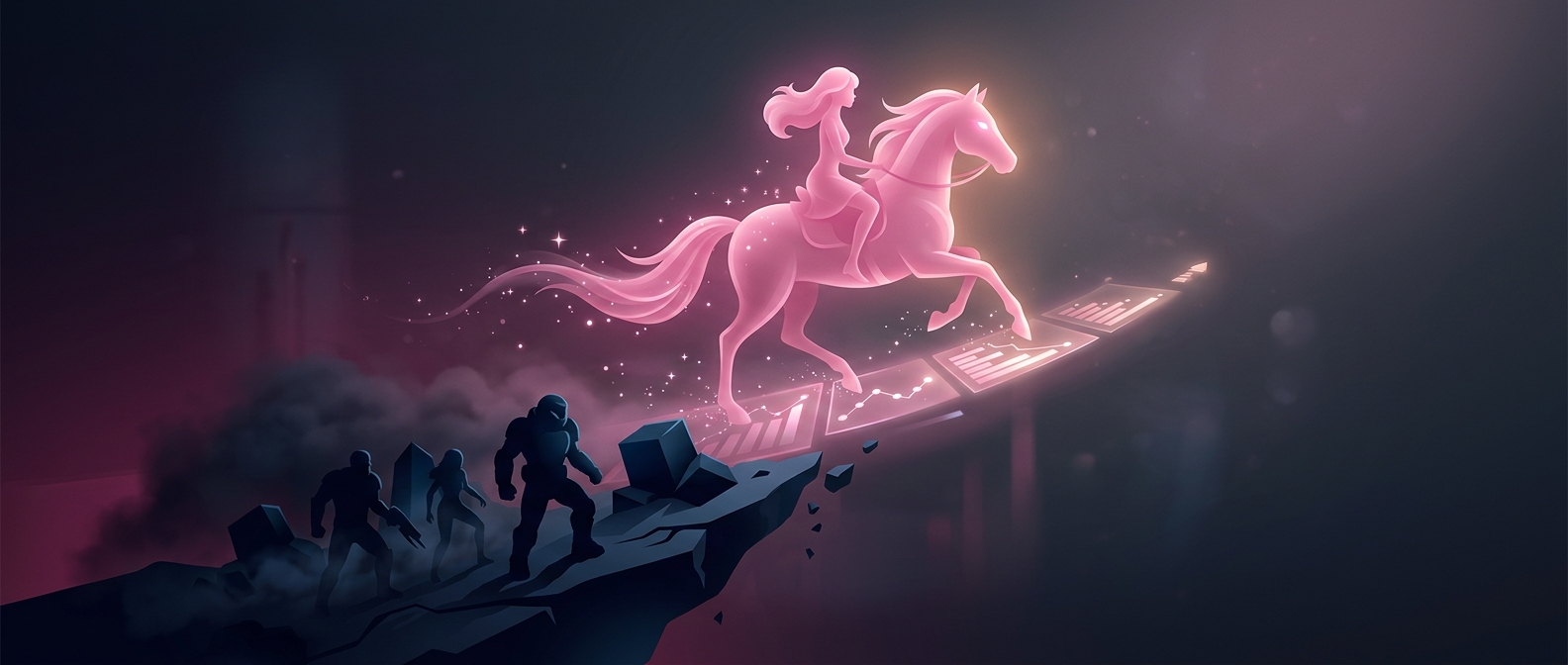
In 1998, Barbie Riding Club sold more than a million PC copies—a striking result beside better-known games of the same era. The comparison exposes a blind spot in how game success is often remembered: attention tends to follow the titles discussed by enthusiasts, while sales can come from audiences those conversations barely include.
Barbie was already a familiar name to children and parents. That recognition could make a Barbie-branded game easier to notice and understand than an unfamiliar title: the premise was clear before a buyer ever opened the box. For a family choosing a computer game, a trusted toy brand also offered a recognizable, gift-friendly option. These are advantages a new game must earn from scratch.
Success is not the same as cultural visibility
The million-copy figure does not mean Riding Club was more influential, critically admired, or technically ambitious than the games it outsold. It means commercial reach and gaming prestige are different measures. A title can sell widely through a strong brand and an audience beyond the usual enthusiast market, yet leave a smaller mark on the histories built around consoles, competition, and technological breakthroughs.
That gap matters because sales reveal who was actually buying games, not just which games became famous among players and critics. Barbie Riding Club’s performance is a reminder that a PC hit did not have to look like the era’s most celebrated games to find a million homes.