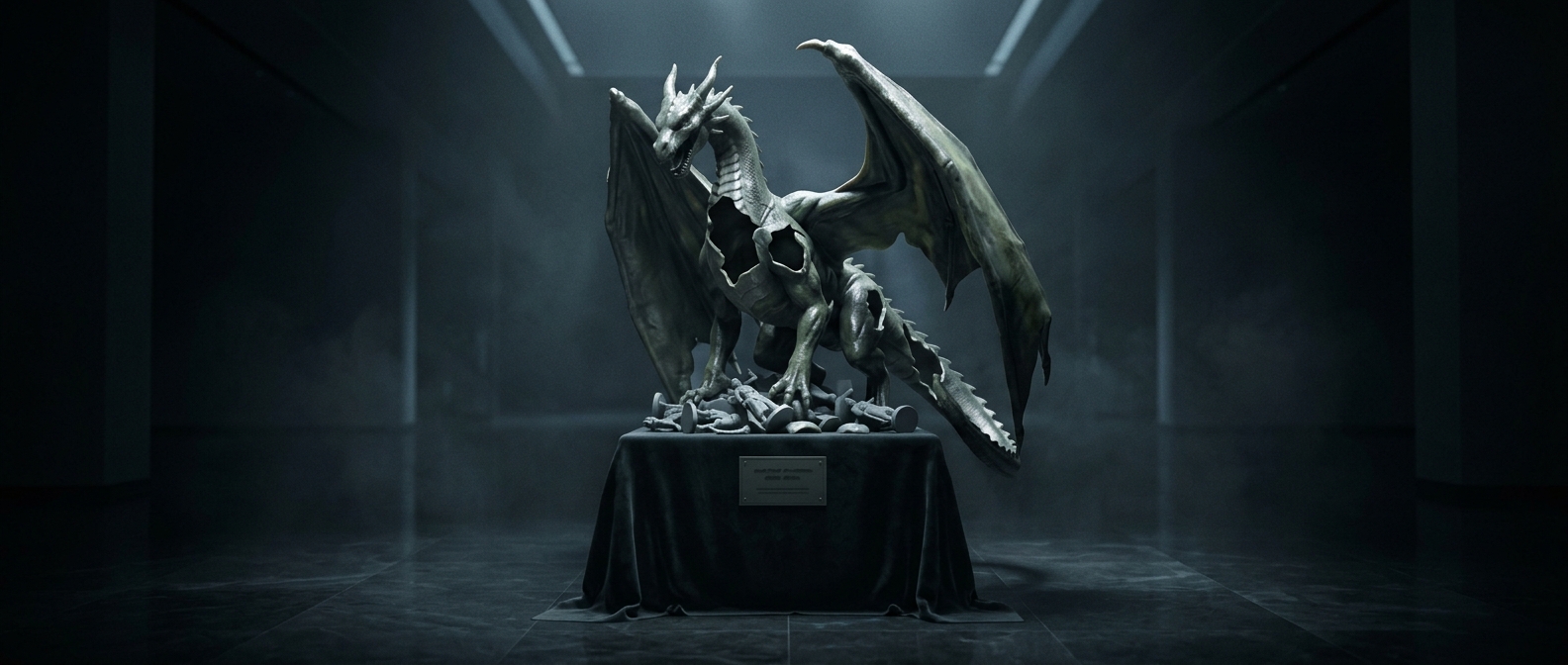
Why a Small Statue Can Carry a Collector’s Edition
A game statue is doing two jobs: it is a display object, and it is a visible reason to choose the more expensive box. Unlike a digital bonus, it gives the buyer something tangible to unwrap and put on a shelf. Its size and character design are easy to recognize in a store listing, so the figure can make an edition feel substantial before anyone has played the game.
That does not mean the statue costs anything close to the edition’s price to make. A figure produced in large quantities can use relatively inexpensive materials and simplified details. The mold—the shaped form used to make repeated copies—has to be created, but its cost can be spread across many units. Manufacturers may also limit fine sculpting, hand-painted detail, or sturdier materials to keep production manageable.
The Tradeoff Behind the Display Piece
Making a collectible figure that looks convincing up close takes more than copying a character’s outline. Small features must survive manufacturing, paint must be applied consistently, and the finished piece has to be packed and shipped without breaking. Improving those details can add labor, materials, and time. A publisher deciding what to include in a large edition has to balance those costs against other contents and the price buyers will accept.
The result can be an object that photographs well and signals exclusivity, yet feels light or rough when examined in person. That gap is part of the appeal—and the risk—of using a statue as the centerpiece: its perceived value comes from what it represents as much as from the materials in the box. For buyers, the useful question is not just how large the figure looks in a promotional image, but whether its finish and construction matter to them once it is on the shelf.