Selling a console game beyond the usual audience
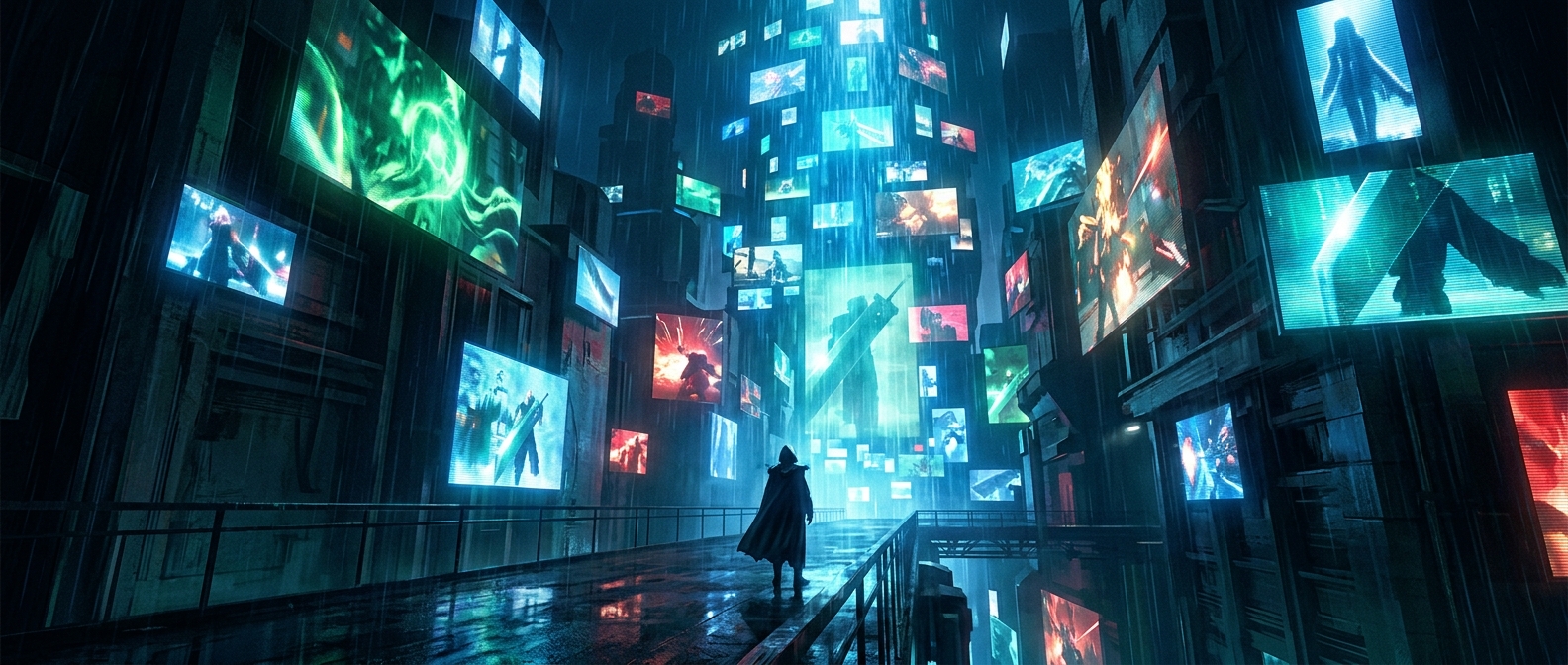
In the 1990s, a major television campaign was a way to make a console game feel like a mainstream entertainment event, not just a product for people already browsing game magazines or specialist shops. For Final Fantasy VII, its publisher put tens of millions of dollars into television and print advertising—far more than it spent coding the game itself.
That imbalance reflects two different kinds of work. Coding builds the playable experience; advertising tries to make millions of people notice it, understand what it is, and decide to buy it. A polished game could reach only the customers who heard about it. Broad-reach ads could put its name in front of people who might not otherwise follow video games.
The wager behind the spending
Television and print were costly, but they offered scale. The publisher was betting that a large audience would justify the expense: more awareness could mean more sales, while a high-profile campaign could make a release seem like a cultural moment rather than one more game on a shelf.
The consequence was a striking shift in where the resources went. The game’s commercial success depended not only on what developers made, but also on a much larger effort to persuade people to look for it. In this case, selling the game was the more expensive project.