Why a Game Ad on a Gravestone Got Attention
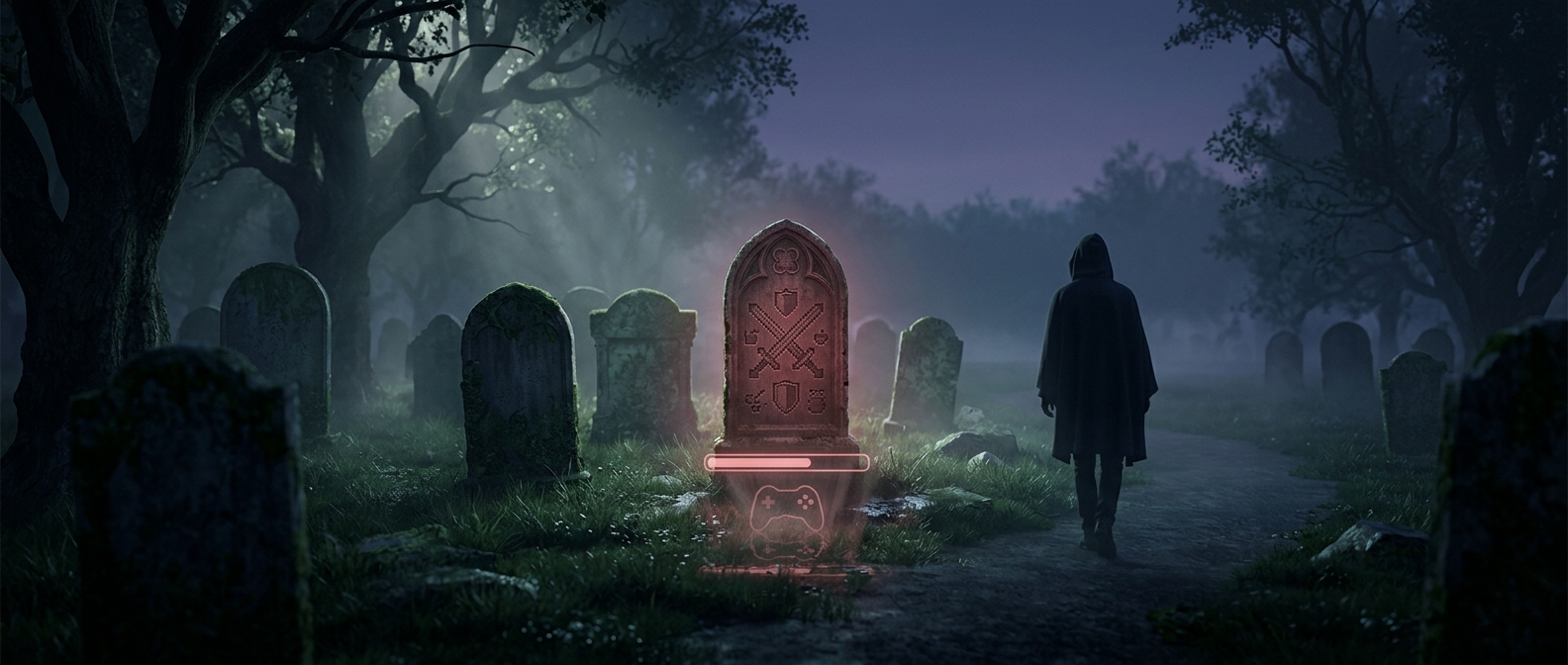
The stunt turned a place associated with private grief into advertising space. The publisher offered bereaved families payment for tiny ads promoting a supernatural game on relatives’ gravestones. That choice made the promotion hard to separate from the setting: a game about the supernatural would appear on a marker for someone who had died.
The small size of the ads did not make the idea emotionally small. A gravestone is meant to honor a person and endure, while an advertisement is meant to sell something. Putting the two together forced audiences to confront a clash between remembrance and promotion—and raised an obvious question: could a family’s permission make a deceased person’s marker an appropriate place for commercial messaging?
The Medium Was the Message
For a game publisher, the offer itself could attract attention beyond the people who saw a marker in person. The unusual premise was easy to retell, turning the proposed placement into a story about the game’s marketing as well as the game. Its supernatural theme gave the idea an extra jolt, but also made the gravestone feel less like an incidental surface and more like part of the pitch.
That publicity came with a cost: the same contrast that made the stunt memorable also made it seem in poor taste. The offer therefore exposed a basic limit of attention-grabbing marketing: a willing participant’s consent does not automatically settle how an advertisement will feel to everyone else who encounters it.