A billboard can be a replaceable layer
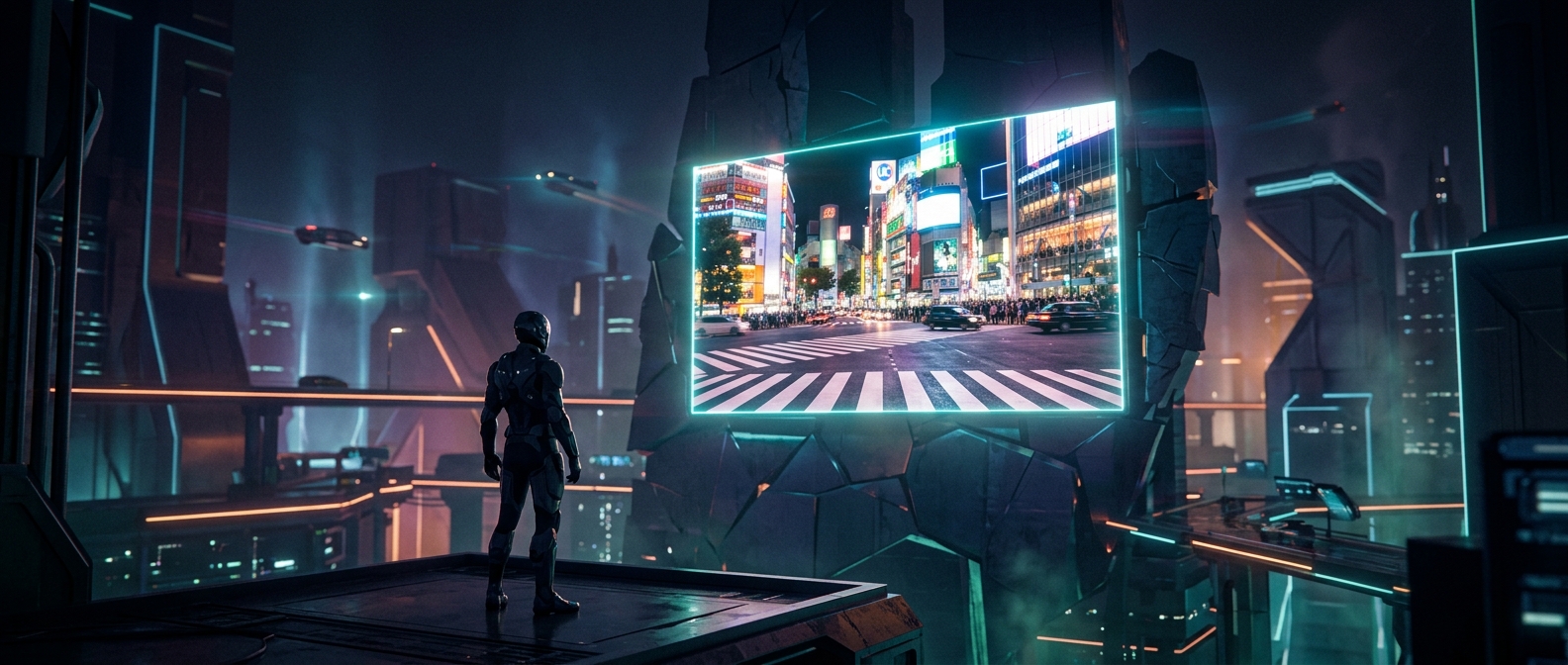
A game world is built from visual assets: the surfaces, textures, and lighting that make a street look lived-in. For some billboards, developers can keep the sign’s frame and position fixed while making its printed image a separate, replaceable texture. An advertising system can then choose which approved image to display, rather than requiring the publisher to rebuild the street or issue a new version of the game for every campaign.
The game still has to decide where these signs appear and how they behave. A surface needs to face the player, remain visible long enough to register, and fit the game’s visual style. The system may also need to show a suitable image when a connection is unavailable. The precise setup varies; not every sign in every game is a live ad slot.
The tradeoff is control versus immersion
To an advertiser, a virtual sign is valuable space inside an environment players revisit. To a designer, it is part of the scene’s visual language. A campaign can be swapped or scheduled without changing the surrounding world, but the new image may clash with the setting: a contemporary product on a period street can make the game feel less believable in an instant.
That tension makes these placements different from ordinary background decoration. The publisher can treat a billboard as both scenery and inventory, while players encounter it as part of the world they are trying to inhabit. The ad may change; the street around it stays put.