Why caffeine can feel like a focus switch
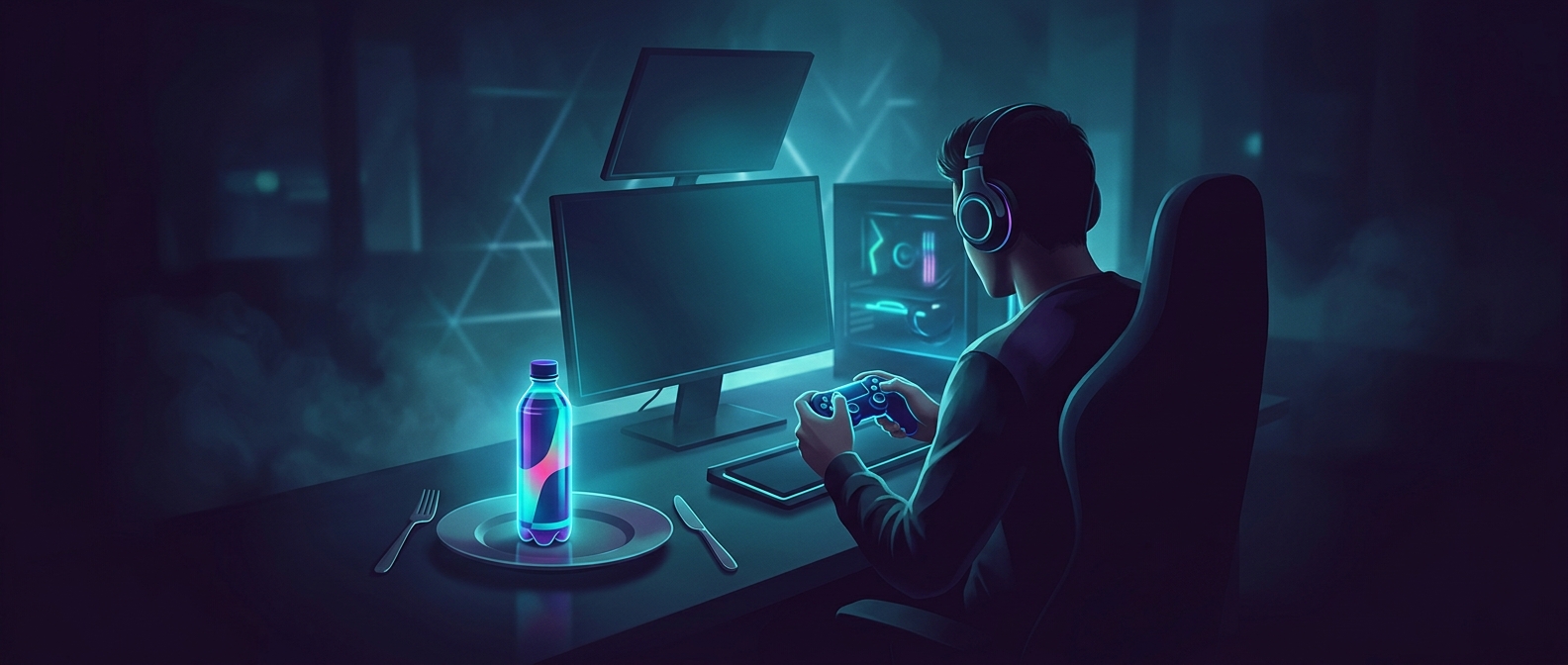
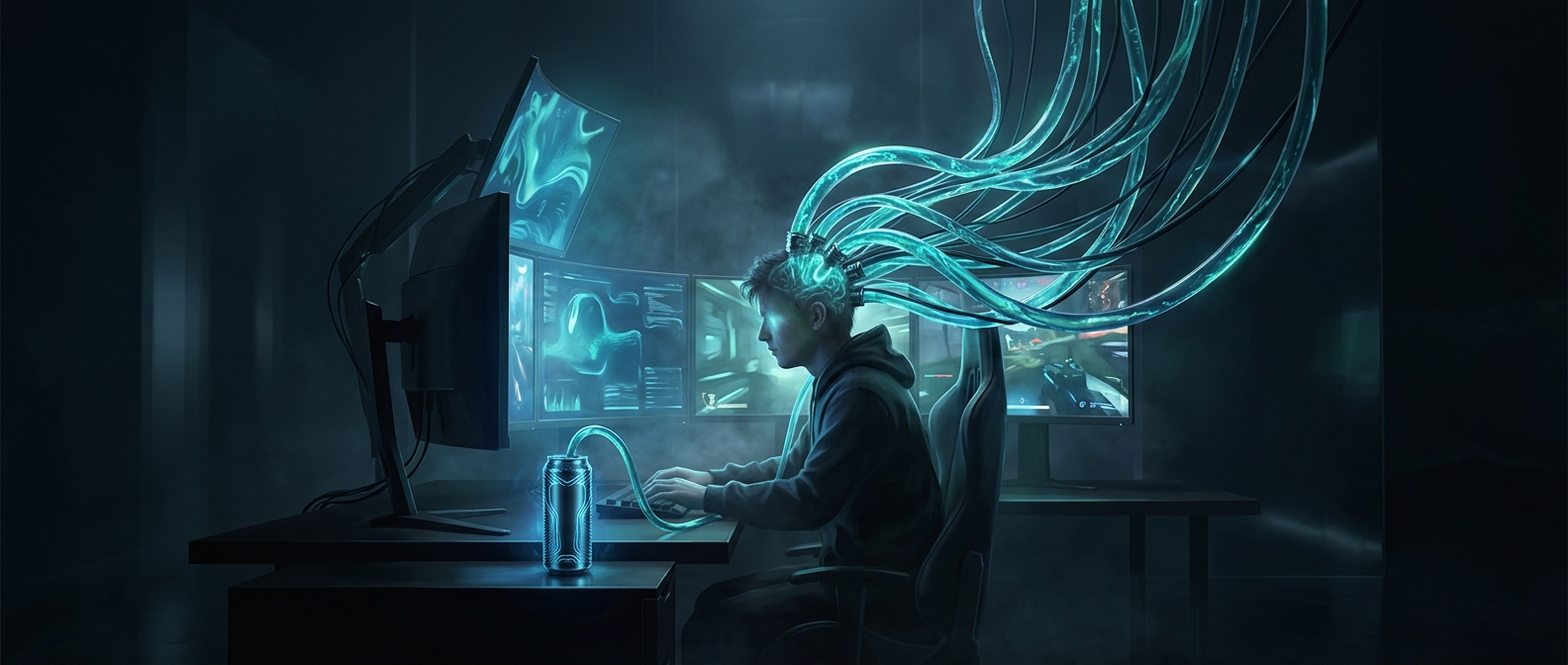
Caffeine blocks adenosine, a brain chemical that builds up during waking hours and contributes to sleepiness. That can make someone feel more alert for a while, which is why energy-drink marketing so often pairs cans with gaming, streaming, and long screen sessions. The appeal is straightforward: stay awake, keep playing, react quickly.
But feeling more awake is not the same as gaining sharper control. Caffeine’s effects vary with the person, the amount consumed, and how accustomed they are to it. When the dose is more than someone handles comfortably, the same stimulation can bring on restlessness, a racing feeling, or shaky hands.
The mismatch between alertness and control
A game may reward fast responses, but it also demands precise mouse movements, steady controller inputs, and decisions made without rushing. Jittery hands can make a tiny correction harder; feeling keyed up can make it harder to pause and choose carefully. In that setting, more stimulation is not automatically better performance.
That tension is built into the pitch: energy drinks promise help with the part of gaming that looks like speed, while the body’s response can interfere with the steadiness that speed depends on. A can may make a tired player feel more awake, but it cannot guarantee better play—and if it leaves the player shaky, the controls can feel less precise just when precision matters.