A Giant Screen Built for the Classroom
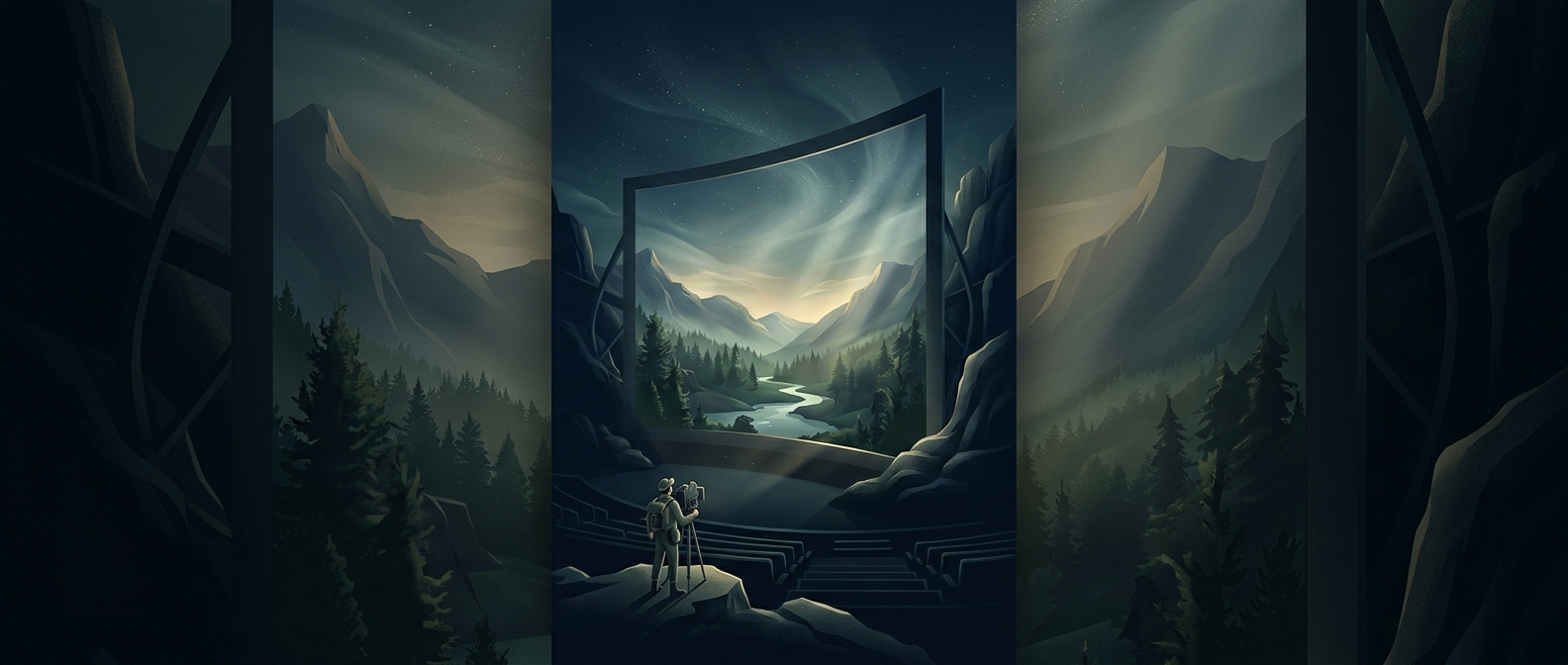
IMAX began as a way to make educational films feel less like watching a screen and more like looking into a scene. In science centers and museums, a towering image could bring distant landscapes, wildlife, and natural processes close to an audience gathered in one room. The goal was not simply to make a picture bigger; it was to make the scale of the subject easier to grasp.
Why the Format Felt Immersive
A conventional movie image can leave much of a viewer’s field of vision untouched. IMAX’s large screens filled more of that view, so a close-up of an animal or a sweep across a landscape could feel unusually immediate. That suited nature and educational films: viewers could inspect details while also sensing the vastness of a place or phenomenon.
The format also shaped how films were presented. A large screen makes flaws and visual limitations harder to hide, so footage and projection had to work together to keep the image clear and compelling. In a museum setting, that technical effort served a practical purpose: holding attention while teaching through images rather than relying only on words.
From Museum Screens to Movie Events
The same qualities that made IMAX useful for educational films later appealed to Hollywood. Studios began adapting feature films for IMAX screens, turning a format associated with museums and science centers into a premium way to experience blockbusters. The change was less a rejection of the original idea than an expansion of it: the screen designed to make the natural world feel enormous could make fictional worlds feel enormous, too.