A song is built before the scene
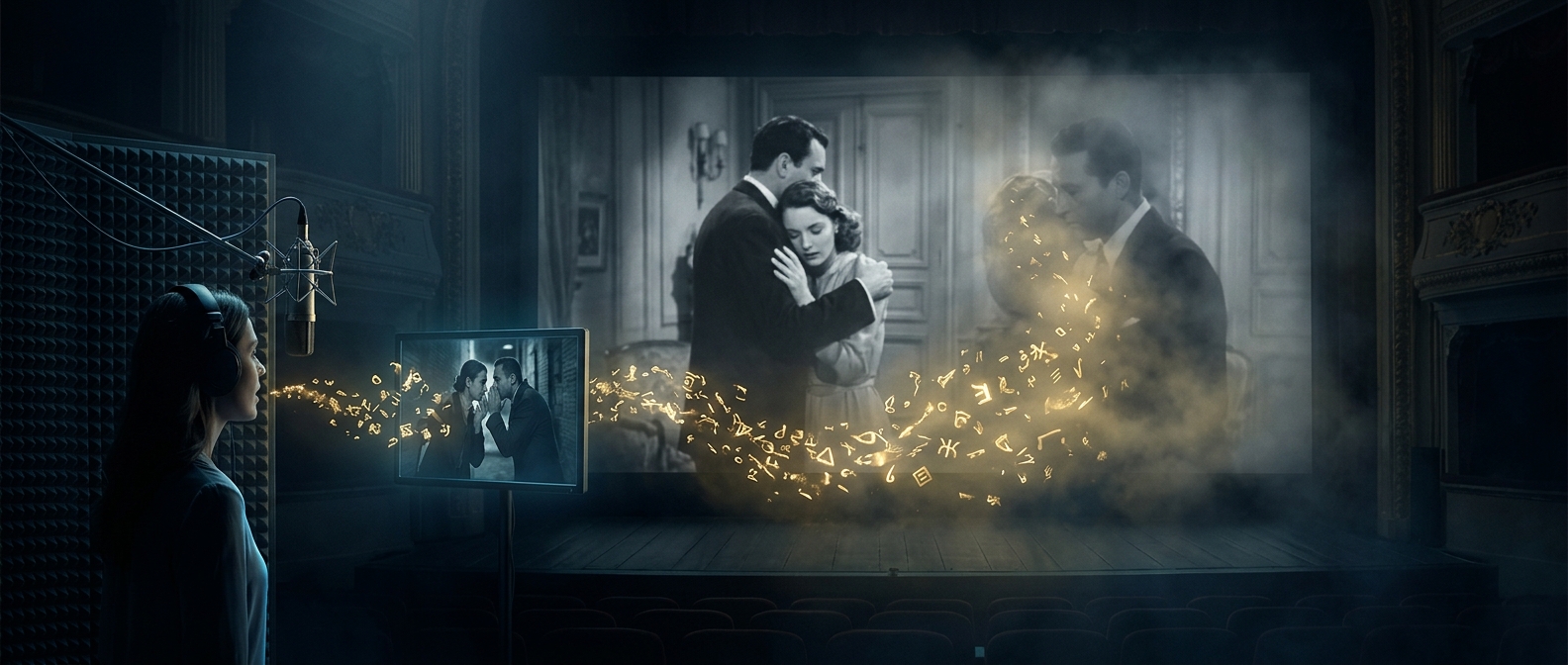
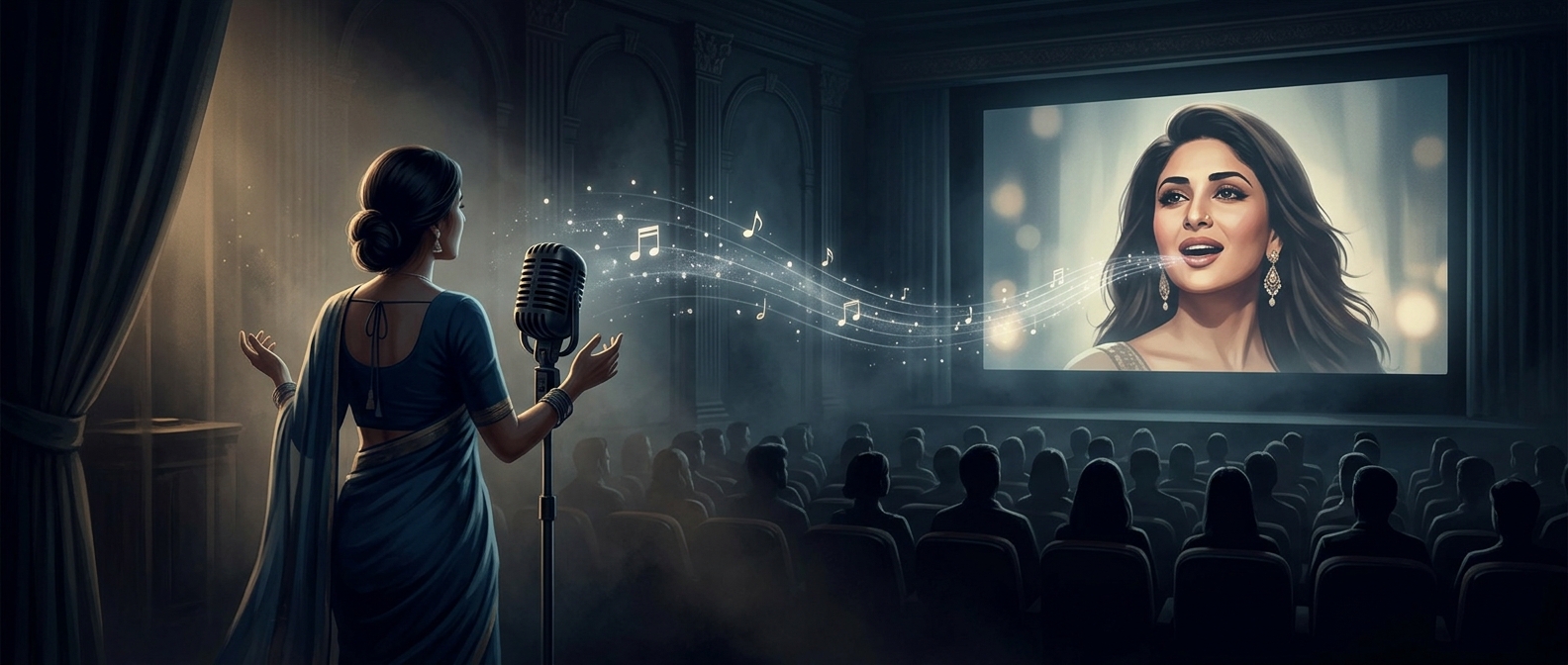
In a Bollywood musical number, the on-screen performance is usually the final layer of a process that began in a recording studio. Composers and lyricists shape the song, and playback singers record the vocals—often with musicians and, in many productions, other singers. The finished track is then played during filming. Actors perform to it, matching their expressions and mouth movements to the recorded words; editors can later synchronize the image and sound.
That separation gives filmmakers control. A singer can deliver a polished vocal without needing to act, while an actor can carry a song’s emotions on screen without being able to sing it. The same recording can also guide the camera, choreography, and timing of the scene.
Why the voice and face can part company
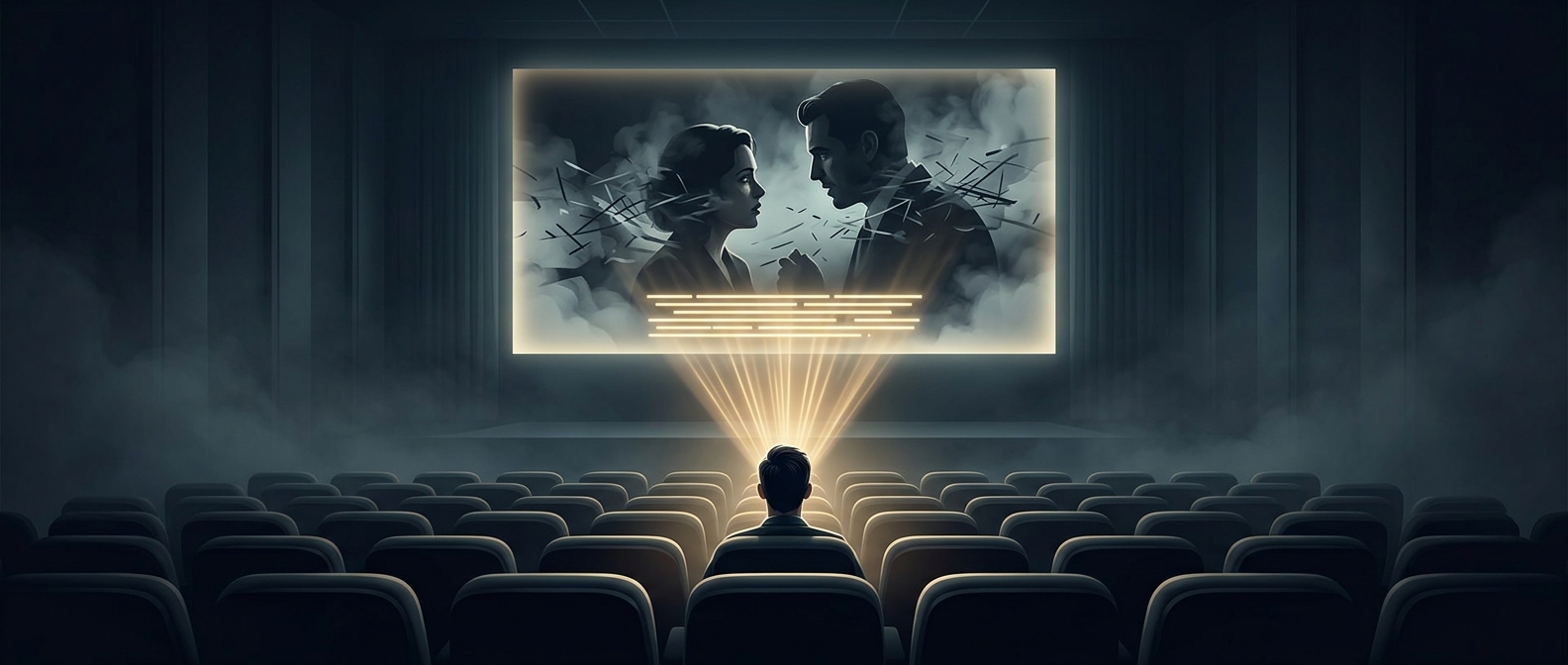
A film song reaches viewers as a combination: the actor’s face makes the performance visible, while the singer’s voice makes it audible. Promotion naturally tends to center the actor, whose character and appearance anchor the story. As a result, audiences may remember a song as belonging to the star they watched, even when another person supplied the voice.
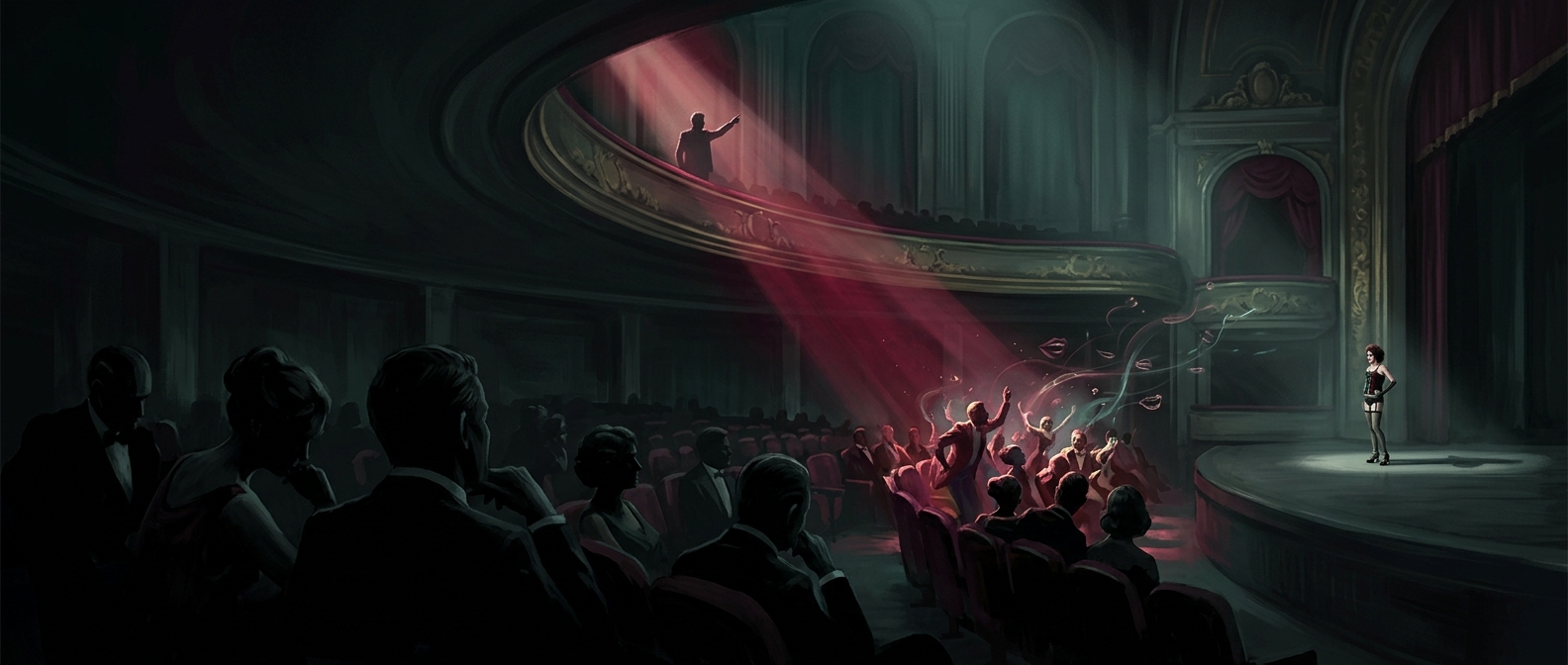
The singers were not necessarily unknown. A distinctive voice could become recognizable across many films, and playback singers could build devoted followings of their own. But their work was less visible in the scene that made the song memorable, and public attention often followed the screen persona.
One performance, two kinds of stardom
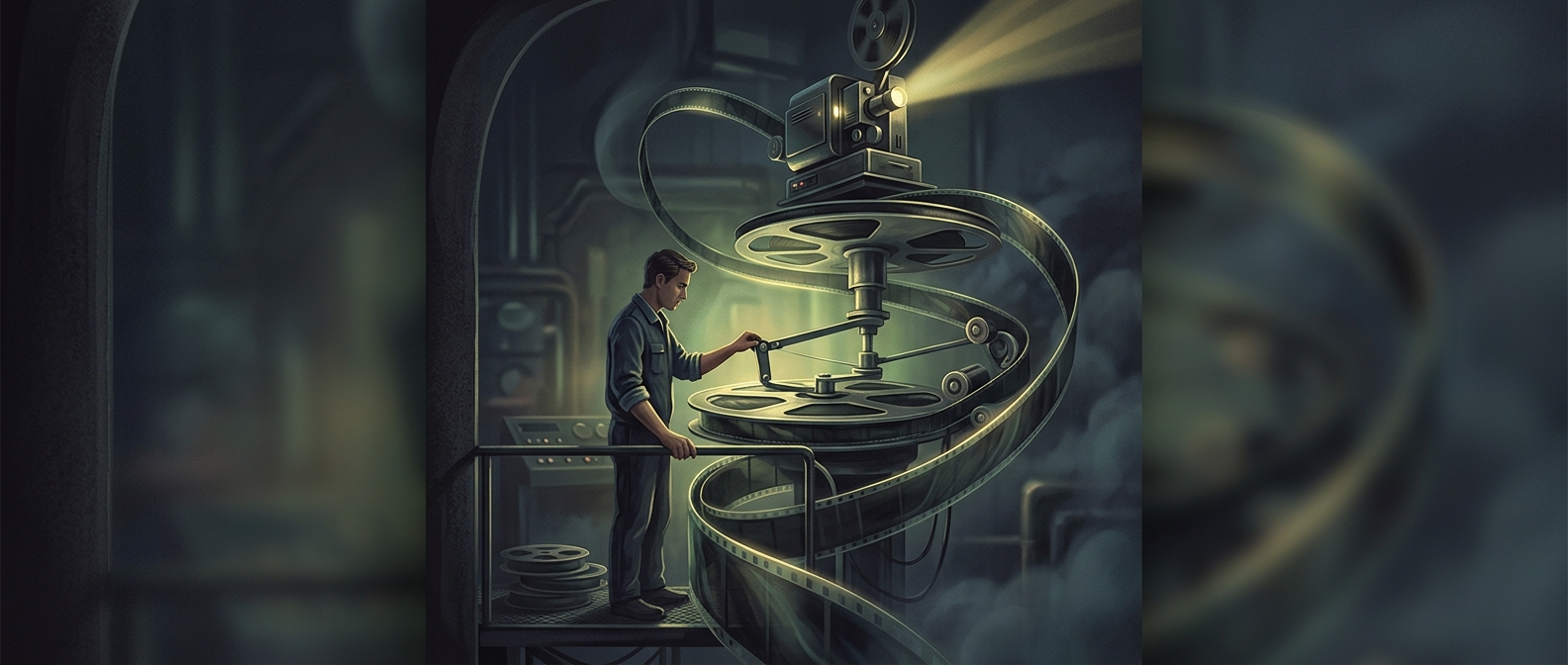
Playback singing is not simply a substitute for actors who cannot sing. It is a division of creative labor: one performer shapes the vocal interpretation, another embodies the character, and filmmakers join them into a single screen performance. The result is a familiar cinematic illusion—and a lasting mismatch between the person audiences see singing and the person they hear.