The Gear Changes That Keep Coming
In a drag race, a car accelerates over a short, straight course. Its engine can only work efficiently across a limited range of speeds, so the driver shifts up as the car gains speed. Each shift briefly changes the engine’s sound: the revs drop, then climb again as the car accelerates in the next gear.
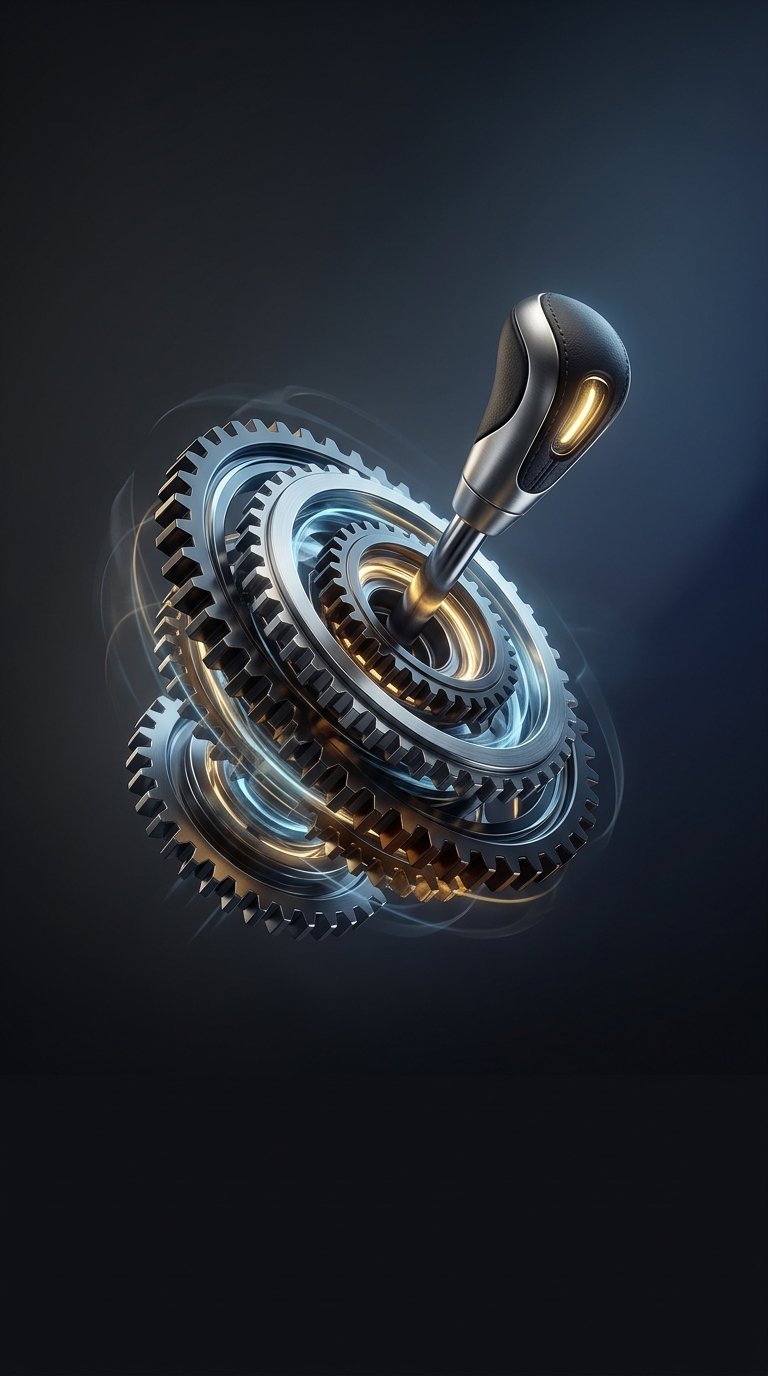
That audible pattern is one clue enthusiasts can follow in a movie scene. Combine it with visible cues—such as a driver moving the shifter—and a race that seems to contain an extraordinary number of changes starts to emerge. Counting those apparent shifts across Fast & Furious drag races led fans to the estimate of roughly 28 distinct gears.
A Sound of Speed, Not a Gearbox Blueprint
The estimate is a playful reading of what the films present, not a specification for a real car. A movie’s engine noise can be shaped in post-production, and a sequence may be assembled from multiple shots. The sound and image can sell the sensation of relentless acceleration without documenting one continuous, mechanically precise run.
That helps explain why the shifts matter on screen: each rev, drop, and renewed surge gives the audience another beat of speed and tension. Follow those beats literally, though, and the cinematic race appears to demand a gearbox with far more steps than an ordinary car could have. The joke is hidden in the performance: the more the cars seem to keep shifting, the more fantastical their machinery becomes.