The sequel’s starting line can erase the original’s finish
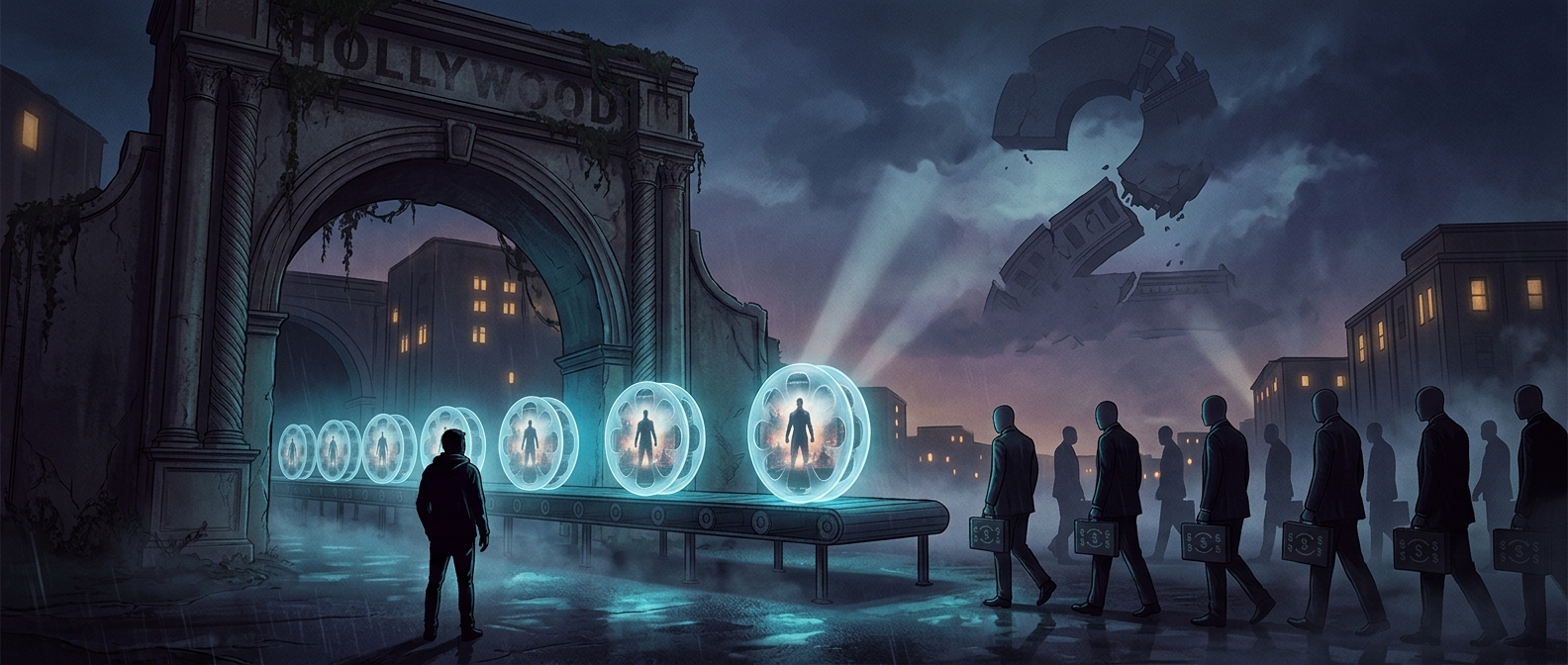
A satisfying ending changes what a character can plausibly do next. Someone who has learned to trust others, made peace with a loss, or finally escaped a destructive pattern has crossed a threshold. A sequel still needs conflict, though—and a continuing franchise may need its familiar lead, rival, or world to remain recognizable. That pressure can push writers to reopen the very problem the original resolved.
The reset may be literal: a new threat forces an old enemy back into the story, or a hard-won peace collapses before the next installment begins. It can also be emotional. A character who had become more generous may revert to suspicion because the plot needs them to make the same kinds of mistakes again. Either way, the sequel restores a useful source of drama by spending some of the original’s character development.
Why the reset can feel especially costly
Audiences do not experience an arc as a collection of plot points. They remember the effort behind the change: the risks a character took, the relationships repaired, and the consequences endured. If a sequel treats that progress as temporary without showing why it failed, the earlier story can seem less meaningful in retrospect. The problem is not simply that a character changes again; people can backslide. It is that the story may ask viewers to accept the backslide without earning it.
The same tension applies to a world’s ending. A victory that once felt decisive can become a brief pause if each new installment introduces a larger threat. Escalation keeps a series moving, but repeated reversals can teach viewers that no resolution will last.
Continuing without starting over
A sequel can preserve the original’s gains by making them part of the new conflict. A more trusting character might face a situation where trust carries real risk; a hard-won peace might require difficult compromises to defend. The old lesson then shapes the response, even when it does not guarantee success.
That approach lets a franchise create new trouble without pretending the earlier story never changed anything. For longtime viewers, the difference is tangible: the character can struggle again, but they do not have to become the person they already fought to stop being.