Familiar stories make uncertainty easier to price
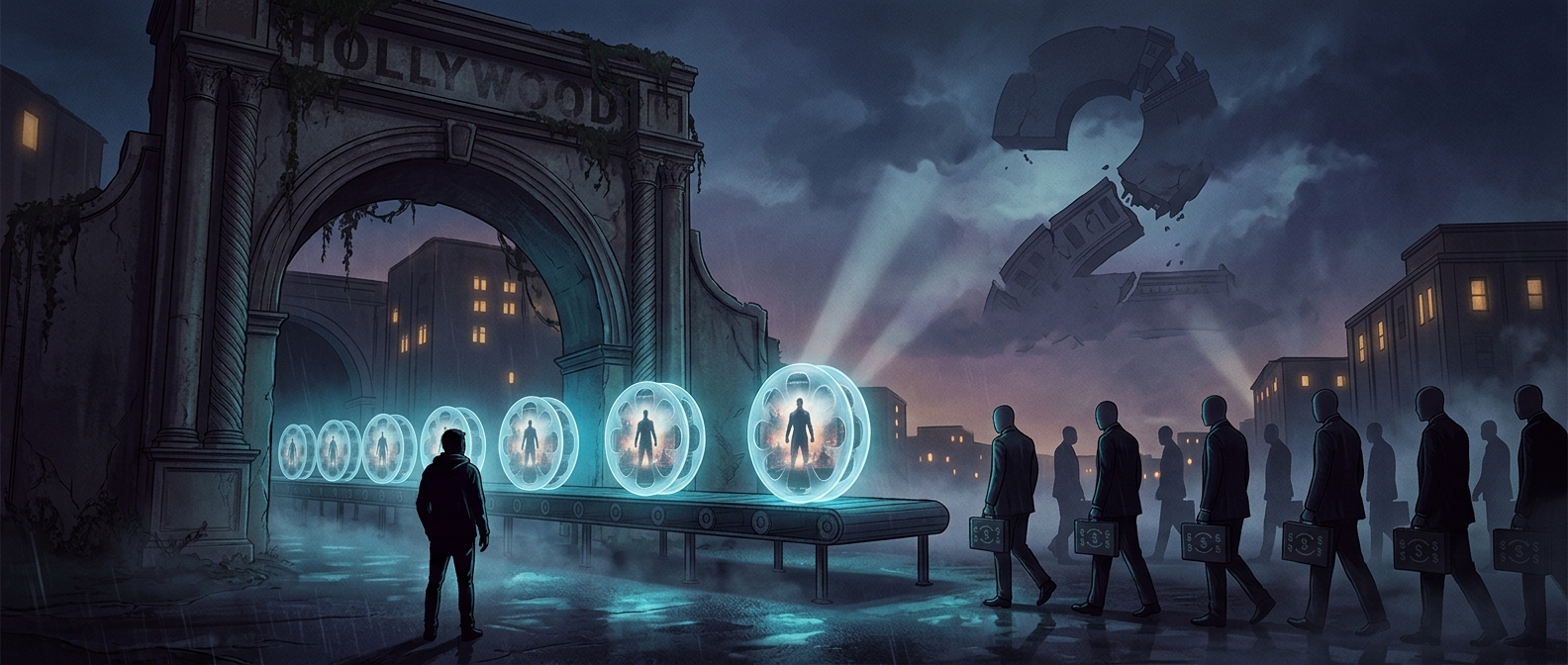
A studio deciding what to finance is weighing more than whether a story sounds appealing. It must commit money well before it knows how audiences will respond. With a sequel, decision-makers can examine the earlier film’s performance, the size of its audience, and whether people seem interested in seeing those characters or that world again. Those clues do not guarantee another hit, but they give the project a track record that an unfamiliar story cannot offer.
The familiarity can also help a film reach viewers. A known title and returning characters are easy to explain in a trailer or poster, and viewers may already have a reason to pay attention. That can make it simpler to plan promotion and estimate likely interest—important advantages when a film’s budget and marketing campaign must be set in advance.
The advantage comes with a creative constraint
A sequel is not automatically cheap or safe. It still has to persuade people to buy a ticket, and a disappointing follow-up can weaken interest in the series. It also has a harder storytelling task: repeat too much, and the film feels stale; change too much, and it may lose what fans came for. Studios are balancing the value of recognition against the risk of audience fatigue.
That calculation shapes which stories get made. A new idea may offer greater creative freedom and the chance to become a lasting series, but its audience is harder to estimate. A sequel starts with more evidence and a built-in point of recognition. Hollywood keeps returning to familiar worlds not because success is assured, but because some of the uncertainty can be measured before production begins.