A mystery with three answers
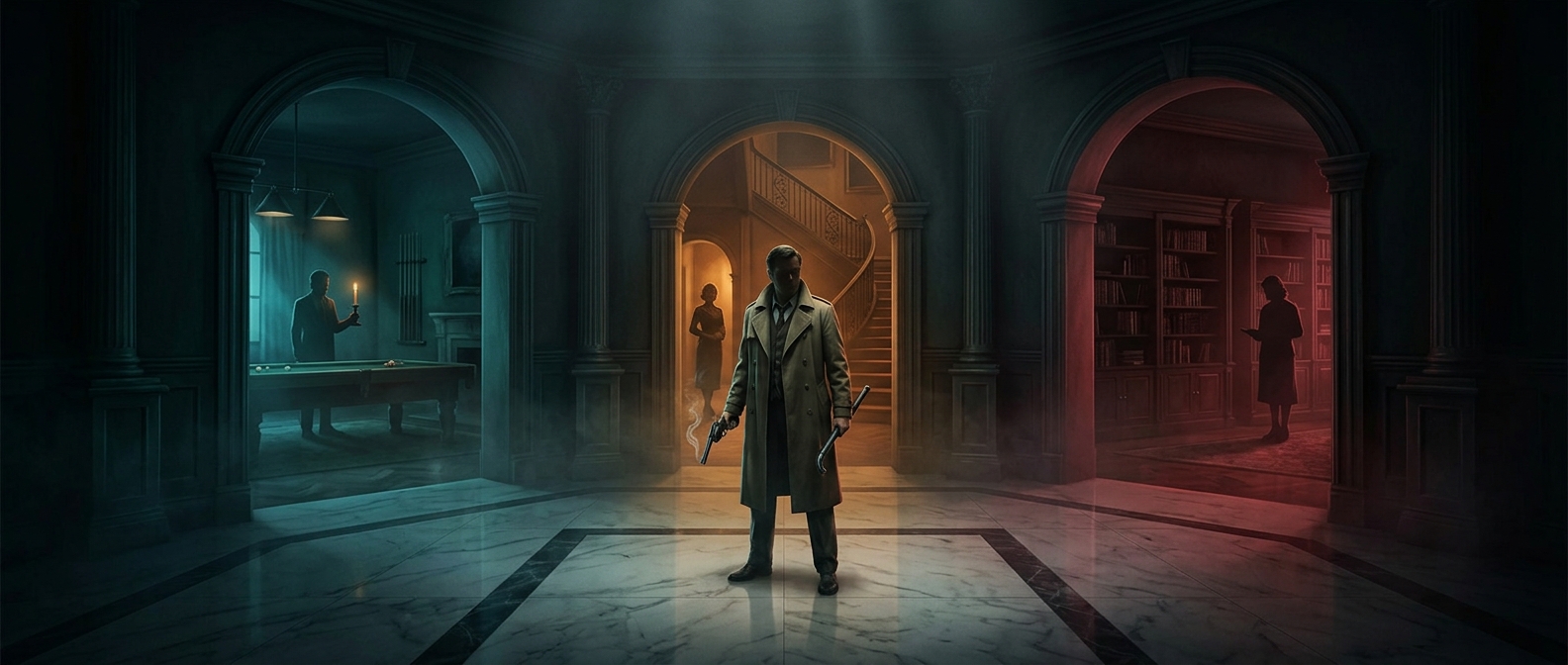
Clue turned its central puzzle into a theatrical gamble: different theaters received reels with different endings, so a moviegoer’s location determined which culprit the film revealed. The audience did not choose among suspects or solve a puzzle differently; each screening simply delivered one of three versions of the final explanation.
That choice suited a story adapted from a board game built around discovering who committed a murder. A single definitive culprit would have closed the mystery in the usual way. Multiple endings instead made uncertainty part of the movie itself—but kept the theatrical audience from seeing the whole experiment in one visit.
The novelty had a tradeoff
The arrangement could prompt conversation, but it also made the film harder to discuss as a shared experience. Two people might leave the same movie with different explanations, while someone who had seen one ending could not know what the other versions contained. The gimmick drew attention, yet it did not guarantee that attention would translate into ticket sales; the film struggled at the box office.
Home video gave the idea a longer life. On VHS, viewers could encounter all three endings rather than relying on whichever version a theater had received. The format turned a one-time variation between screenings into something audiences could compare, helping the movie find a cult following. Its three answers became less a barrier to talking about Clue than the very thing fans could debate.