What the cold reaches—and what it does not
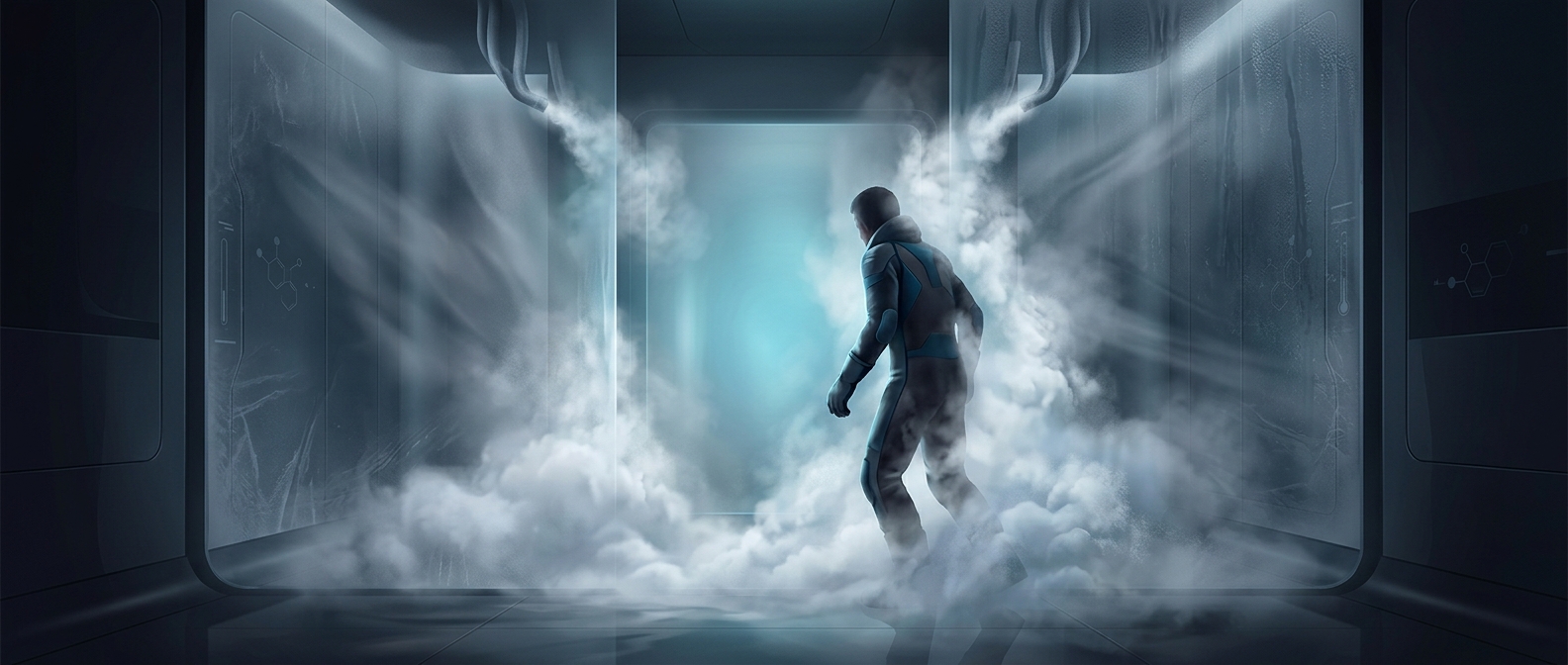
Liquid nitrogen is so cold that it boils rapidly when released into a chamber, producing a very cold gas around the person inside. The exposure chills the skin and the tissues close to it; a short session does not freeze the body’s core. The body’s deeper temperature is buffered by blood circulation, insulation and the brief duration.
The sudden cold makes small blood vessels near the skin narrow, reducing blood flow there and triggering an intense cold sensation. Once the person leaves the chamber and warms up, those vessels widen again. These immediate responses explain why users may feel a temporary change in skin sensation or alertness, but they do not establish that the treatment repairs tissue or treats disease.
Why a short session still calls for care
The brief exposure limits how much heat the body can lose overall, but it does not make the procedure harmless. Skin can be injured by extreme cold, especially if exposed directly to the nitrogen gas or a very cold surface. The eyes and other uncovered areas are particularly vulnerable, so protective equipment and careful operating procedures matter.
Nitrogen also creates a separate danger: it can displace oxygen in the air. Inadequate ventilation or a leak could make breathing unsafe without an obvious warning, because nitrogen itself has no smell. The chamber’s design and safeguards therefore matter as much as the advertised session length.
A dramatic sensation is not proof of broad benefit
A striking, short-lived bodily response can make a treatment feel powerful. But claims that whole-body cryotherapy treats a wide range of health conditions require evidence beyond the fact that the skin gets very cold. The practical takeaway is that the chill is real, while broader medical benefits should not be assumed from the sensation alone.