Why chocolate syrup worked on camera
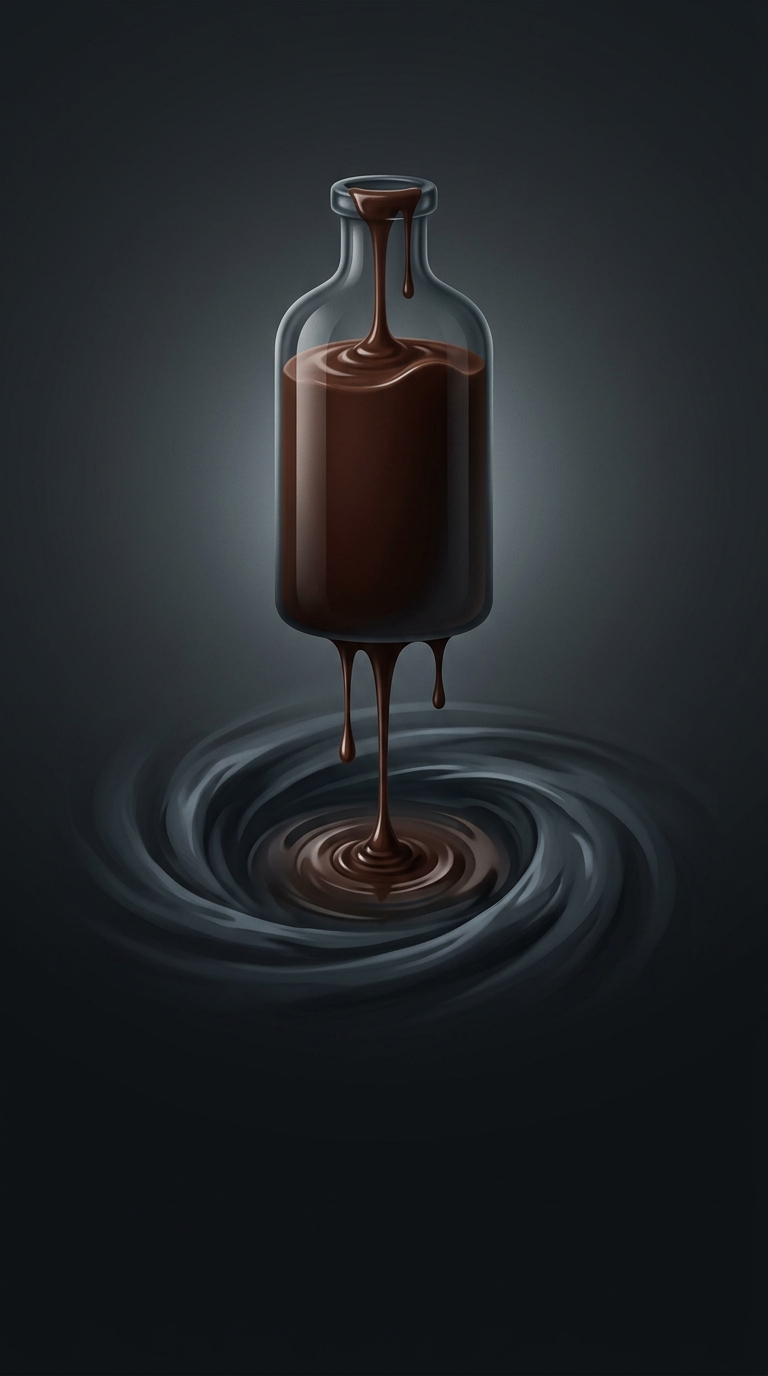
The shower scene in Psycho was filmed in black and white, so the challenge was not to make blood look realistic in color. It was to make it read clearly as blood on a small, contrast-limited movie screen. Bosco chocolate syrup supplied a thick, dark liquid that showed up better than the fake blood available to the production. Its texture also let it cling to the tub and swirl down the drain, giving the image visible movement.
A practical effect built for rapid cuts
The scene’s violence is conveyed largely through editing rather than a prolonged view of a wound. Hitchcock and editor George Tomasini assembled a rapid series of brief shots: the knife, the victim’s face and body, and the liquid moving across the bathroom. The cuts create the impression of a continuous attack while avoiding a clear, sustained view of the blade entering flesh.
That approach made the syrup useful in more than one way. Against the pale bathtub and tiled surroundings, its dark trail remained legible from shot to shot. The liquid could also be filmed as it ran toward the drain, turning a simple set detail into an unsettling visual endpoint.
What the audience filled in
Because viewers see fragments rather than an explicit depiction of the stabbing, they connect the images themselves. The soundtrack—especially the shrill strings accompanying the attack—intensifies that mental reconstruction. The syrup did not make the scene frightening on its own; it gave the camera a clear, controllable image that editing and sound could shape into a shock.
The result is a revealing piece of film craft: a pantry product, chosen for how it photographed, helped make a black-and-white image of violence unmistakable without showing the act directly.