A death can close a scene without closing a franchise
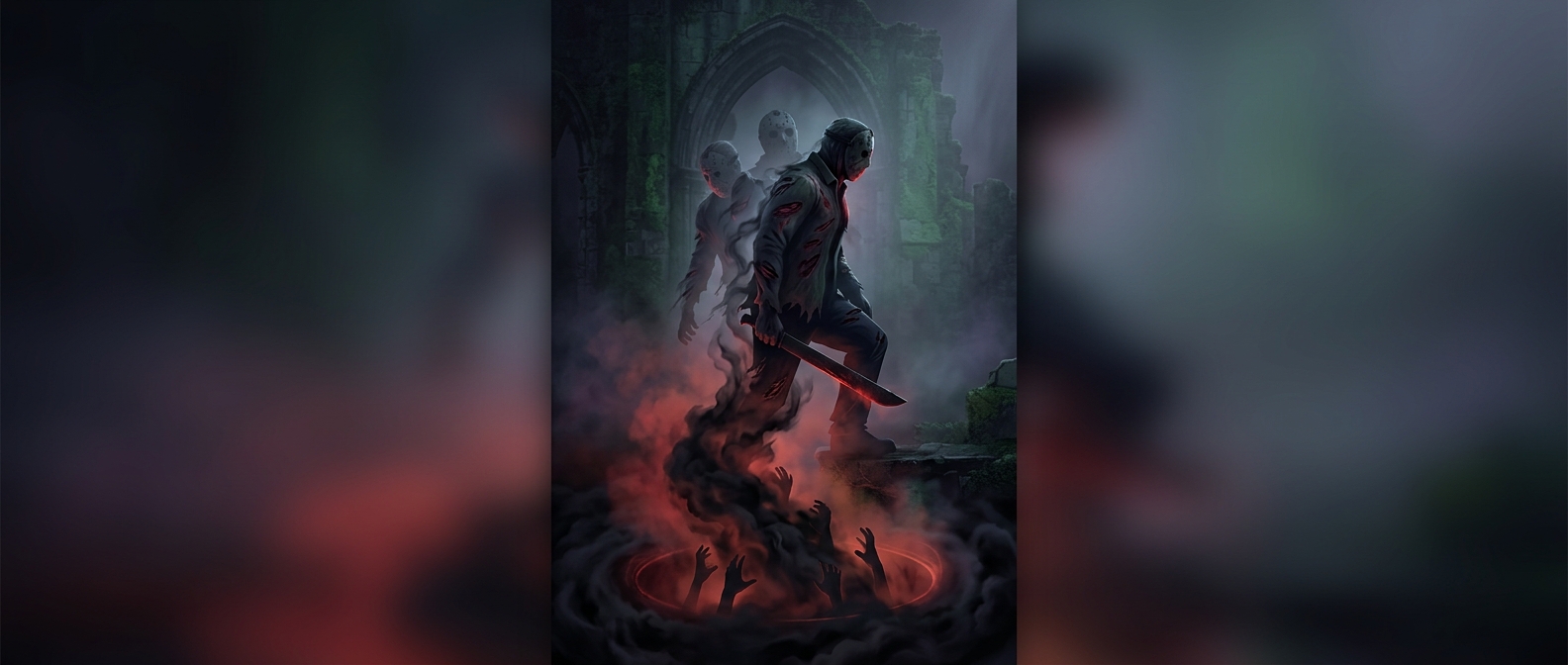
A horror villain’s apparent death often serves two purposes at once: it gives the current film a climax and leaves room for another story. Once a character becomes the series’ recognizable threat, bringing them back can be easier than replacing them. The audience already knows what to fear, and the next film can build its hook around the return.
That creates a storytelling problem. If survival has no cost or limits, the villain’s defeats stop feeling meaningful. Writers therefore give the return a mechanism—supernatural rules, a hidden escape, a mistaken identity, or a new person taking up the role. The explanation may be brief, but it lets the story treat the previous ending as real while reopening the conflict.
The return changes what a “defeat” means
In a one-off story, defeating the monster can resolve the danger. In a continuing series, a defeat may instead buy the characters time, expose a weakness, or change the conditions of the next encounter. A villain who can recover from injury may still be trapped, weakened, or dependent on some trigger to return. Those limits give the heroes something to discover and give each installment a different problem to solve.
Not every sequel needs the original villain to survive literally. A copycat, successor, or earlier chapter in the character’s history can preserve the series’ identity without undoing every detail of the last ending. The choice signals what the franchise values: one enduring monster, a repeating pattern of violence, or a fresh threat in familiar territory.
The most convincing comeback does more than restore a familiar face. It makes the previous victory matter—because the characters learned something, paid a cost, or changed how they face the danger next time.