The unease hiding below the soundtrack
The answer is infrasound: sound waves so low in frequency—below roughly 20 cycles per second—that most people cannot hear them as a clear note. At sufficient volume, very low sound may register instead as a rumble, vibration, or pressure. In a cinema, powerful subwoofers can make bass effects feel physical as well as audible.
Horror sound designers use low, sustained tones to make a scene feel ominous before anything visibly frightening happens. A faint drone can sit beneath dialogue or music, building tension without announcing itself as a conventional melody. A sudden bass impact can then make a startling image feel larger and closer.
Why it works as atmosphere
The effect is less like a secret fear switch than a way of shaping what a scene feels like. Low frequencies are associated with weight and scale: a deep rumble can suggest a huge presence, a distant threat, or something moving through the environment. Because the sound may be difficult to pick out consciously, it can color a scene without competing with what viewers see and hear clearly.
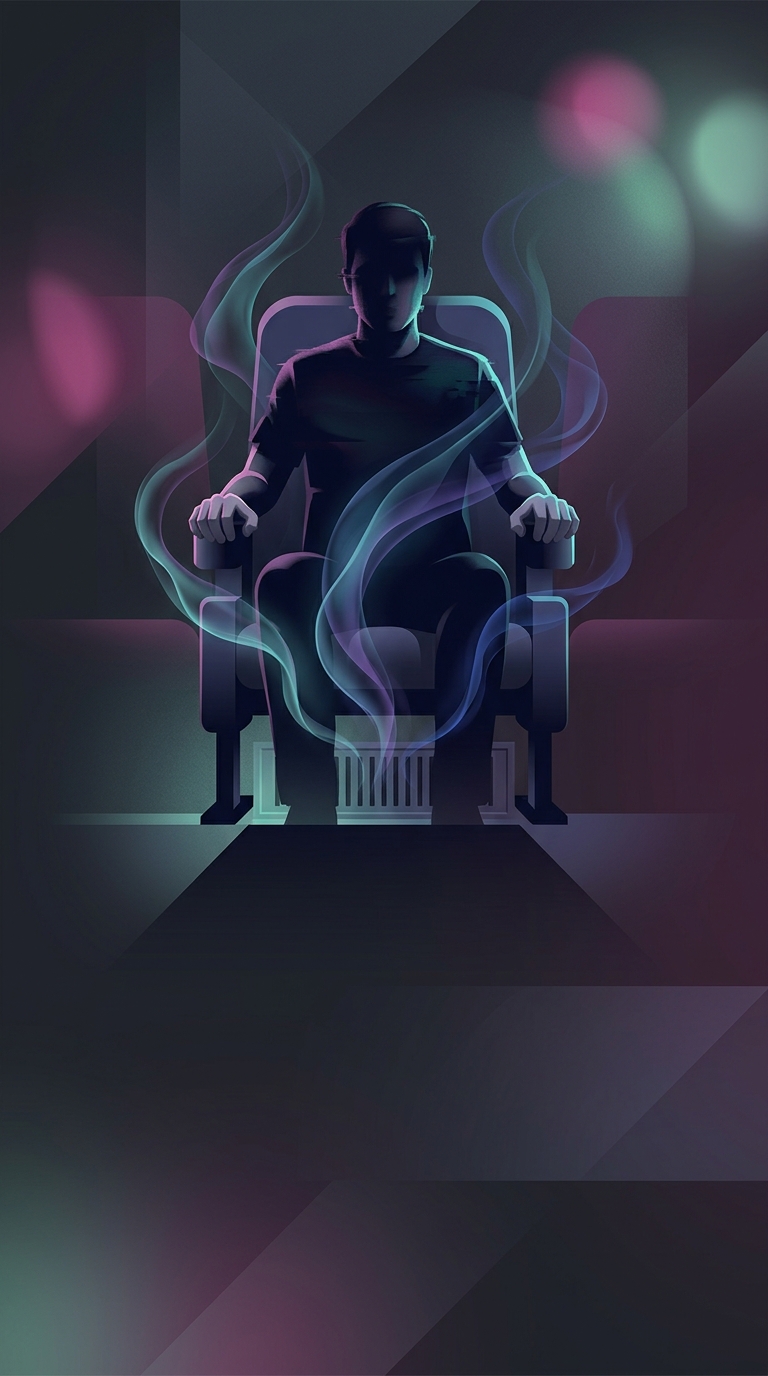
The theater matters, too. A subwoofer moves air to reproduce deep bass, so the audience may feel a sound in their seats or bodies. That physical sensation can make suspense more immersive—but the result depends on the sound mix, playback system, and volume. The unnerving part is that a scene can seem to press in on you before you can identify what, exactly, is making the room feel wrong.