Why a Tiny Lawn Detail Needed Visual Effects
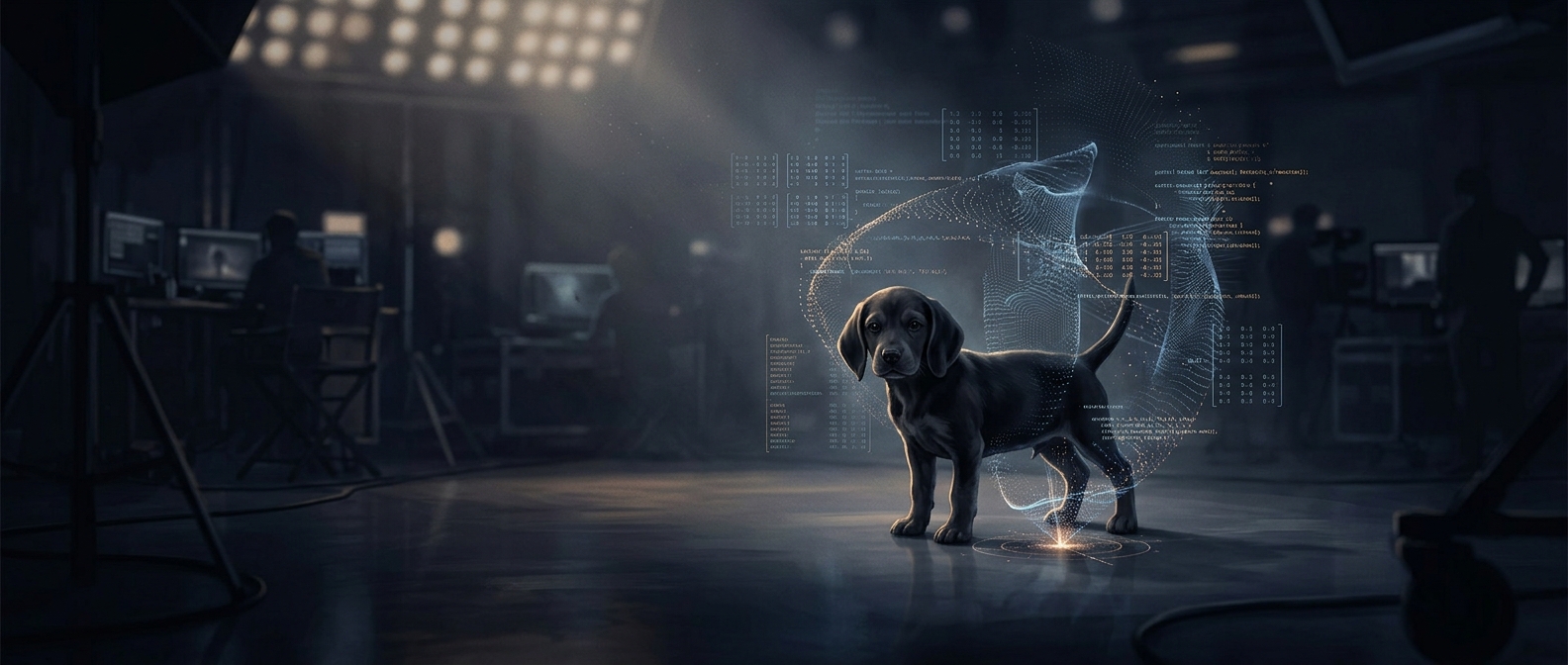
A puppy can be trained to respond to cues, but relieving itself is not a reliably timed performance. A film crew, meanwhile, needs a shot to fit a schedule and match the scene around it. Rather than wait for the beagle to do its business at the right moment, the filmmakers added the detail digitally after filming.
That kind of change is called visual-effects compositing: artists combine a computer-generated element with footage that was already shot. To make it look at home on the lawn, the digital addition has to sit convincingly in the image—matching the camera angle, the ground, and the scene’s lighting. Even a small object can stand out if its shadows or position feel wrong.
The Cost of Making a Small Detail Believable
The thousands of dollars were not simply a price tag for a digital pile. Postproduction work can involve preparing the image, creating the element, placing it into the shot, and refining the result so it does not distract from the action. A brief gag may therefore require more coordination than its screen time suggests.
The production tradeoff is practical: the crew could capture the scene when the puppy was ready, then add the unscriptable detail later. The finished moment looks spontaneous, but its least predictable part was made on a computer.