Why a cape is hard to control on set
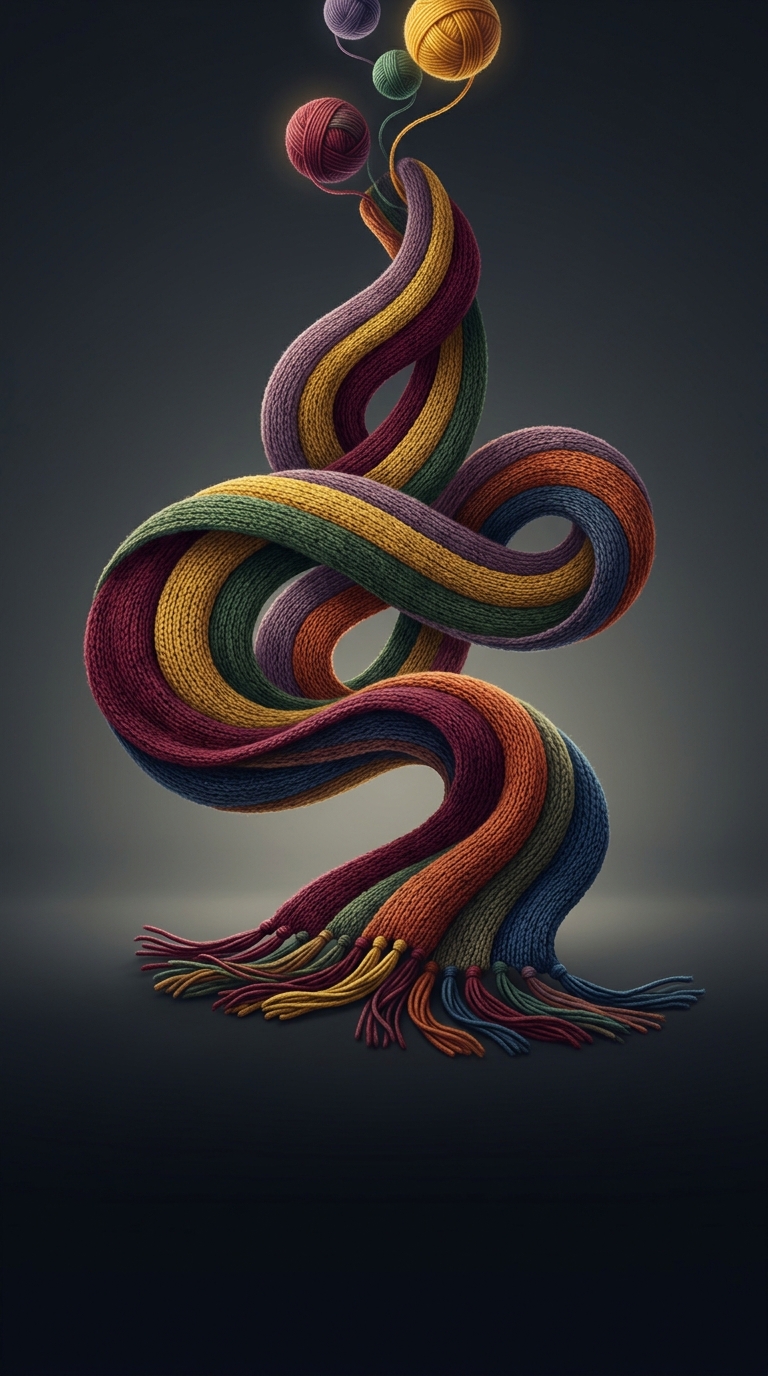
A cape looks simple when it hangs still. Once an actor moves, the cloth reacts to every turn, gust, and burst of air from a fan. It can wrap around an arm, hide a face, snag on a prop, or settle differently between takes. A stunt or camera move may also require the cape to behave in a way ordinary fabric would not.
That unpredictability creates a continuity problem: editors may need shots filmed hours or days apart to look as if the same cape is moving through one uninterrupted action. Costume crews can pin, reset, or alter real fabric, but each adjustment takes time—and a change that fixes one angle may spoil another.
What a digital cape gives the crew
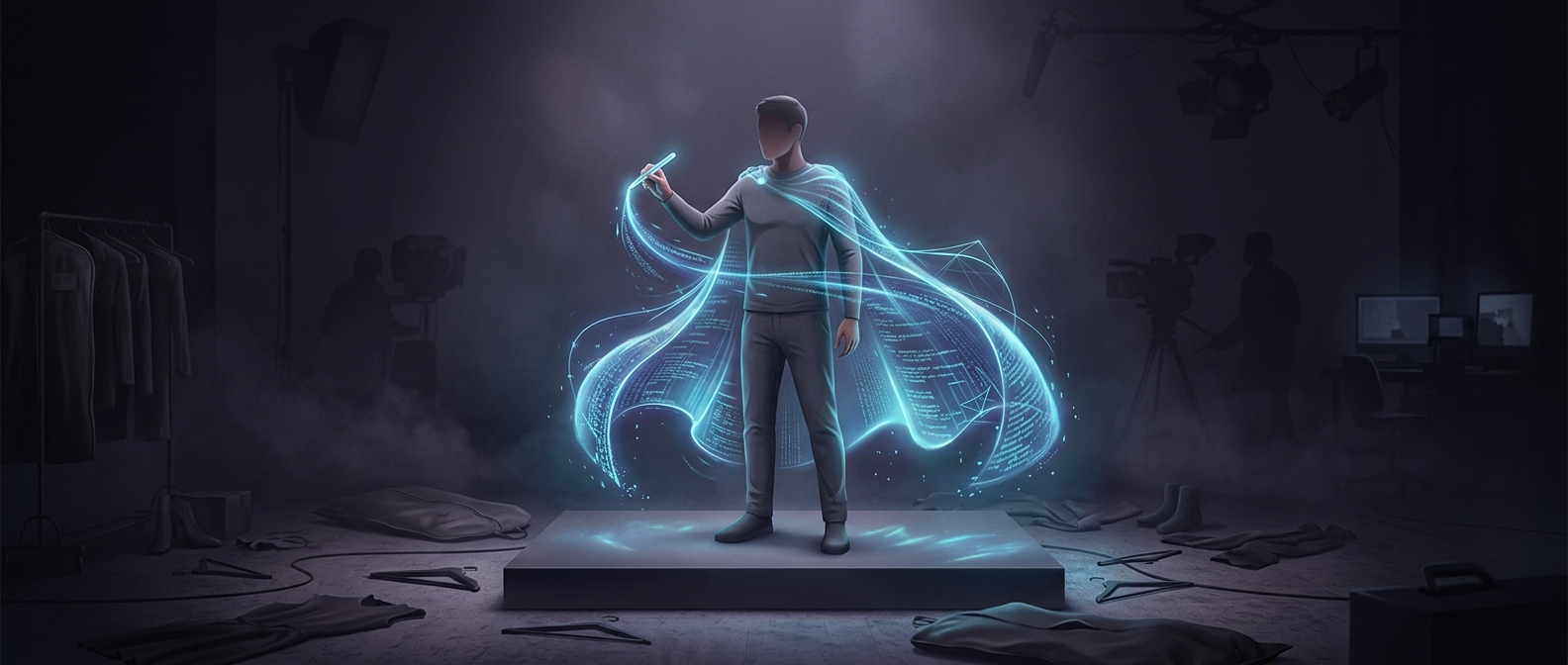
For a computer-generated cape, artists build a virtual version and simulate how its fabric would fold and swing. The simulation can respond to the actor’s movement and to virtual forces such as wind. Artists can then refine the result so the cape follows the intended action: lifting at the right moment, staying clear of the actor’s face, or holding a recognizable shape during a fast turn.
This is not simply a matter of making the cloth look dramatic. It has to appear attached to the body, cast and receive light like the scene around it, and move with believable weight. A cape that floats or passes through an arm can break the illusion even if its silhouette is striking.
The useful middle ground
A production can still use real fabric for reference, or for shots where its contact with the actor matters. Digital work is especially helpful when movement must be repeatable or precisely shaped. The point is control: artists can make the cape serve the shot without asking real cloth to behave identically every time.