A fur suit built from unlike materials
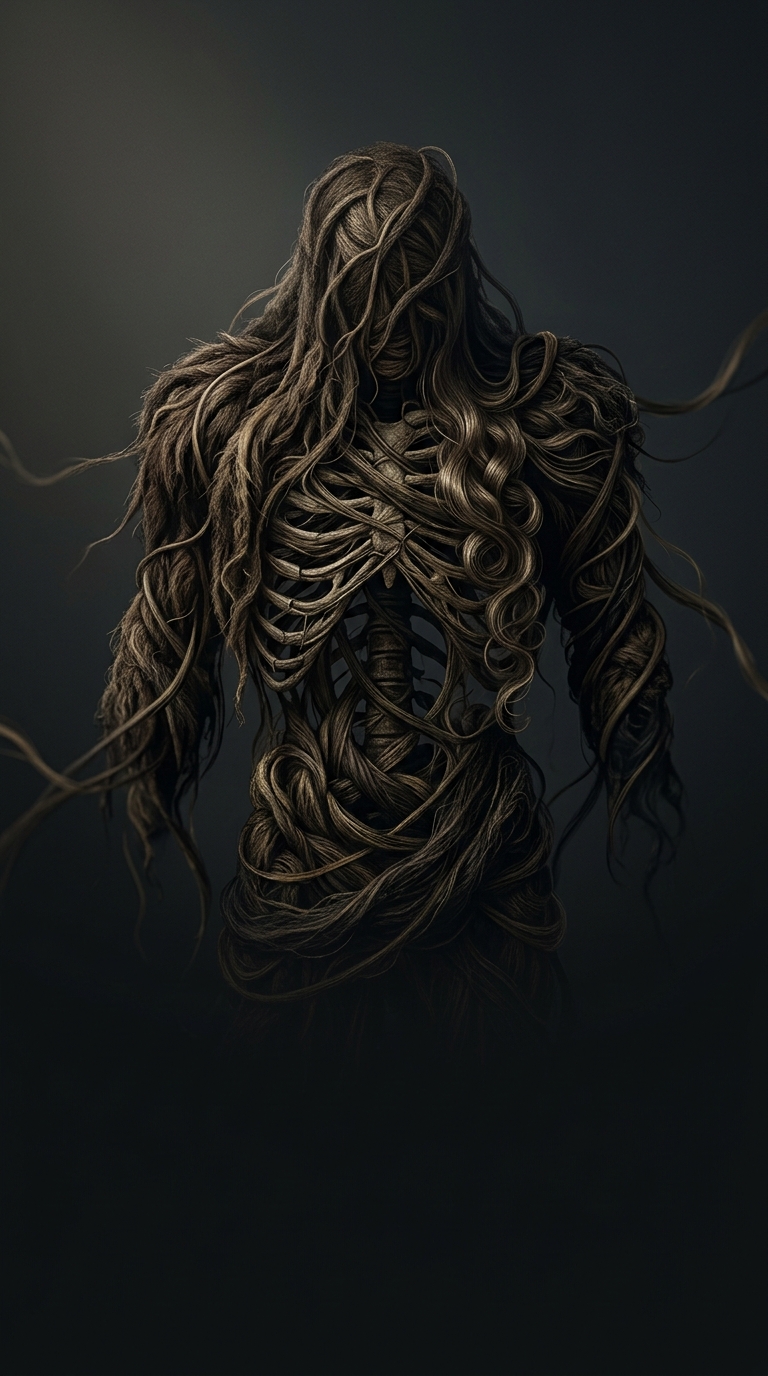
The costume’s distinctive surface came from combining two very different fibers: yak fur and human hair. Rather than relying on a uniform synthetic-looking coat, its makers joined real animal fur with actual hair, creating a dense, irregular texture. The result was not simply “hairy”; it gave the suit the variation and visual depth that read clearly on screen as a creature’s coat.
Why the construction mattered on camera
A character suit has to work in two ways at once: look convincing from the audience’s distance and remain wearable by the performer. The woven fibers supplied the surface that made Chewbacca recognizable, while the costume had to accommodate Peter Mayhew’s movement underneath. That balance is part of what makes a practical costume different from an image created entirely on a computer: the character’s appearance is physically built around an actor.
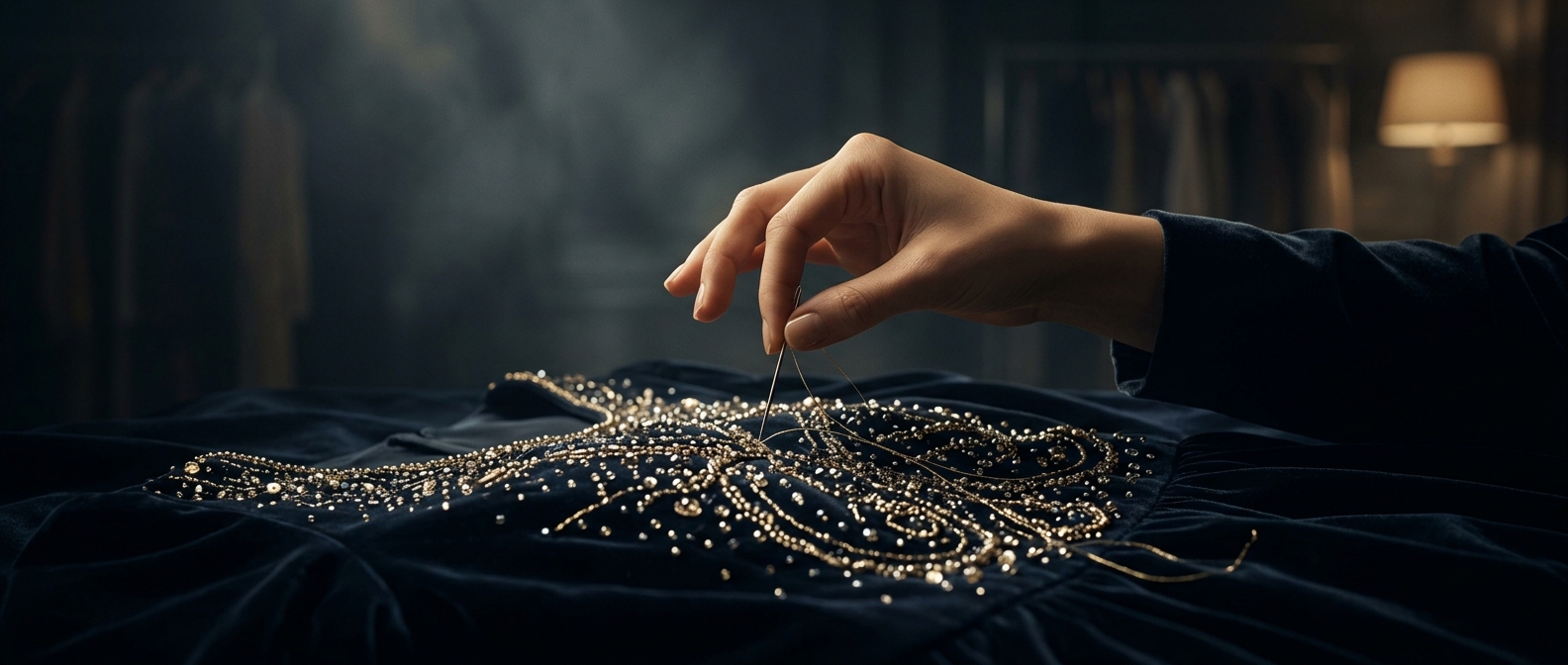
The material choice also meant that the finished look depended on painstaking assembly, not just a single molded piece. Each strand contributed to a larger silhouette, so the texture viewers remember was the product of many small, physical decisions—made one fiber at a time.