A costume brief with one crucial omission
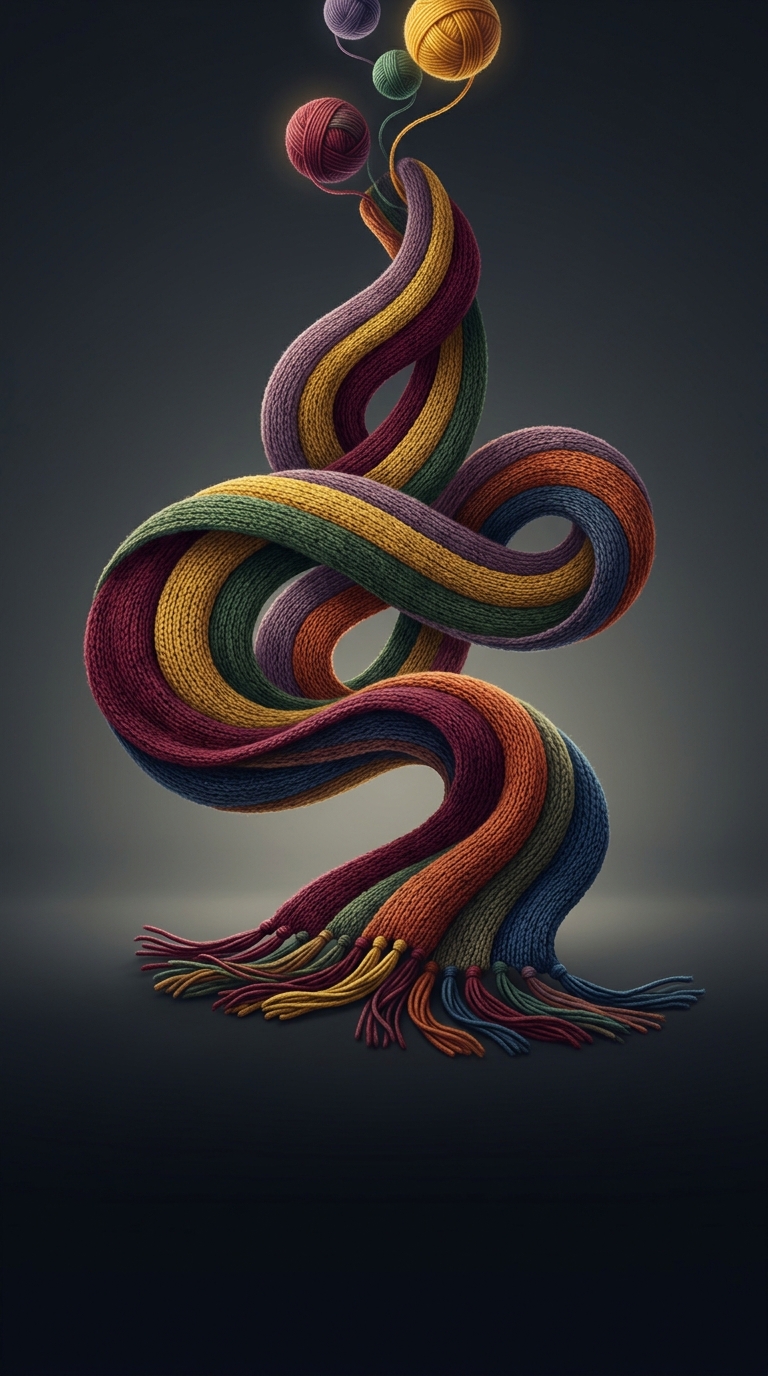
When Tom Baker became the Fourth Doctor in Doctor Who, the costume team wanted a distinctive knitted scarf to complete his look. The famous origin story turns on a basic production mistake: the knitter received a large supply of yarn but no clear instruction about how long the scarf should be. She used it all, producing a garment far longer and bulkier than an ordinary scarf.
That accident mattered because a costume is not just clothing on a television set. It has to read clearly on camera, help viewers recognize a character, and work through repeated scenes and camera setups. The scarf’s exaggerated length made it impossible to mistake for a practical everyday accessory.
From awkward excess to useful design
Rather than discard the result, the production kept it. The scarf could be looped, draped, or allowed to hang, giving Baker’s Doctor a strong silhouette even when the rest of the costume was relatively simple. Its stripes and length also made the character visually distinctive in a crowded science-fiction world of strange settings and changing threats.
The scarf was not a carefully engineered piece of branding from the start. Its appeal came partly from the visible mismatch between an ordinary object and an absurdly oversized one. That fit the show’s playful, eccentric tone—and gave viewers a detail they could recognize, imitate, and remember.
Why the mistake lasted
A design can become iconic when it works both in the story and in the audience’s imagination. The scarf did both: it belonged to the Doctor, but its impractical size also invited jokes and fan-made versions. What began as a failure to specify a measurement became a remarkably durable visual signature—proof that a production accident can sometimes give a character more personality than a perfectly planned accessory would.