The action can be designed before it exists
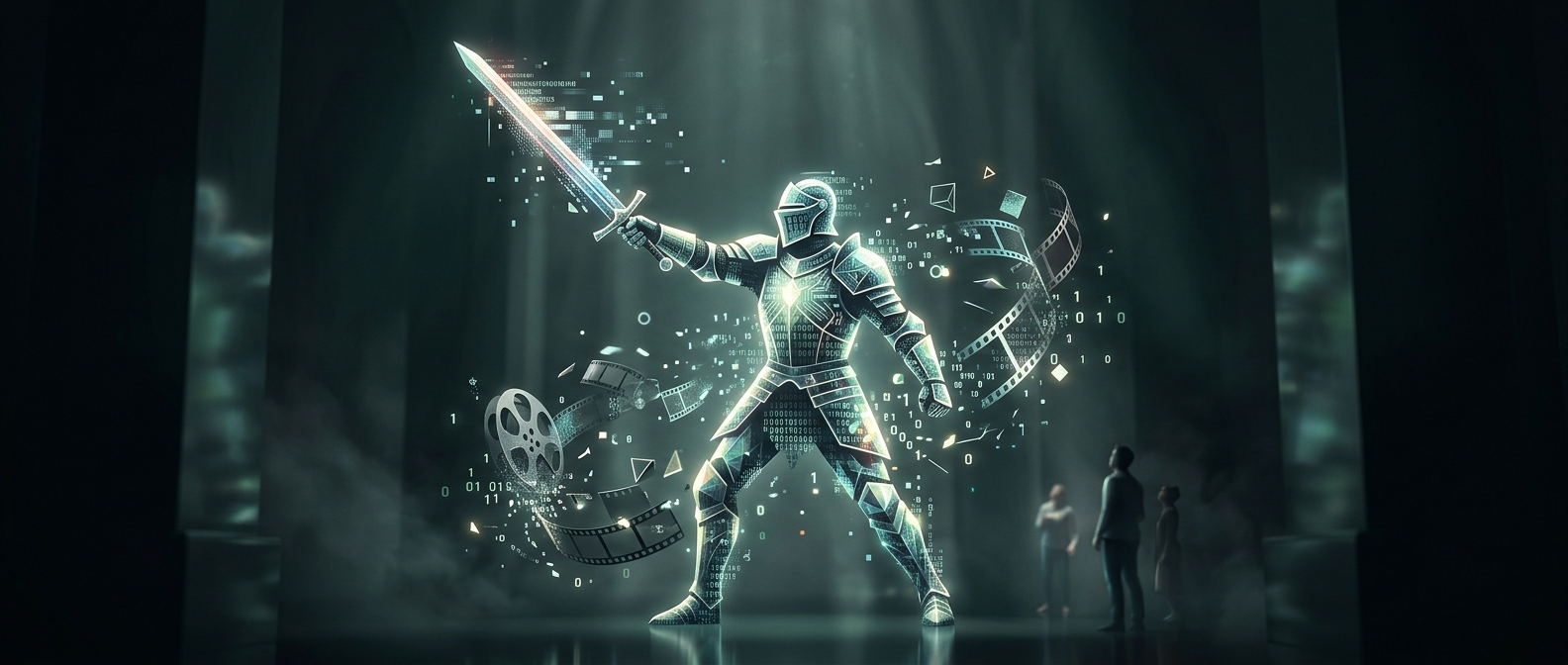
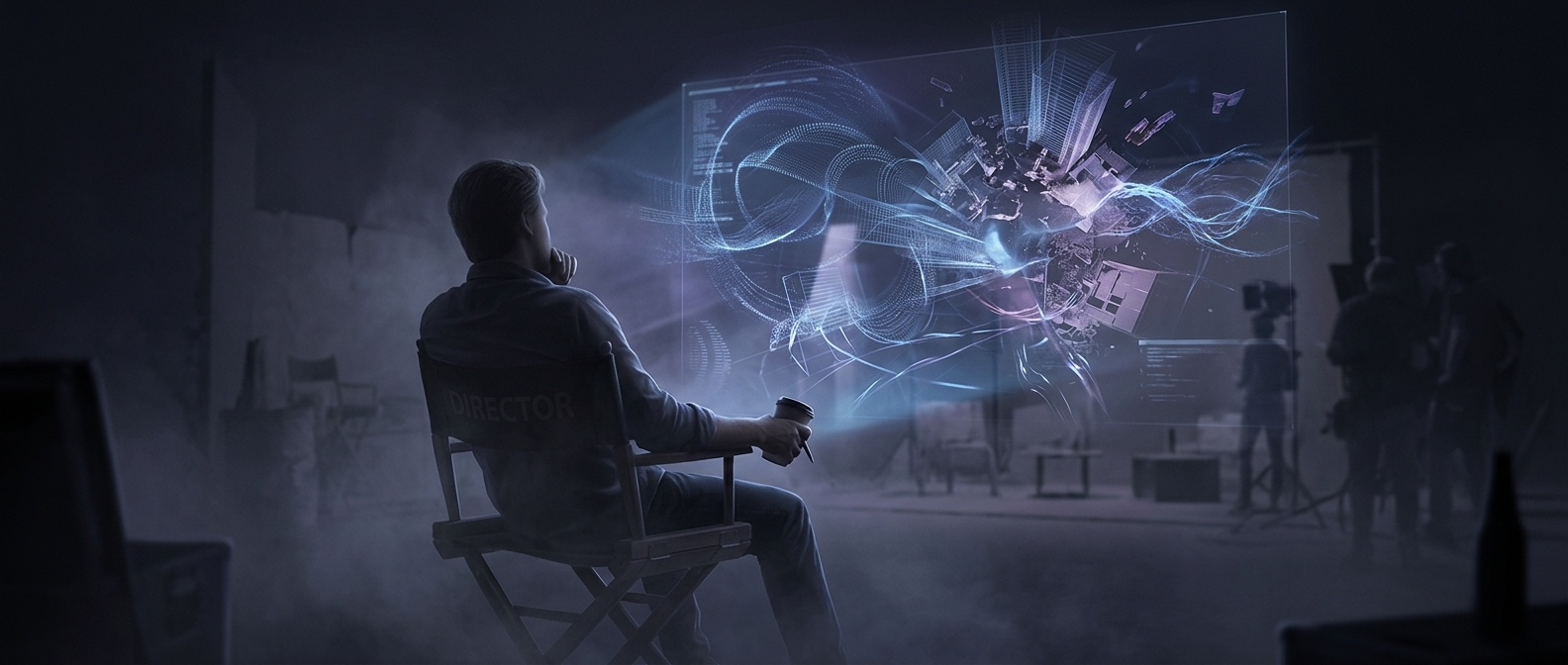
A dangerous stunt has to work in a real place, at a real speed, with performers and equipment kept within safe limits. Computer-generated imagery (CGI) changes those limits. A director can plan a collapsing bridge, a vehicle leaping between rooftops, or a battle in a place no crew could build, then create the parts that cannot be filmed safely or practically.
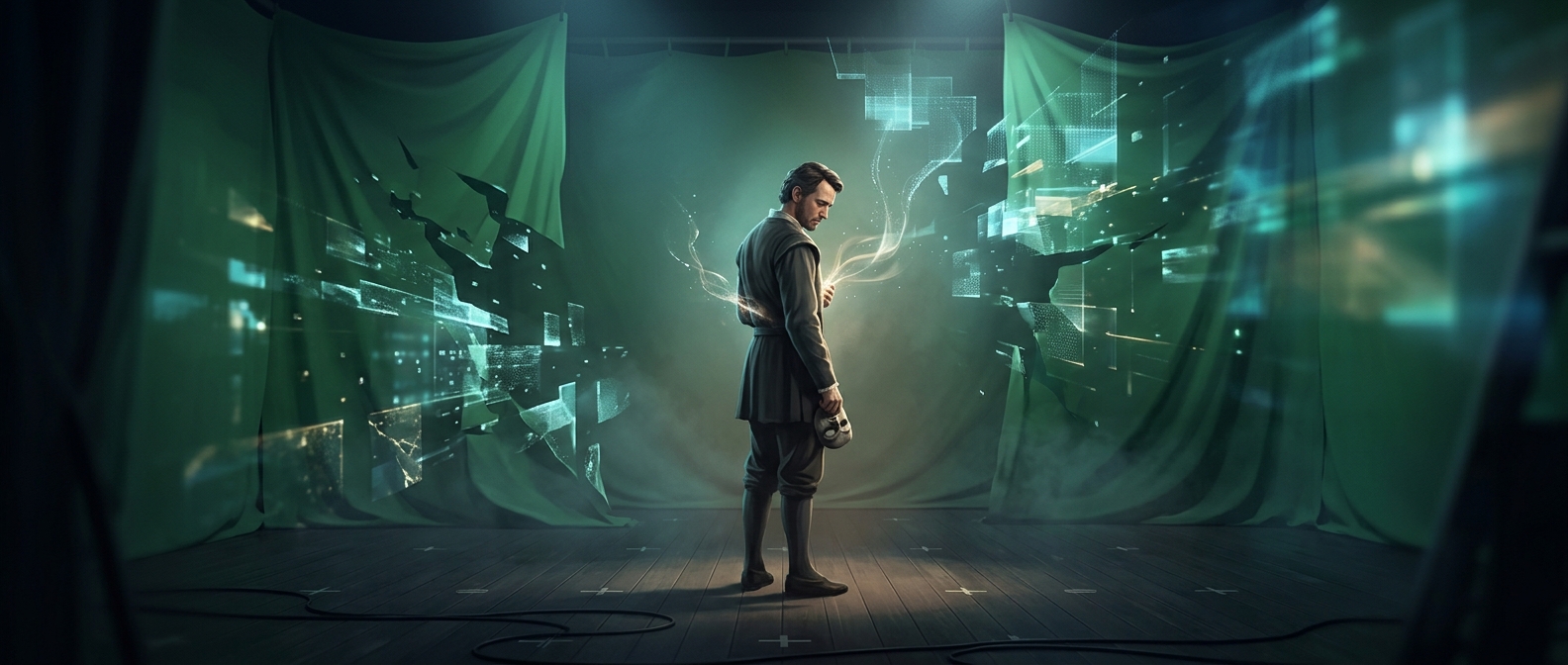
A green screen is one way to do that: performers act in front of a brightly colored backdrop, which editors remove and replace with a digital setting. But CGI can also extend a physical set, add crowds or debris, or alter a stunt shot after filming. The goal is not necessarily to make everything on screen digitally; it is to combine what cameras can capture with what artists can construct afterward.
Why the combination matters
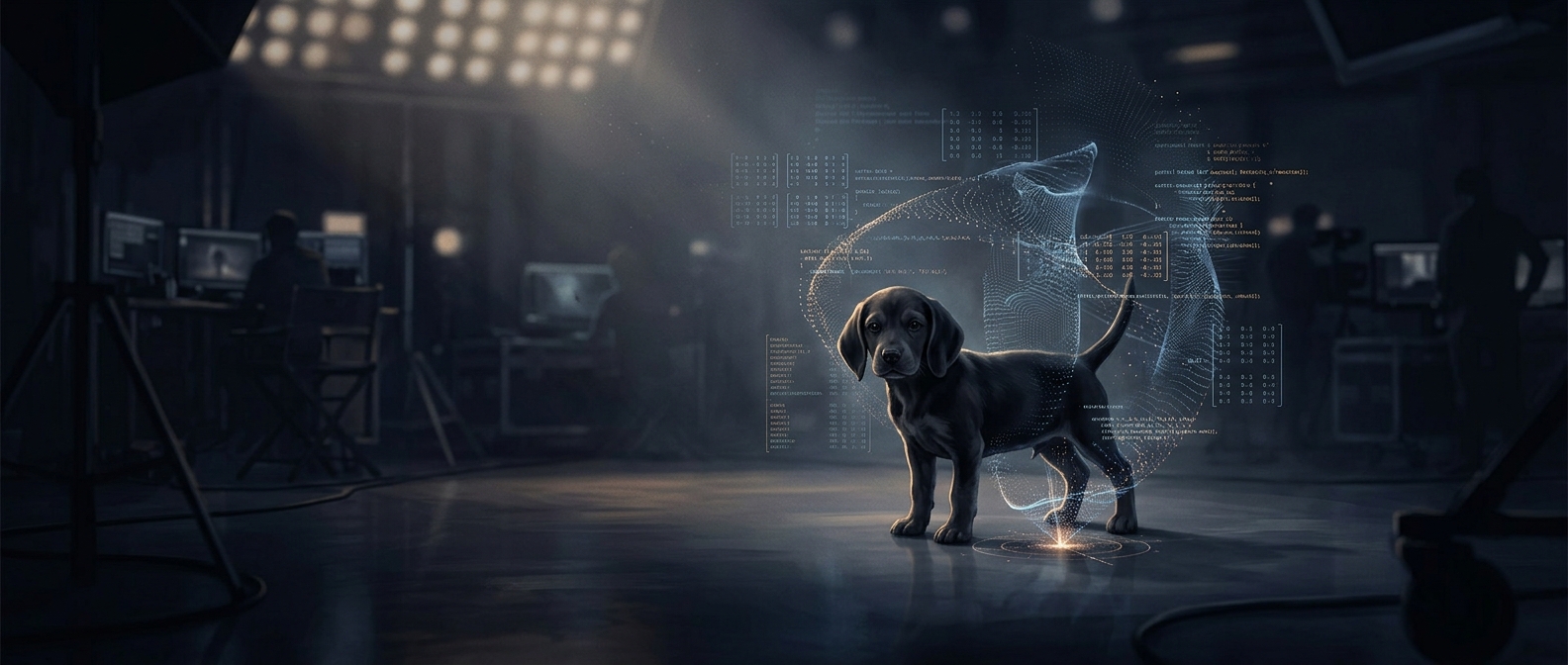
A real object gives actors something solid to touch and gives the camera genuine light, texture, and motion. Those details help a digital addition feel as if it belongs in the shot. Conversely, a model or digital effect can make a scene repeatable and controllable when a full-size stunt would be too hazardous, costly, or difficult to reset.
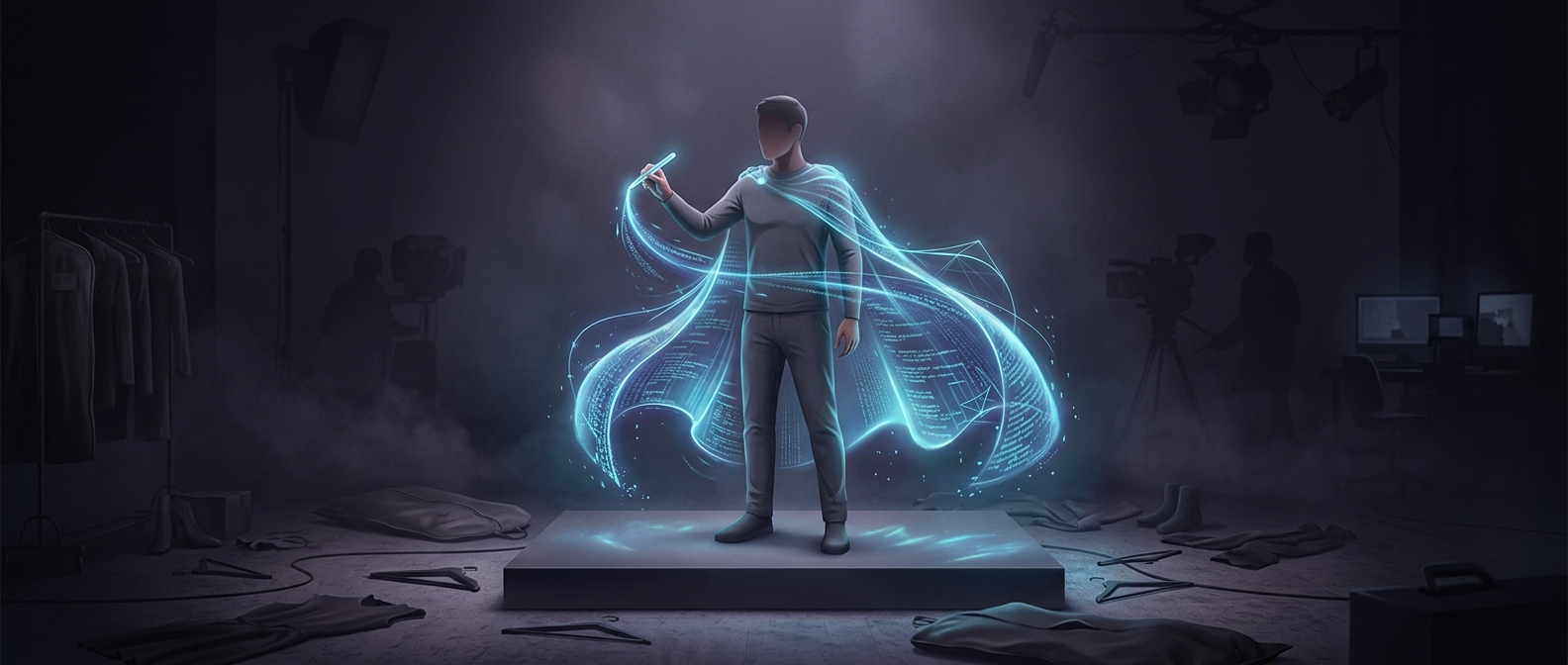
The tradeoff is that digital elements must match the filmed material. Artists have to make lighting, shadows, reflections, movement, and camera perspective agree. If a character seems to move without weight, or an explosion does not affect nearby objects, viewers may sense the mismatch even if they cannot identify its cause.
When spectacle loses its physical cues
CGI can make an action sequence possible, but possibility alone does not make it convincing. A scene often feels more grounded when digital spectacle has visible consequences—a performer braces against an impact, dust reacts to a landing, or the camera follows the motion with a consistent sense of distance and speed. Those cues give the audience a physical event to read, even when the most dangerous part was never performed in front of a camera.