Why a choice in Bandersnatch had to feel instant
A branching film has a timing problem that a conventional movie does not. When a viewer makes a choice, the story may need to jump to a different recorded scene. But streaming video normally arrives in chunks over a network, so waiting for the new scene to load could make the choice feel less like part of the film and more like using a menu.
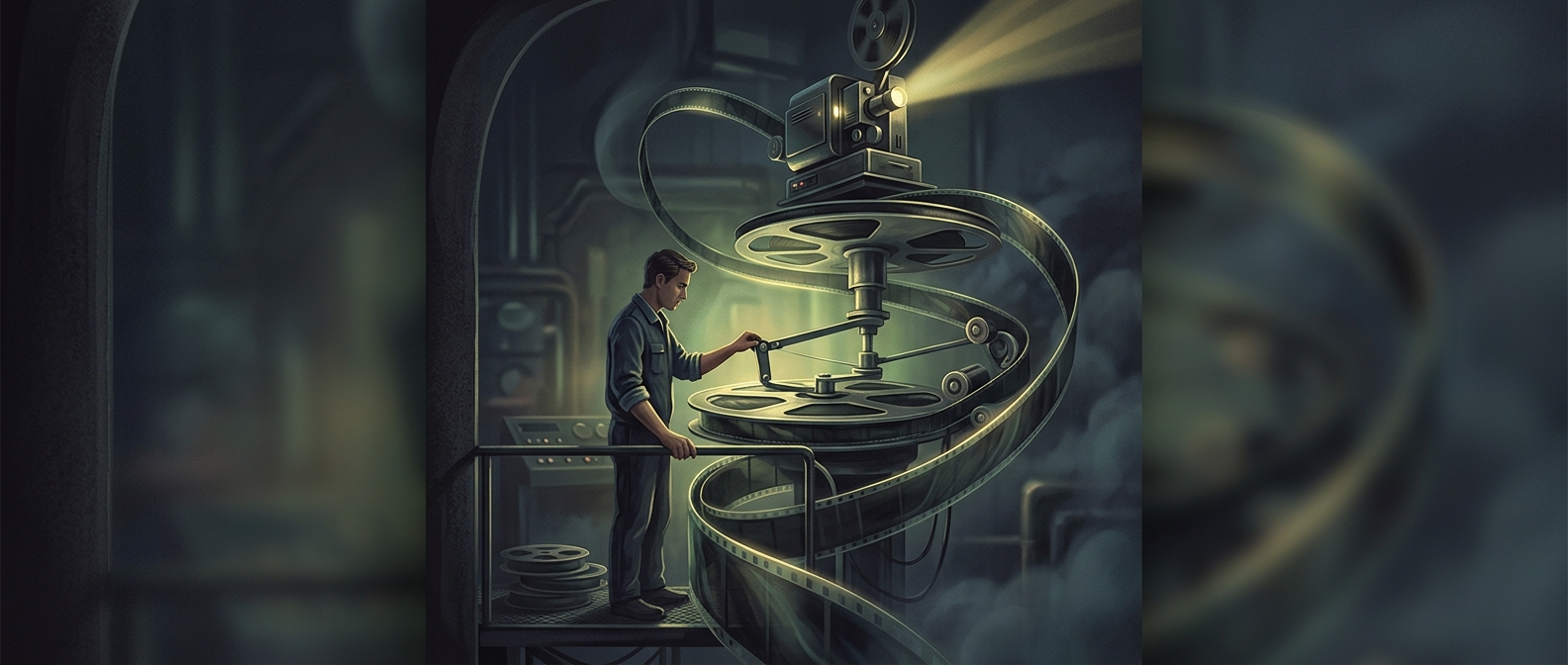
Netflix’s playback system addressed that pause by keeping both likely next segments ready in advance. Once the viewer chose, playback could continue along the selected path without first fetching that scene from scratch. This is pre-caching: storing upcoming material temporarily so it is ready when needed. It traded extra preparation and data for a smoother transition.
The story needed a map as well as a player
The video system solved only one part of the problem. Someone also had to organize the film’s choices and connect each one to the right continuation. Netflix built Branch Manager for that work, while the playback system handled presenting the selected path to the viewer.
That separation matters. A branching story is not simply a collection of alternate endings; choices can lead through different scenes before converging again or opening further branches. The writing and production have to account for those routes, while the software must keep the viewer’s current route aligned with the correct footage.
By preparing the two possible paths at a decision point, Bandersnatch could preserve the rhythm of a film while letting the audience steer it. The technology’s most important effect was nearly invisible: a choice could change what happened next without making the viewer wait for the story to catch up.