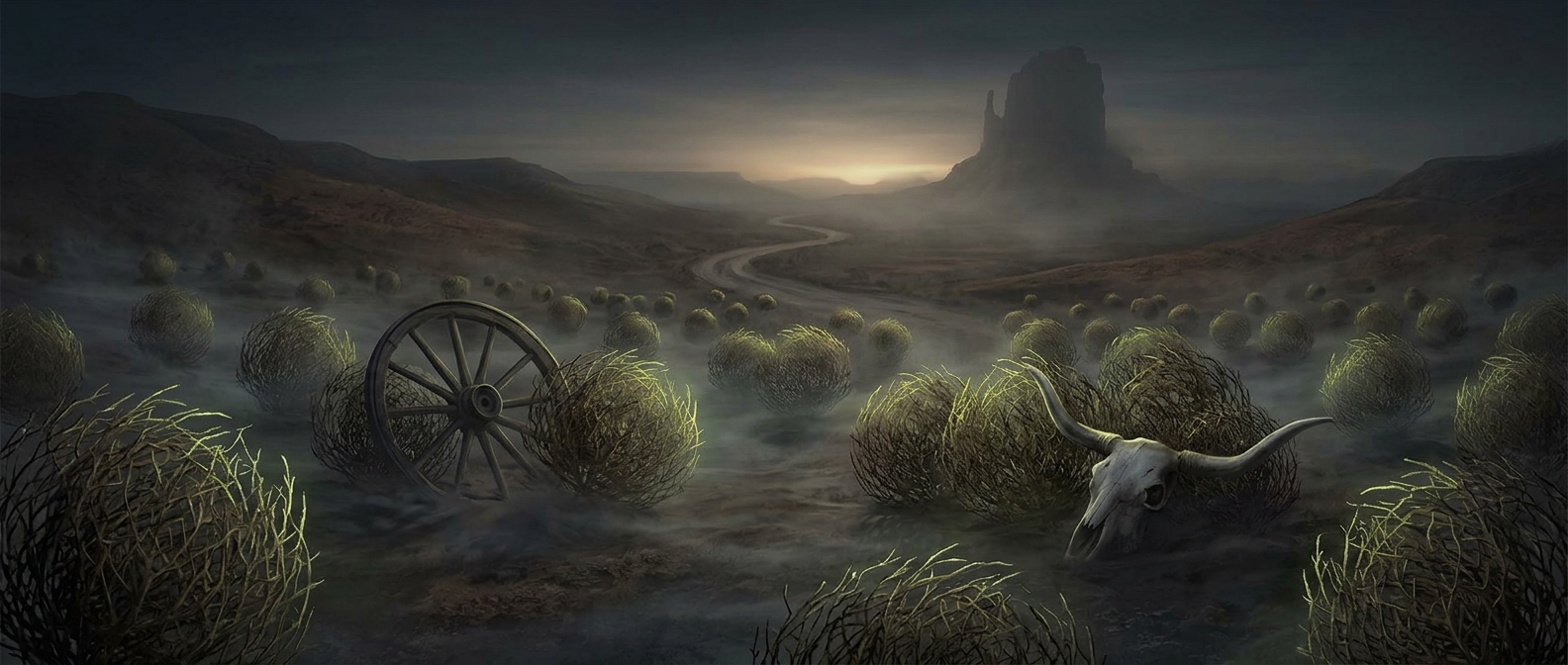
A weed built for a Western’s signature entrance
The dry plant skittering across a deserted street is often Russian thistle, a prickly weed originally from Eurasia that became established in North America. Its round, branching shape makes it instantly readable on screen: one rolling plant can suggest wind, emptiness, and a long pause before anyone speaks.
“Tumbleweed” describes a way some plants spread, not just one species. As Russian thistle matures, it dries out and breaks near the ground. Wind then pushes the detached plant along, shaking loose seeds as it goes. The rolling silhouette that works as a visual shorthand in a movie is part of how the plant reproduces.
From cinematic prop to farm hazard
That same motion carries a cost outside the frame. A plant rolling across open ground can scatter seeds over a wide area, helping the weed spread. When large amounts of Russian thistle collect around fields or machinery, their stiff, tangled stems can get in the way and damage farm equipment.
The contrast is what makes the image memorable: the weed looks like a harmless bit of Western scenery, but its movement is an efficient seed-delivery system. In real fields, the rolling plant is less a symbol of a quiet frontier than a reminder that the landscape is still changing.