How a Slow Walk Becomes a Threat
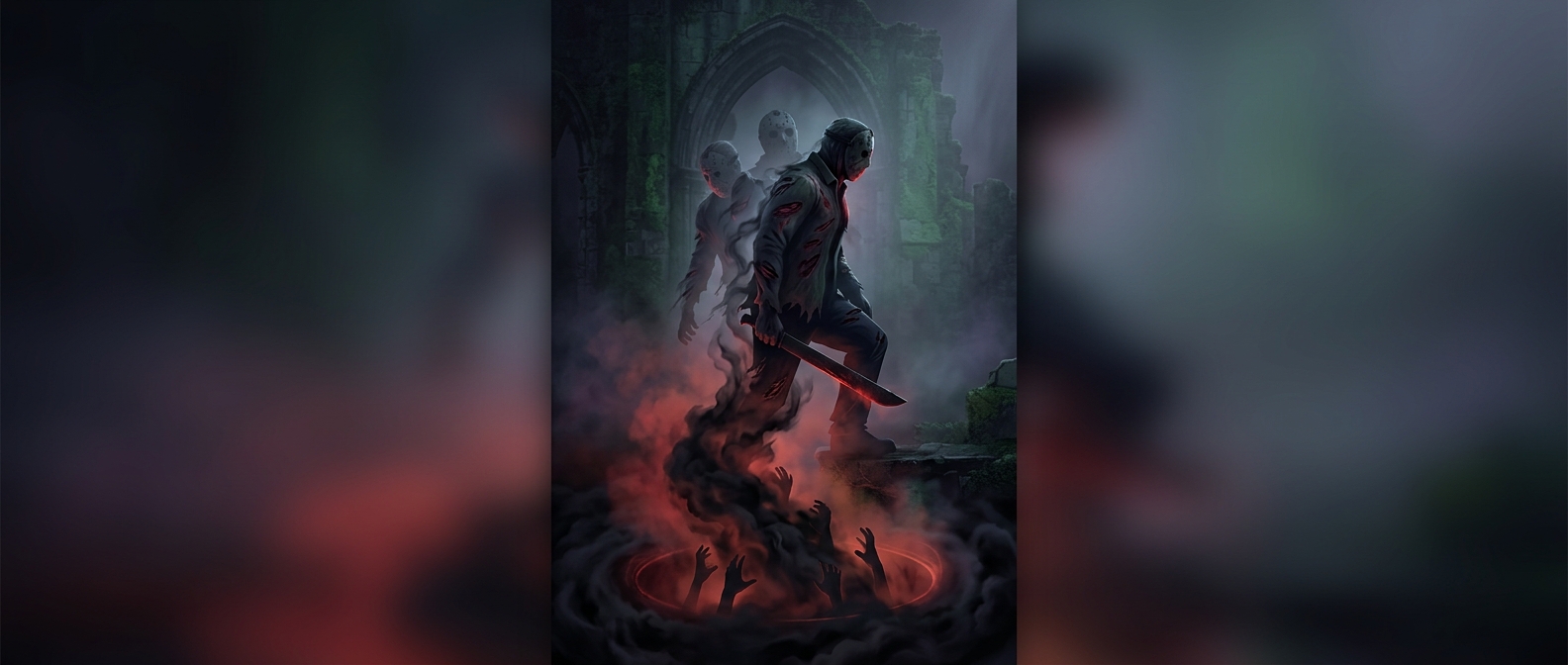
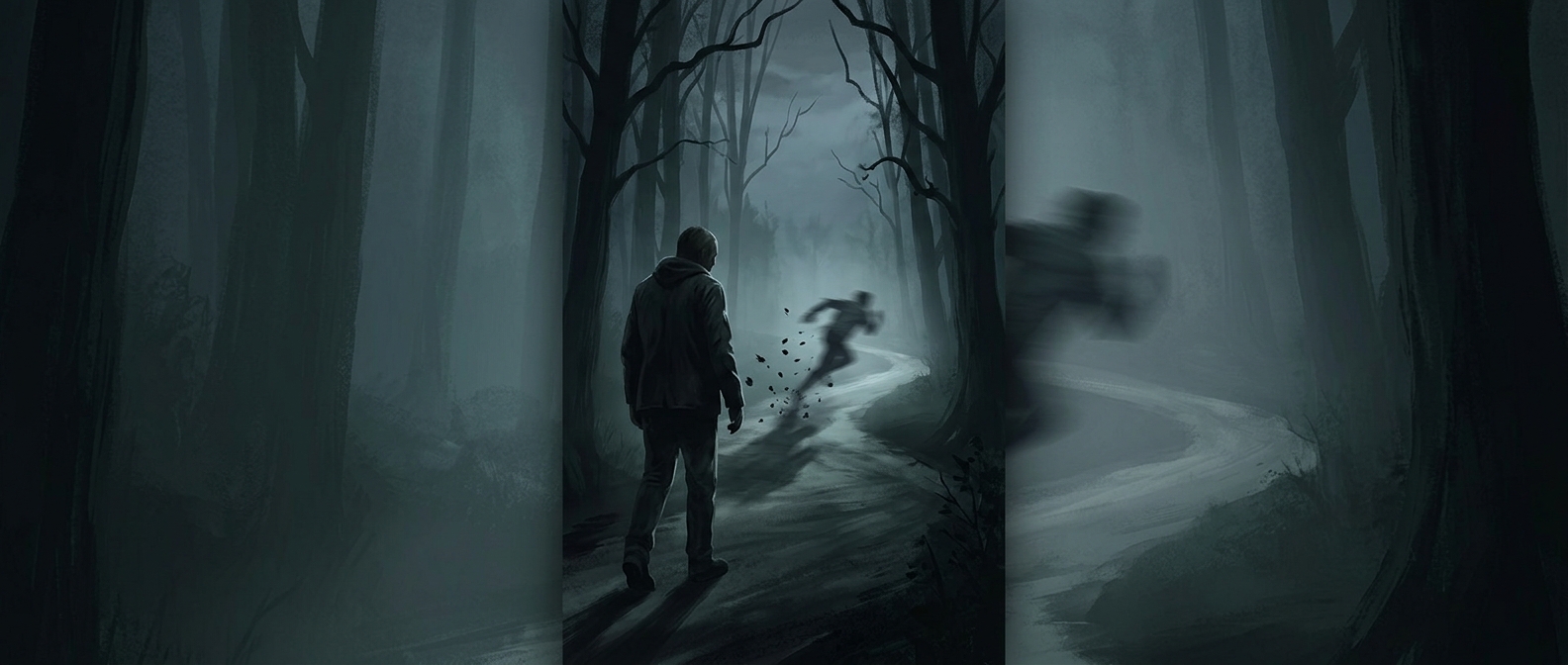
A slasher villain’s unhurried pace is not meant to win a footrace. It signals that ordinary escape logic may not apply: the killer appears to need no visible effort, while the person running is frightened, stumbling, and losing control. That contrast makes the villain feel less like a pursuer who can be outrun and more like a presence closing in regardless.
The scene’s geography is usually less clear to the audience than it is to the characters. A runner plunges through dark woods, turns around trees, and looks back; each movement breaks their view of what lies ahead. The film can cut to a different angle, hide the killer behind an obstacle, or show the killer already positioned on the runner’s route. The apparent shortcut is created by what the camera withholds, not by a demonstrated burst of speed.
Suspense Comes From the Gap
The sprint also gives the scene its rhythm. Fast, unsteady movement and frantic glances make the escape feel immediate. Against that, the villain’s steady walk is unnervingly calm. Viewers can see the mismatch between the runner’s exhausting effort and the killer’s composure, and begin to expect that another turn will not be enough.
This is a staging choice, not a rule of real pursuit. The movie controls how much of the landscape viewers can see and when they learn where the killer is. By keeping the route uncertain, it turns a simple question—who is faster?—into a more frightening one: is there anywhere the runner can go that the killer has not already reached?