A hot, disrupted night changes the feel of dreaming
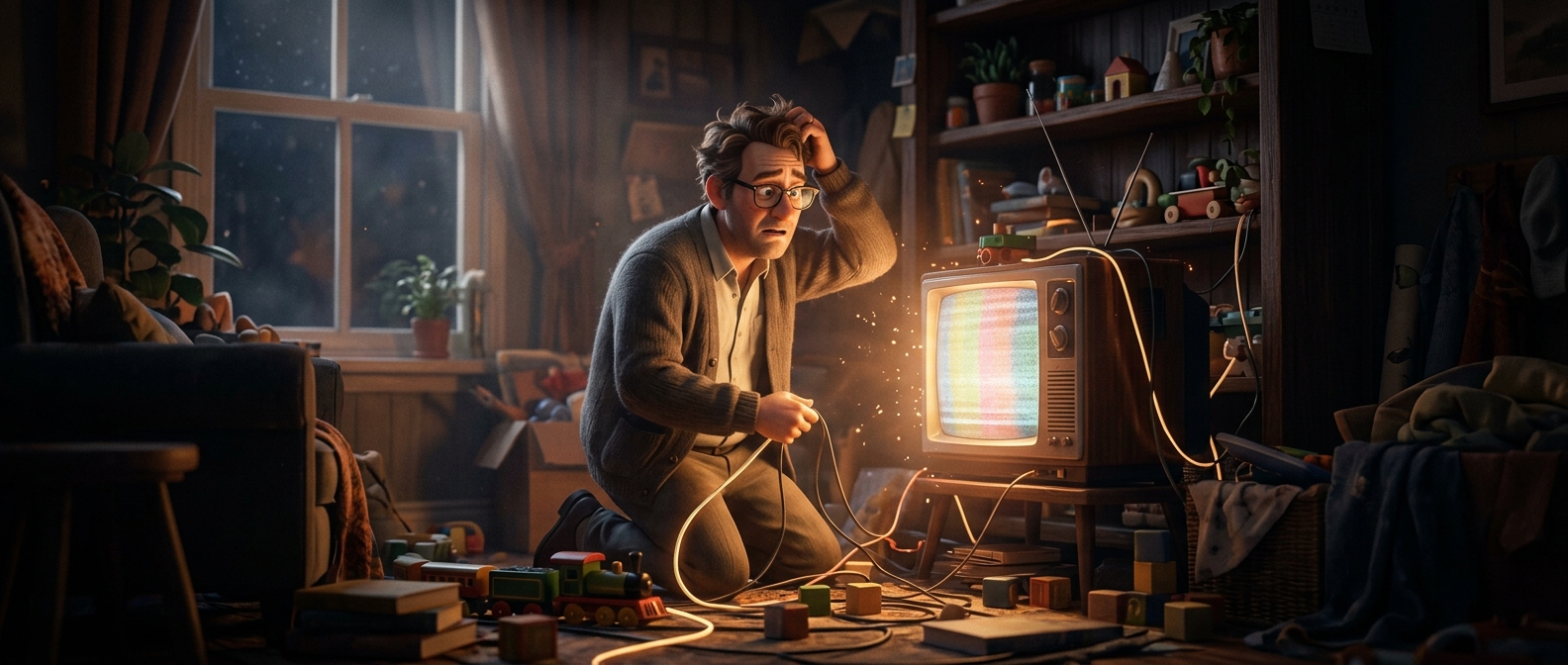
A fever does not turn the brain into a screenwriter. It can, however, make sleep more unsettled. Elevated body temperature and the illness causing it can bring more awakenings and shifts between sleep stages. When a dream is interrupted, a person may wake while its images and emotions are still vivid—making the experience easier to remember and more like a sequence of scenes.
Dreaming occurs in more than one sleep stage, though dreams recalled from rapid eye movement (REM) sleep are often especially vivid. Fever can disturb the usual rhythm of sleep, but there is no single fever-dream pattern that everyone follows.
The mind supplies the edits
Dreams draw on fragments of memory, sensation, and emotion rather than following a planned plot. During illness, discomfort, chills, sweating, or a racing sense of unease can feed into that material. The sleeping brain may connect the fragments into a chase, a strange journey, or another story that feels dramatically continuous in the moment.
On waking, people also make sense of incomplete memories. A few striking images can seem like a whole narrative, even when the dream itself shifted abruptly or never held together. The cinematic quality comes partly from vivid scenes and partly from how the mind remembers and links them afterward—not from a reliably coherent hidden message.