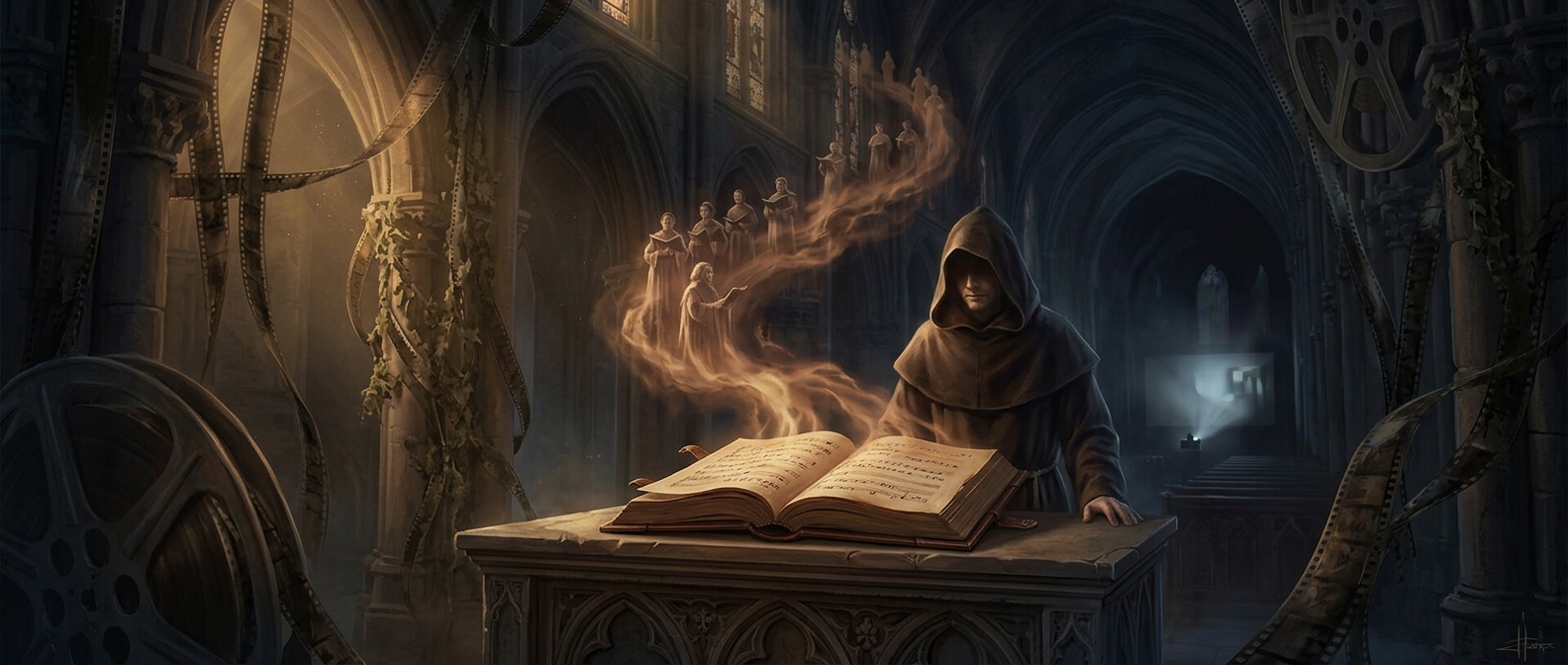
How a funeral melody becomes a film warning
The Dies Irae begins with a compact, descending musical phrase. Its Latin name means “day of wrath,” and for centuries the melody was linked to the Catholic Mass for the dead. That history gives the notes a cultural aftertaste: even when listeners cannot name the tune, it can make a scene feel as if danger or loss is approaching.
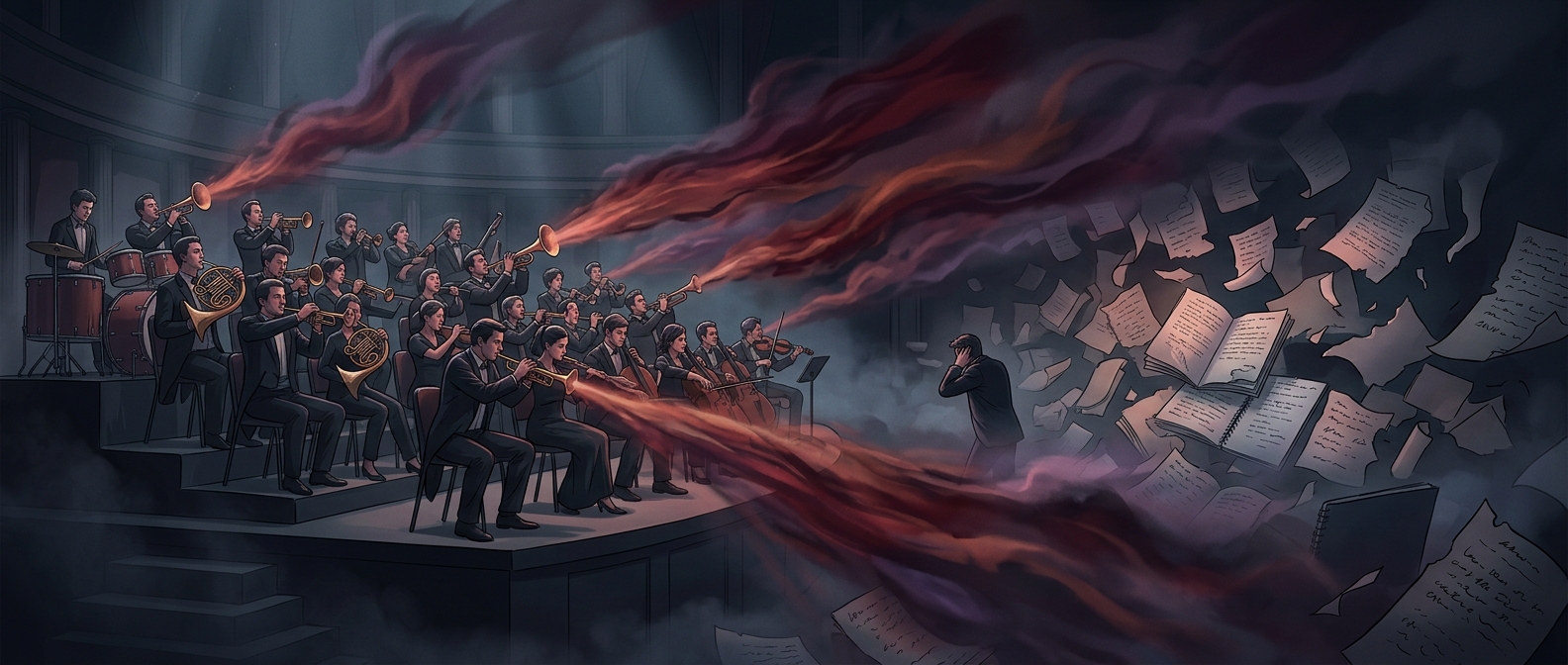
A film score does not need to quote the whole chant. A composer can weave its four-note shape into a larger passage, altering the rhythm, changing the instruments, or letting it surface only briefly. The motif then works less like a song the audience is meant to identify and more like a musical shadow beneath the scene.
Why the reference can stay hidden
In The Lion King, the allusion sits inside a score built to serve the film’s drama, rather than arriving as a standalone performance of a medieval hymn. That lets the music carry the chant’s association with death and doom without interrupting the story to explain it. The same strategy appears in films with very different moods, including The Shining: a familiar musical shape can quietly connect a new scene to an old sense of dread.
The effect depends on recognition at more than one level. A listener who knows the chant may catch the reference; someone who does not can still respond to the phrase’s ominous character. The tune can signal what is coming before the audience consciously realizes why the music feels foreboding.