The price of making the bees real
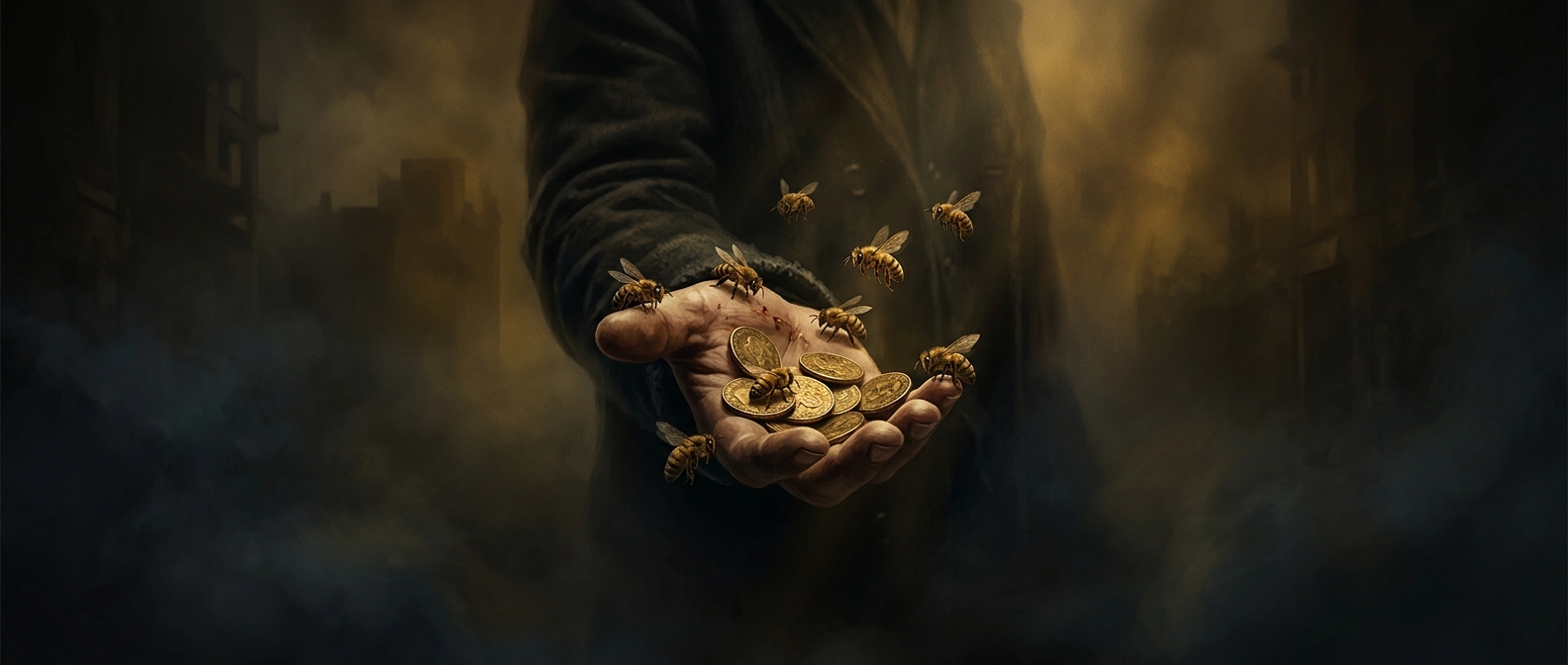
Tony Todd’s per-sting contract turned a practical hazard into a clearly counted cost. On Candyman, the bees were not merely a visual effect added after filming: Todd had to work in scenes with live insects, whose movement could not be directed as precisely as a prop or computer-generated image. Every sting therefore carried both a physical consequence for the actor and a financial one for the production.
Why a sting-by-sting deal mattered
A flat fee would have paid the same whether Todd was stung once or many times. A per-sting clause tied his compensation to what actually happened during the work. It also made the risk visible in a way a general “danger pay” amount might not: each sting added a specific sum to the bill.
The arrangement did not make bee work predictable. Insects move on their own, so a scene involving them can be difficult to repeat exactly. That uncertainty is part of what gives the footage its force: the audience sees a performance built around a real physical risk, not just the appearance of one.
A memorable piece of film arithmetic
After 23 stings, Todd’s additional pay came to $23,000. The number is striking because it links an invisible production negotiation to something tangible on screen: each close encounter with the bees had a cost that could be counted, sting by sting. It is a reminder that some movie effects are not only designed to look dangerous—they require performers to manage danger in real time.