When Set Dressing Was the Real Thing
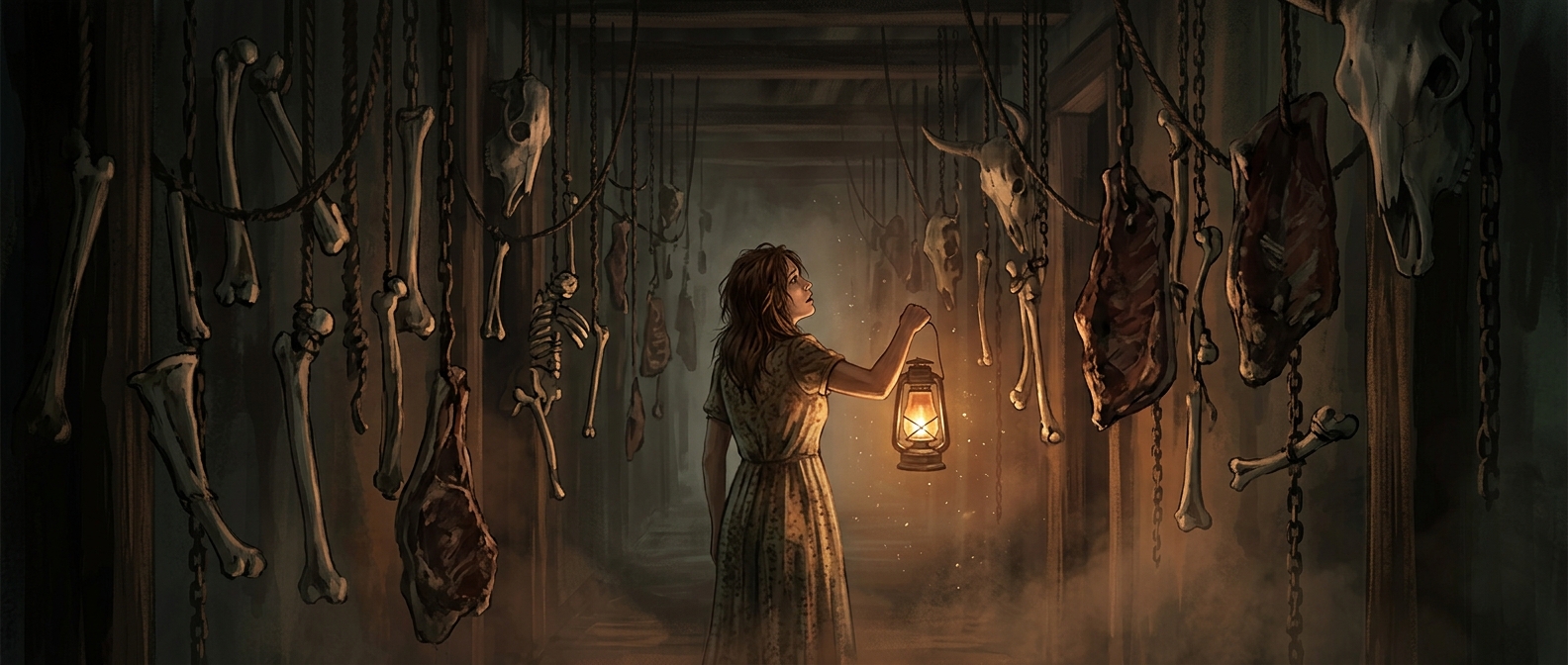
The farmhouse in The Texas Chain Saw Massacre was dressed with animal remains from a local slaughterhouse, not just painted or molded substitutes. That choice gave the rooms irregular shapes and textures a prop maker would have had to imitate: bones and carcasses do not look arranged for a camera. The set’s grim effect came partly from the fact that its most disturbing details were physically present.
Heat Made the Materials Hard to Ignore
Real remains also changed the working conditions. In extreme heat, organic material breaks down faster, while warmth helps odor-causing compounds spread through the air. So the same practical set dressing that made the house look convincingly foul could make it difficult to stay inside between takes.
That is the tradeoff behind this production detail: realism was not only something audiences saw on screen. The actors encountered it in the room, where the smell and heat were part of the scene’s physical environment.