A Movie Fireball Is a Planned Hazard
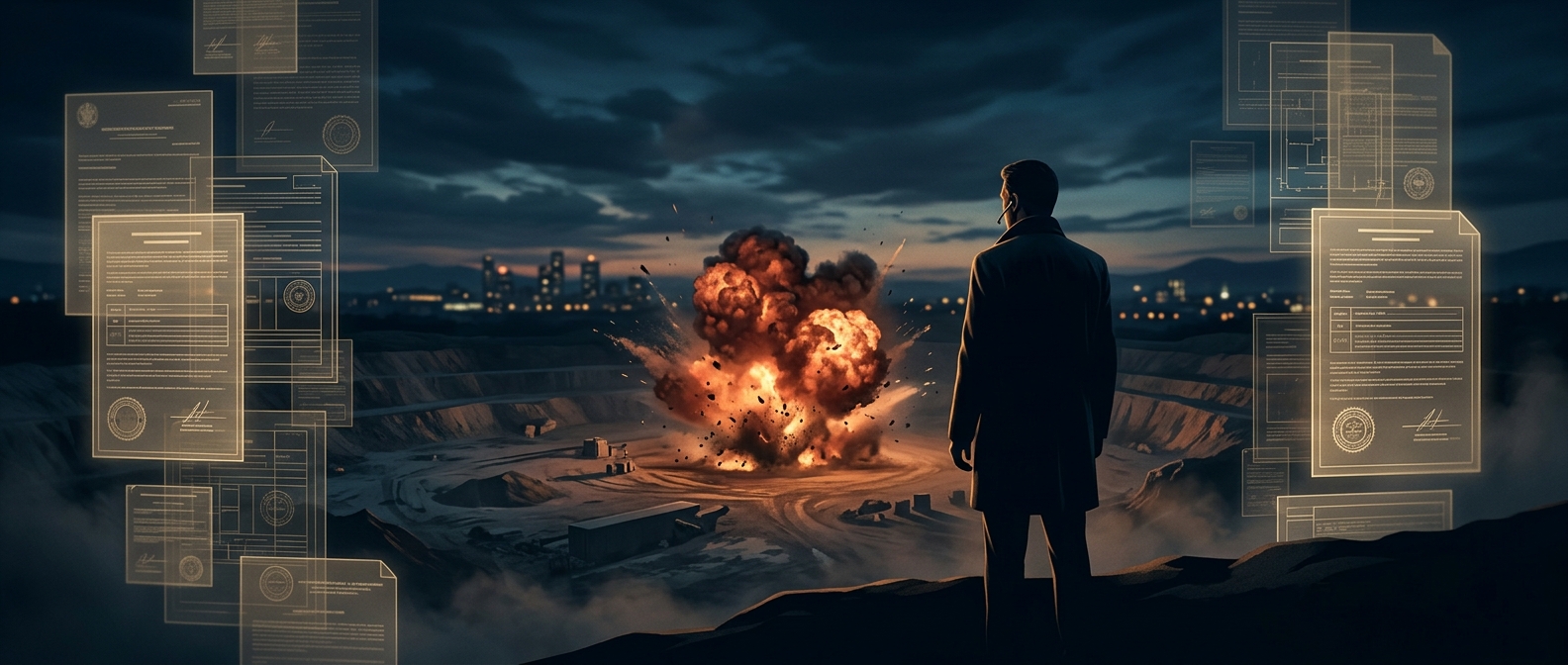
A practical explosion is not simply a flame effect switched on between takes. Pyrotechnicians build it from controlled materials and decide where the fireball, heat, debris, and pressure can go. The crew marks a safety perimeter, clears people and equipment from it, and coordinates the effect with the camera and performers. Fire crews can stand by to respond if the effect spreads or something else catches fire.
That planning shapes the shot itself. The director and effects team have to fit the blast to the location: a wide, empty lot offers different options from a narrow street bordered by buildings, parked cars, and pedestrians. If the scene needs a bigger or more dangerous-looking blast than the site can safely accommodate, the production may change the setup or combine a smaller practical effect with visual effects added later.
The Location Becomes Part of the Production
A city permit is permission to use public space or conduct specified activity there; it can come with conditions such as restricted access or limits on when work may happen. Zoning rules—the local rules governing how land may be used—can also affect whether a location can host an effects-heavy shoot. Fire officials and production staff work through the plan so emergency access, nearby properties, and the public are accounted for.
Those requirements add coordination and cost, but they also determine what can be filmed and where. A block may need to be cleared, traffic managed, or the effect redesigned to fit the site’s limits. The fireball that lasts seconds on screen can therefore depend on hours of preparation—and on a location chosen as much for what it can safely contain as for how it looks.