How a Second Unit Fills In the Story
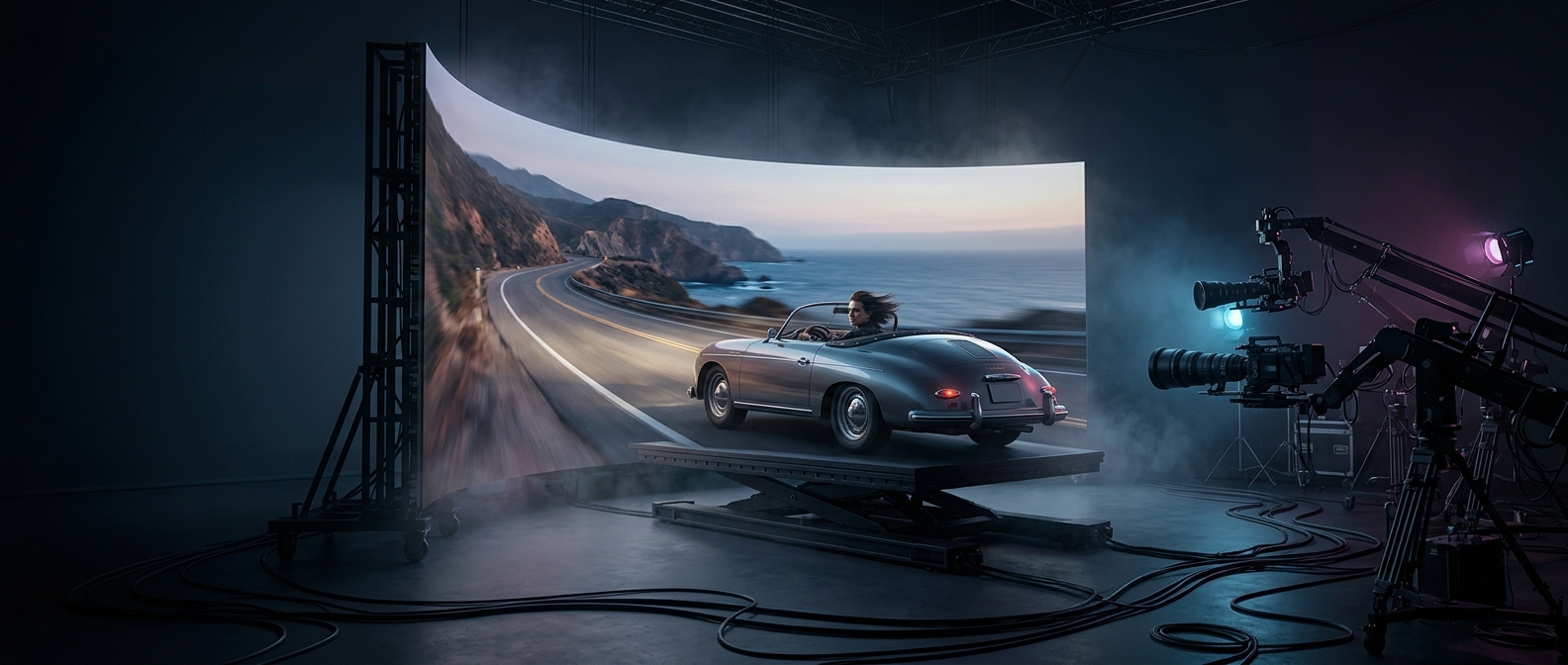
A film’s main crew may be occupied with a demanding scene—working with actors, elaborate lighting, or a tightly controlled set—while a smaller crew records shots that can be made independently. This is the second unit. Its work gives editors material to locate a scene, bridge moments, or show an action in close detail without interrupting the main production.
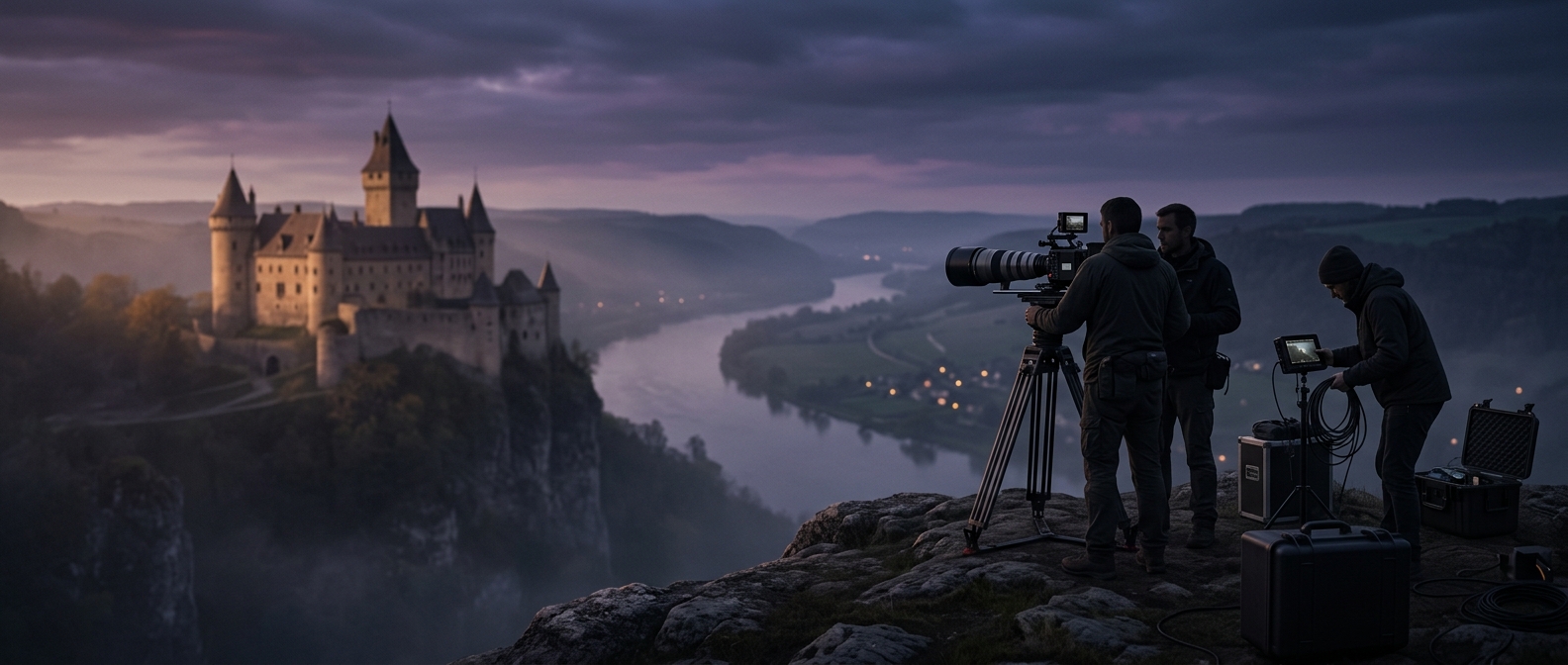
An establishing shot gives viewers a sense of where a scene takes place: a street, a skyline, or the exterior of a building. An insert is a close view of a specific detail, such as a hand turning a knob or a letter on a table. These shots can make a sequence easier to follow and help connect one beat to the next.
The Challenge Is Making Separate Shots Belong Together
Independence does not mean improvisation. The second unit must capture images that fit the scene the main crew is building. A door-opening insert, for example, needs to show the right kind of door and an action that can plausibly connect to the actor’s movement. The film’s director and other production leads can specify what the shot must communicate, while the second-unit team handles the practical setup and filming.
Continuity matters: details such as the direction someone moves, the position of an object, or the light in a location can make a cut feel seamless—or conspicuously wrong. The editor later chooses how to combine the material, but the footage has to offer a usable match in the first place.
A Small Shot Can Keep a Large Production Moving
Dividing the work lets the principal crew stay focused on scenes that require the lead performers, while another crew gathers useful images in parallel. The payoff may be only a brief cutaway on screen. But that close view of a hand or a quick glimpse of the location can make the surrounding action legible without asking the stars—and the entire main production—to be present for it.