How a Film Keeps Its Story Straight When Scenes Are Shot Out of Order
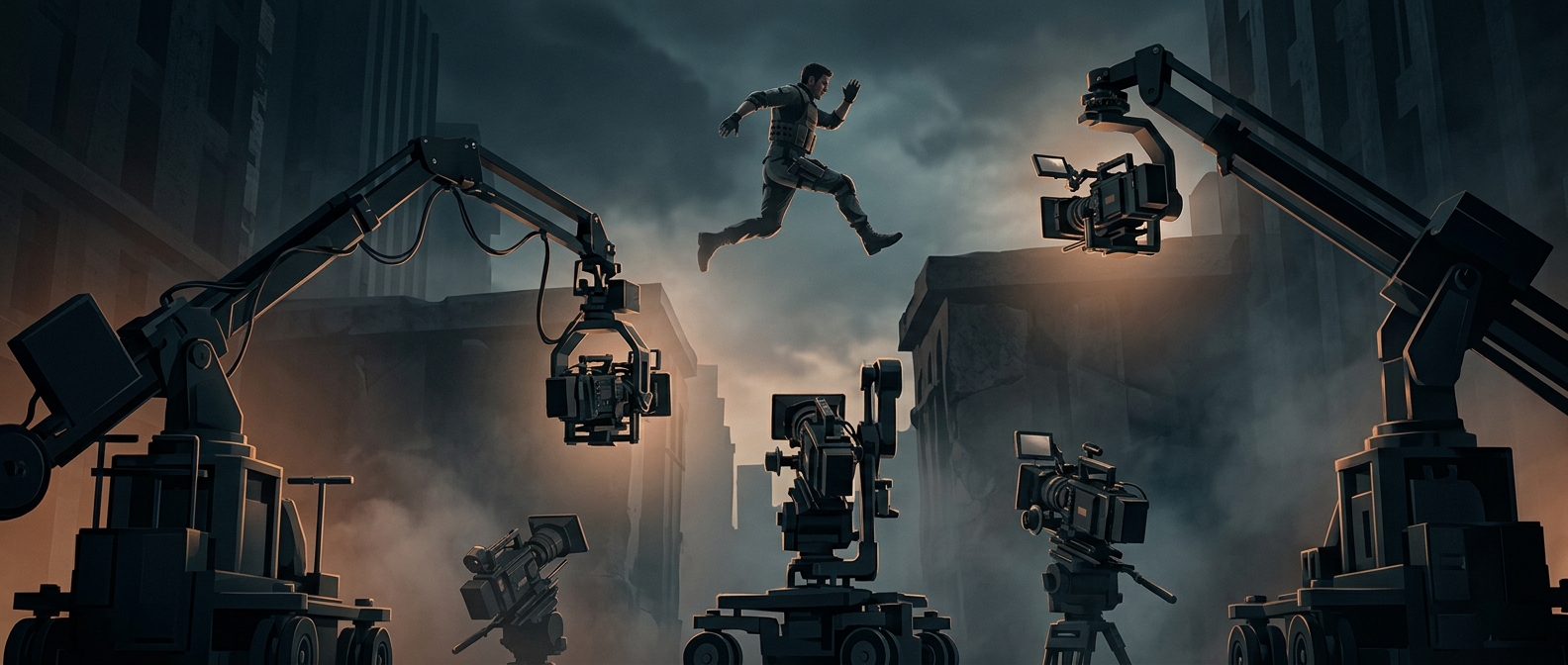
A movie’s finished sequence is built in the edit; the shooting schedule is built around practical constraints. If several scenes use the same set, filming them together can avoid moving equipment and crew, rebuilding the space, or paying to keep a location available. The result is that an actor may jump between moments separated by hours—or years—in the story.
Continuity Is Tracked One Detail at a Time
To make those separate takes fit together, a script supervisor records details that viewers may notice if they change: which hand holds a glass, how much liquid is left, where a coat is fastened, or how a character is positioned. Notes, photographs, and the slate—the board marked at the start of a take—help the editor identify and match footage later.
The actors also have to preserve continuity, but their task is more than repeating a gesture. They may need to play a character’s final scene before filming the events that supposedly led to it. Directors can explain the character’s emotional state for each moment, while actors use the script and their own notes to keep choices consistent across the schedule.
The Schedule Shapes the Performance
A scene’s order on the call sheet does not determine its place in the story. The production may organize a day around a set, an actor’s availability, or a location’s limited access, then rely on careful records and editing to assemble a coherent progression. That means a performance is often constructed in pieces: a reaction filmed in one week may be paired with a line recorded much later.
The payoff is invisible when the system works. A character’s last moments can appear to lead naturally from their first appearance—even though, on set, the crew may have filmed them in the opposite order.