The Camera Turns a Bystander Into a Performer
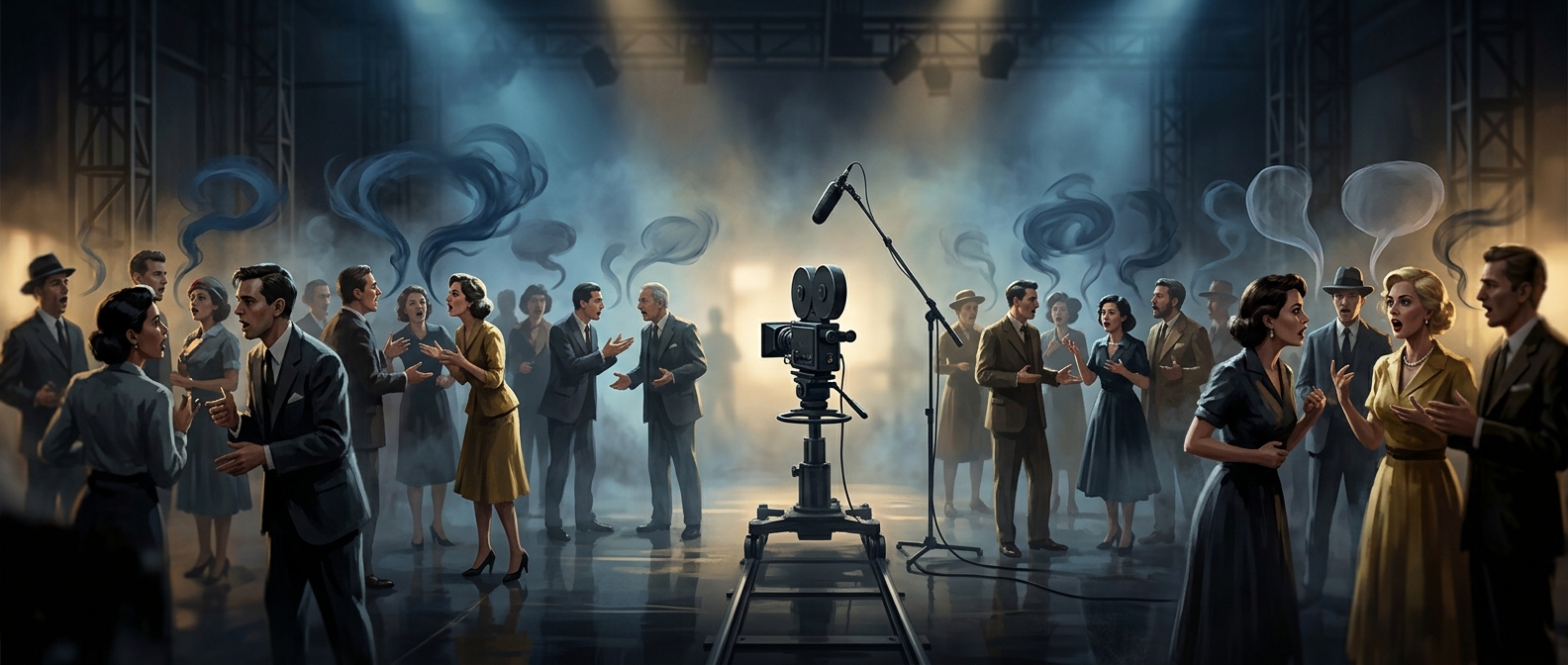
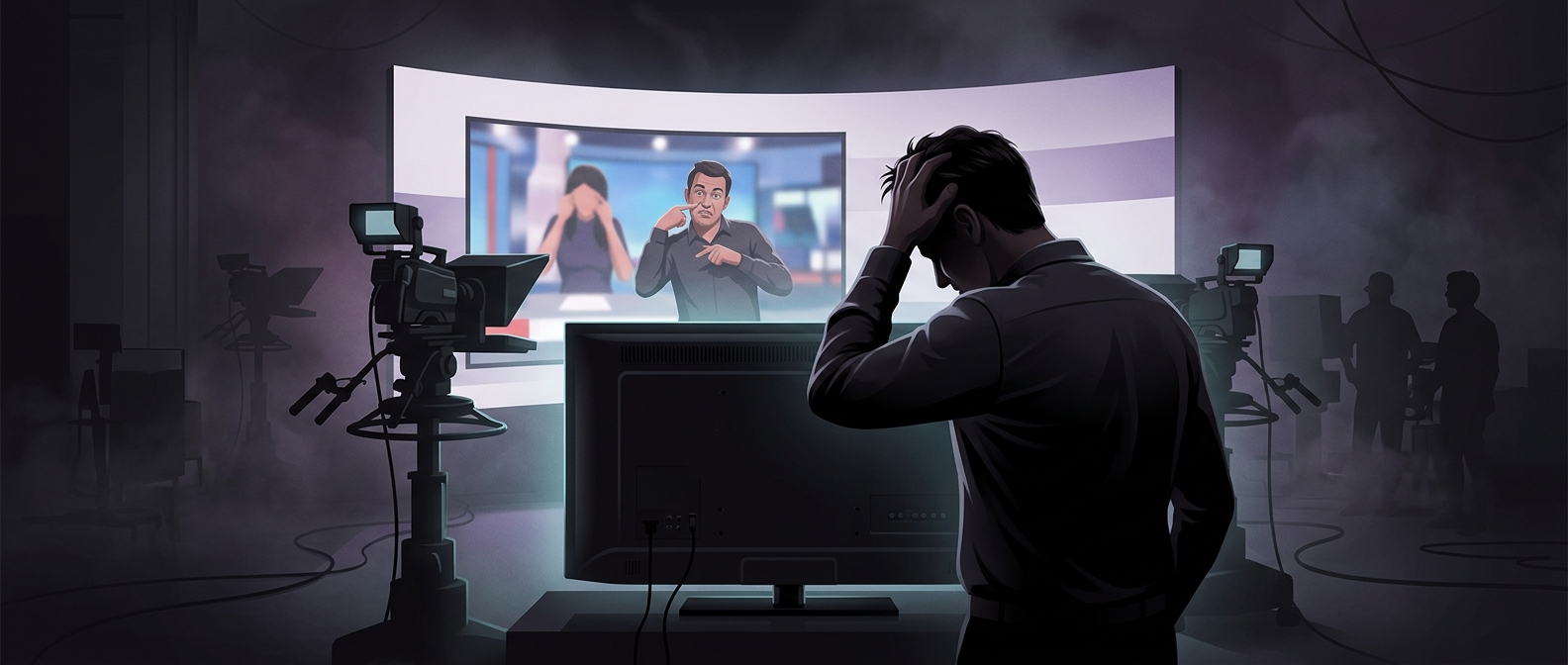
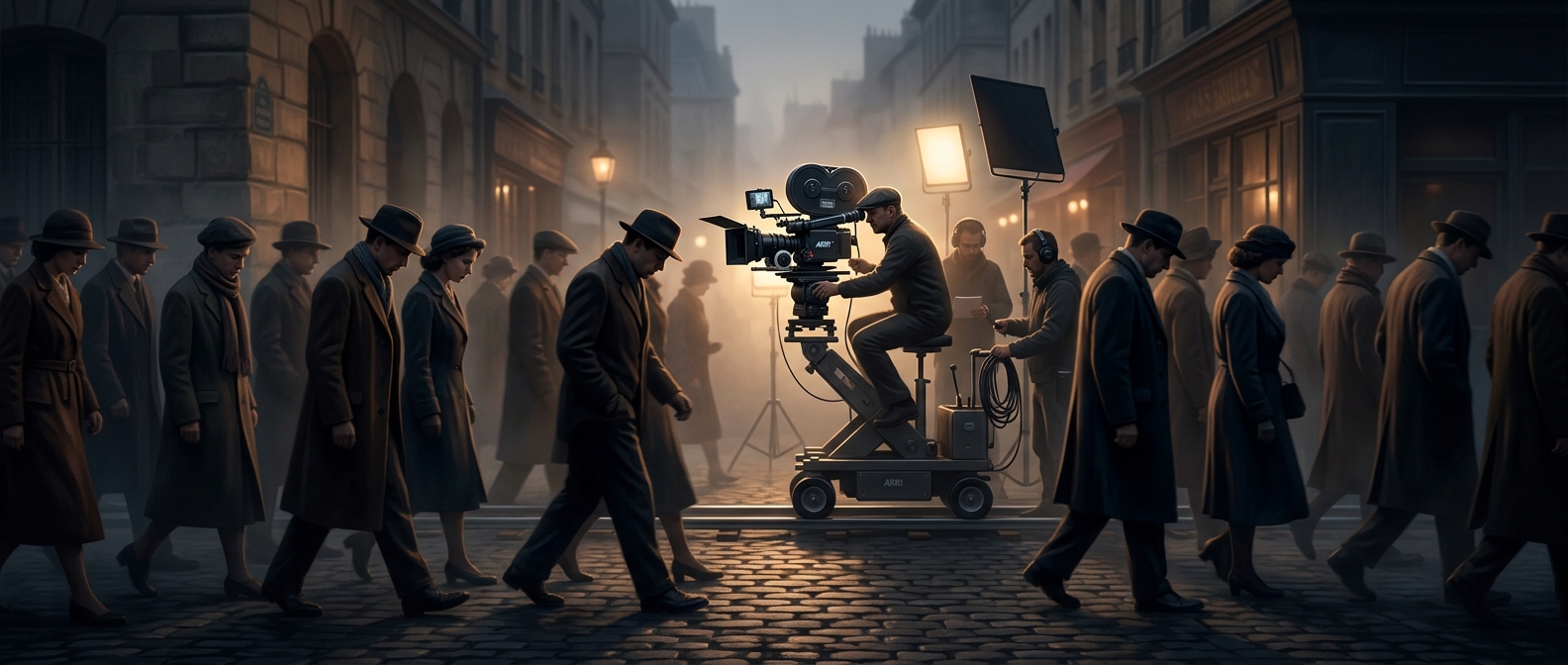
A background extra is meant to look like part of the world, not someone who knows a scene is being filmed. When a person looks straight into the lens, the glance can feel unusually direct: viewers recognize the camera’s position and become aware of the movie being made. That can puncture the scene’s illusion, especially when the story is meant to feel as if events are unfolding unnoticed.
The effect is stronger than an ordinary look in the background because a camera lens appears small and dark, like an eye. A fleeting glance can therefore read as deliberate eye contact, even if the extra was only checking where the camera was.
Why One Glance Can Disrupt a Take
A scene is built from details that must fit together: where people are looking, how they move, and what appears behind the actors. Extras may be given simple actions—crossing a street, talking, or waiting in a crowd—so those details feel natural while staying repeatable. Looking toward the camera changes the implied action: instead of seeming absorbed in the scene, the extra appears to notice the filming.
That also creates a practical problem for the edit. If the shot is repeated, the director and crew need the background behavior to remain consistent. A conspicuous glance may make a take unusable, or make a cut between takes look mismatched. The crew may then need another take, repeating the actors’ work and resetting the scene’s movement. The rule is not that extras must never look toward the camera in every film; it is that their gaze has to match what the scene is meant to show.