Two camera systems, one production
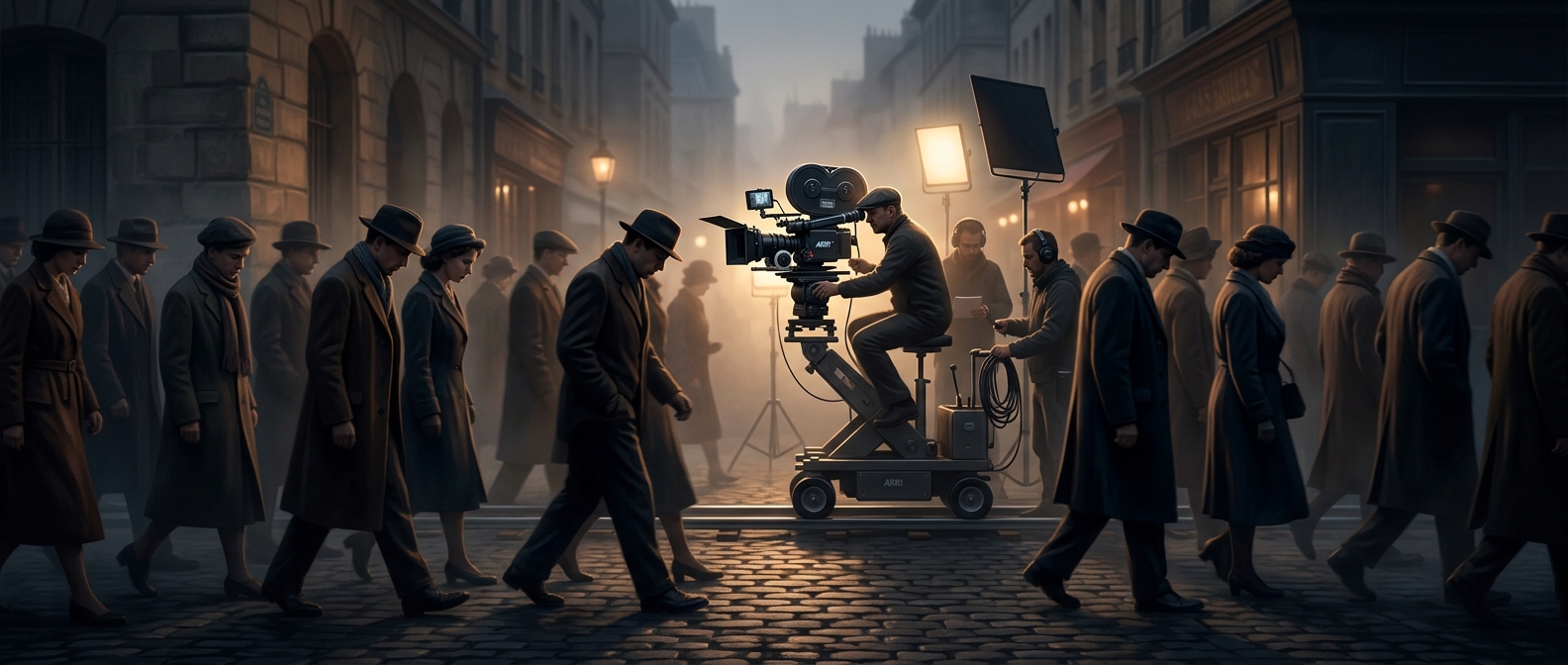
The unusual choice to shoot The Room on both 35mm film and digital video was more than a format preference. The two systems record images differently: 35mm captures light on photographic film that must be processed, while a digital camera stores the image electronically. Using both meant managing separate equipment and workflows on the same production, rather than simply choosing one look for the movie.
Wiseau also bought equipment instead of renting it. That put the production in control of its cameras, but it meant committing money to gear as well as to the film itself. With a reported budget of about six million dollars, the project’s scale was striking for a movie made outside the usual studio system.
A costly film finds a second life
The film’s later reputation did not depend on its production choices making it look polished. Its stiff performances, abrupt turns, and puzzling dialogue became the very qualities audiences seized on. At screenings, viewers began turning those oddities into shared rituals—calling out lines and reacting together—so watching the movie became part performance, part film screening.
That afterlife gave the production an outcome no camera format could guarantee: a movie that was initially treated as a failure became a durable cult attraction. Its expensive, unconventional making is part of the story, but the lasting draw is the gap between the earnest drama it presents and the experience audiences have watching it.