Why the Spider Walk Was Cut from The Exorcist
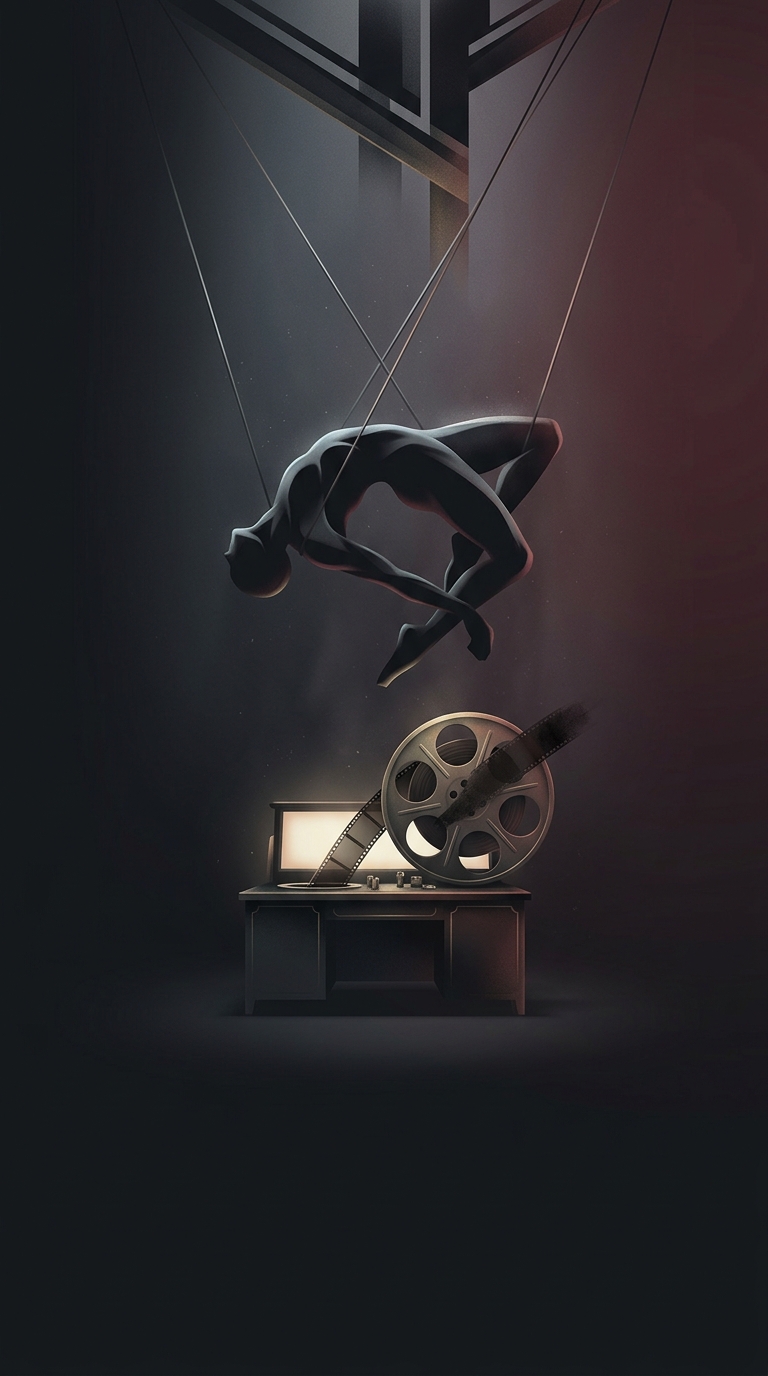
The spider-walk scene was designed as a sudden physical eruption: possessed Regan crawls down the stairs backward, bending her body in a way that makes an ordinary staircase feel suddenly unsafe. But the stunt depended on wires to support the performer, and those wires were plainly visible in the footage. For director William Friedkin, the effect broke the scene’s illusion. Rather than keep a startling moment that also advertised its own mechanics, he removed it from the 1973 theatrical release.
How Digital Cleanup Changed the Decision
The obstacle was not the stunt itself but what the camera recorded around it. In 1973, removing conspicuous support wires from moving footage was difficult enough that the sequence could not be made convincing to Friedkin’s standards. By the 2000 director’s cut, digital tools could erase the wires frame by frame, allowing the shot to appear as if Regan were moving without visible support.
That distinction matters: the later version did not simply restore an intact scene that had been waiting on a shelf. It presented footage whose most distracting technical flaw could now be corrected. The scene could finally deliver the intended shock without pulling viewers out of the film.
A Different Kind of Director’s Cut
The sequence’s return shows how a film’s effects can shape what audiences ever get to see. A moment may be staged and filmed, yet still be withheld because the available technology cannot make it fit the movie’s visual world. Nearly three decades later, digital wire removal changed that calculation—and turned a discarded piece of the production into one of the film’s most memorable images.