How a shot list protects the edit
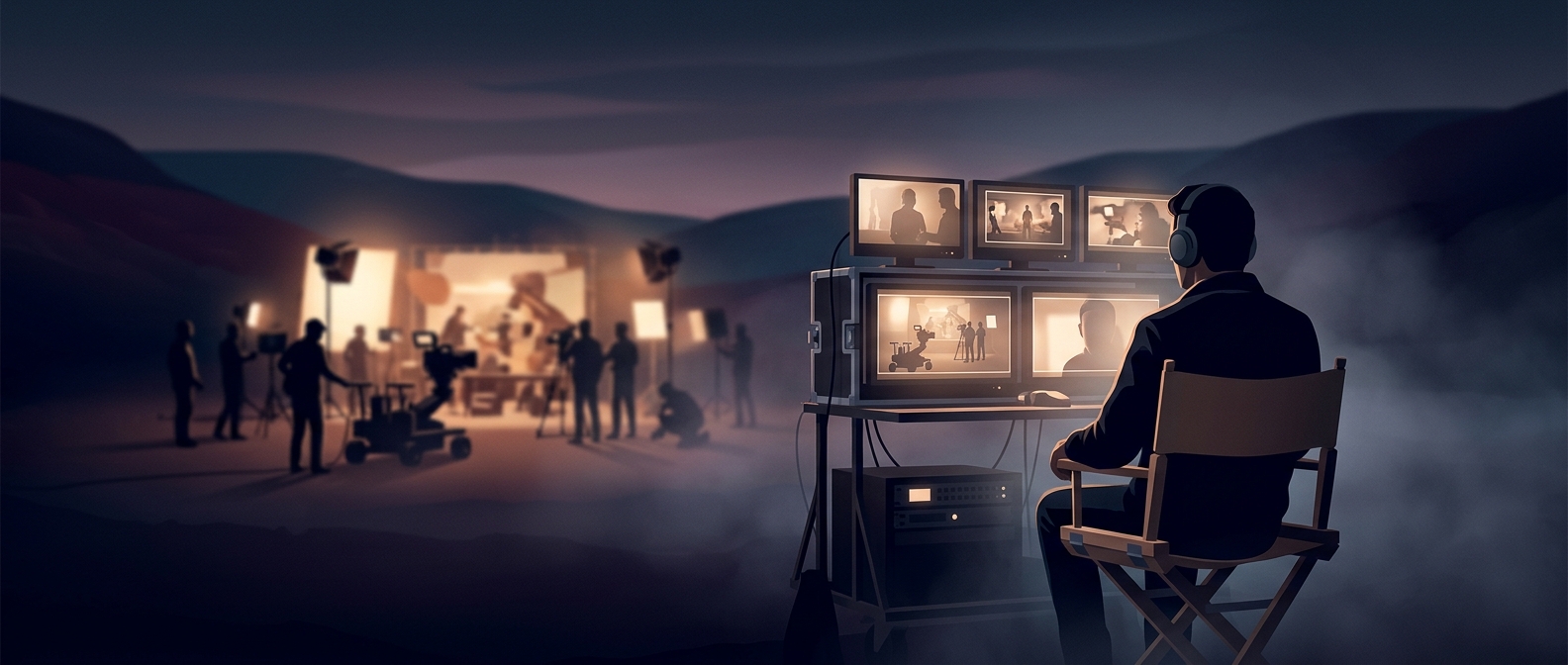
A shot list turns a scene into a practical filming plan. Before the crew starts shooting, the director and cinematographer identify the images the scene needs: perhaps a wide view that establishes where everyone is, a close-up for a crucial reaction, and a detail shot of an object that matters to the action. Each planned setup gives the crew a specific target instead of leaving essential coverage to chance.
That planning matters because scenes are rarely filmed in story order. A crew may shoot all the shots from one camera position together, then move the equipment and lights to another. The list helps track what has been captured and what remains, reducing the risk of wrapping a location only to discover that the editor lacks a necessary view.
Coverage gives the editor choices
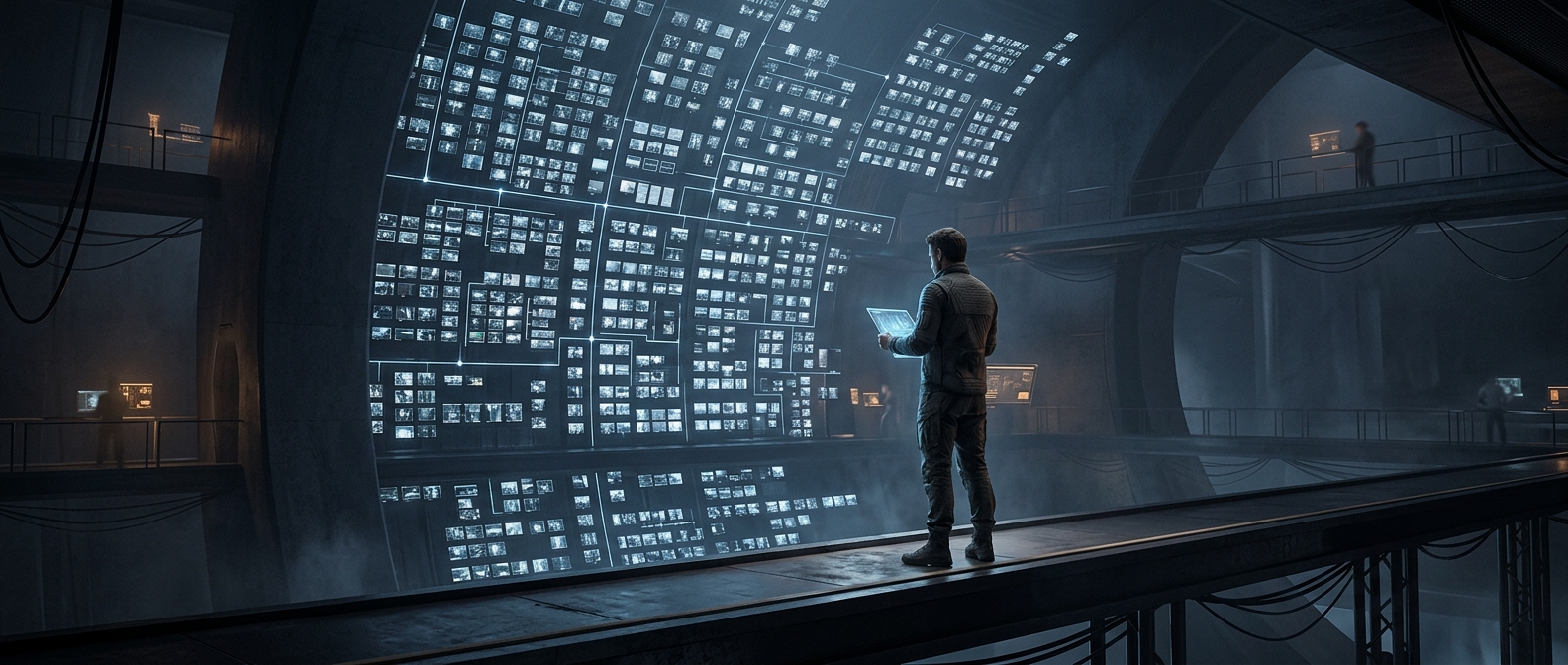
The editor needs more than a record of what happened. A wide shot can show the full exchange, while close-ups can direct attention to a listener’s reaction or a small gesture. These different views are called coverage: complementary footage that lets an editor shape the scene’s pace and emphasis after filming.
A shot list does not dictate the final cut, and a production may capture additional images when circumstances allow. But it marks the footage the story depends on. If a planned close-up is missing, an editor may have to hold on a less expressive shot—or cut around the gap. The list’s value is clearest later, when a few lines on paper determine whether the scene can be assembled smoothly.