Why a Bright Room Can Hide a Full Audience
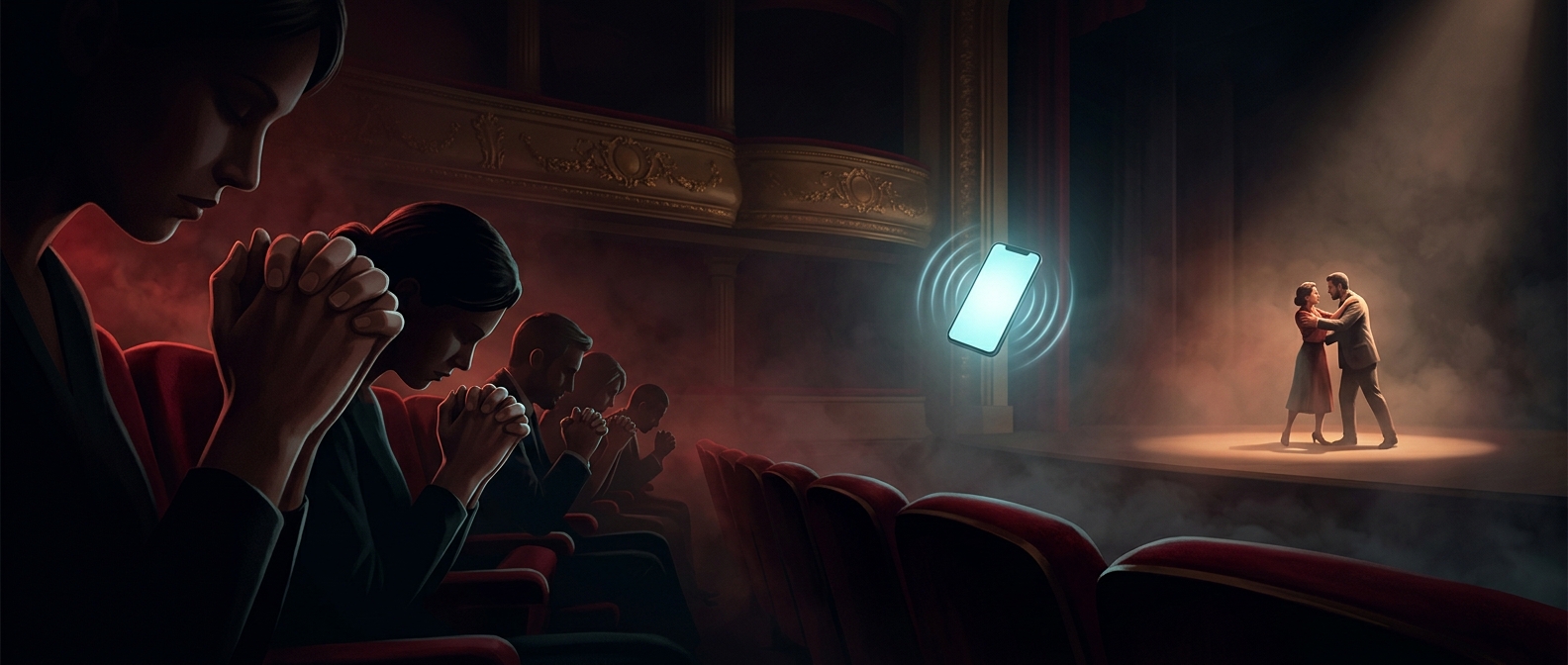
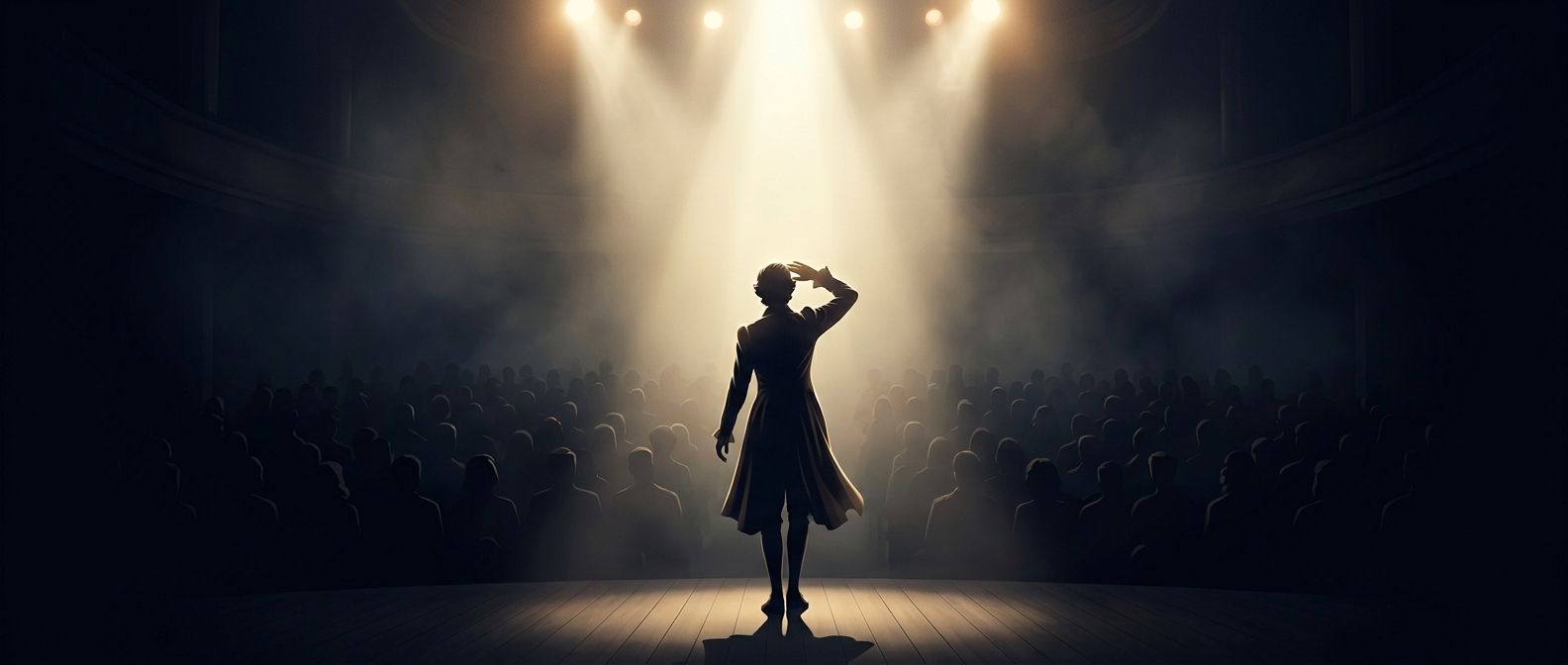
The seats may be occupied, but they are usually kept much darker than the stage. During a performance, lighting crews direct most of the usable light onto the performers and set, while the house lights—the lights that illuminate the audience—are dimmed. From the stage, faces in the crowd receive too little light to stand out against the surrounding darkness.
The Glare Is Part of the View
Many stage lights are positioned in front of the performers and aimed across the stage. Their beams can reach the performers’ eyes, creating glare: light scattered inside the eye that makes faint details harder to see. It is similar to trying to spot someone beyond a car’s headlights at night. Even if the audience is not directly in a beam, the bright stage and the much dimmer seating area create a sharp contrast that favors what is lit.
Eyes also adjust to the light level. A performer looking into bright illumination is less prepared to make out details in a dark auditorium, just as a person leaving a sunlit room takes time to see clearly in a dim one. The stage may therefore read as a bright, defined space with a dark void beyond it—not as a room full of visible faces.
That darkness is useful, too: it keeps attention on the action and helps make changes to scenery and lighting less distracting. Performers can still detect movement, silhouettes, or the general shape of the crowd, but recognizing individual audience members is often difficult until the house lights come up.