The game remembers the last safe moment
A controller does not send a jump command at the exact instant a player presses a button. The game reads input during its update loop, then checks the character’s state: are they standing on a surface, falling, or already jumping? Near a ledge, those checks and the player’s perception can disagree by a fraction of a second. The character may look as though they have just left the ground while the player still expects a jump to work.
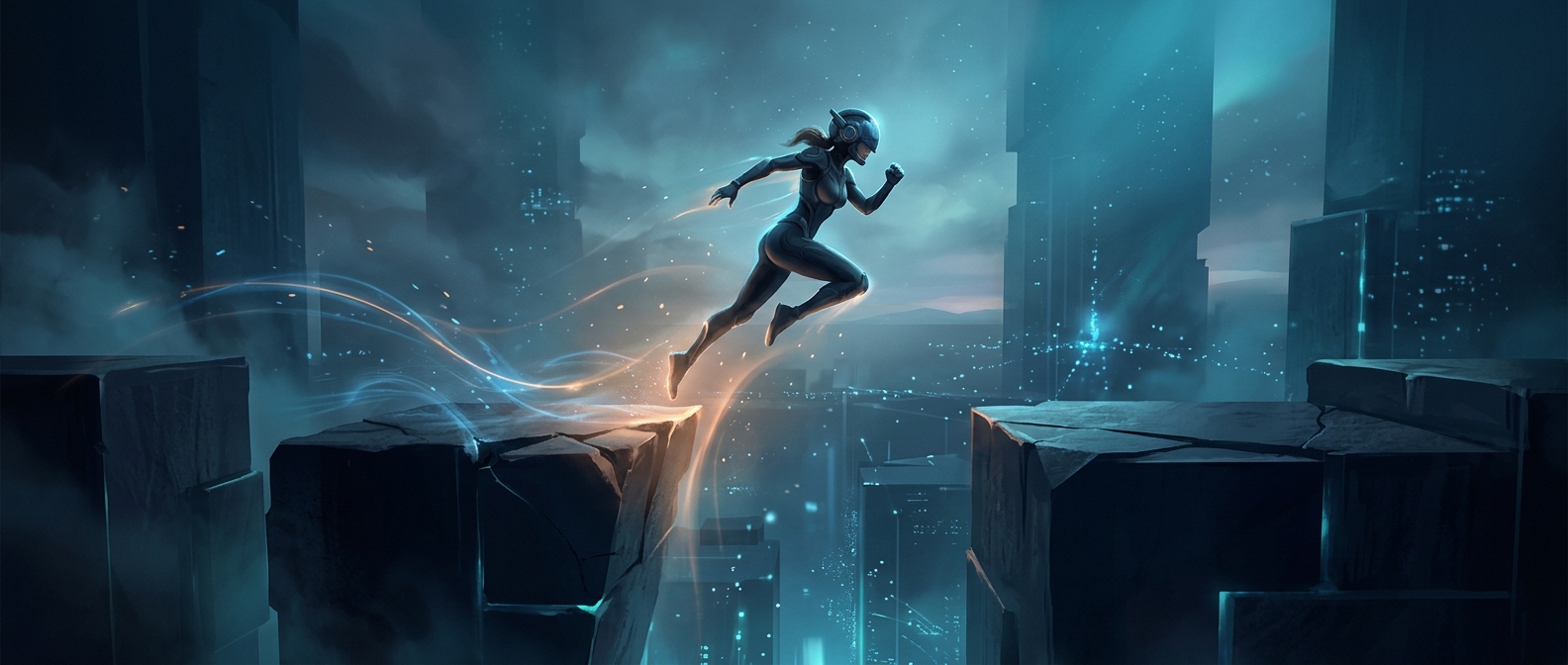
Coyote time smooths over that mismatch by briefly remembering that the character was grounded. In practice, the game starts a small countdown when ground contact ends. If the jump input arrives before it expires, the game accepts it and launches the character upward. Once the countdown runs out, the character is treated as fully airborne and the same input no longer works.
A small allowance changes the feel
Without this grace period, a jump might fail because the player pressed a moment too late—or because the game checked for ground contact just before it read the button press. Coyote time makes controls feel less brittle without changing what the player sees: there is no visible platform extending past the edge, just a short window in which the game is more forgiving than strict physics would be.
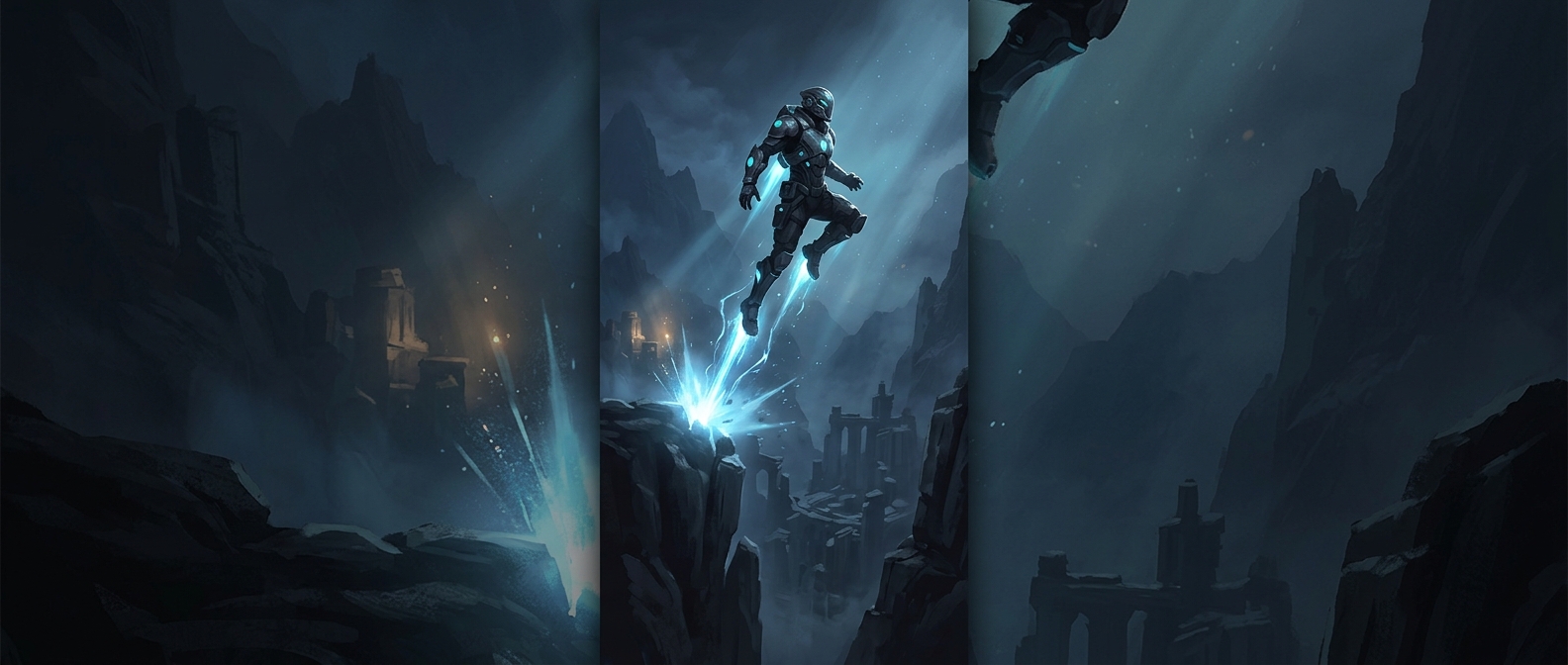
Designers can tune that window to suit the game. A generous one makes difficult platforming less punishing; a tighter one rewards precise timing. The trick is to forgive a near miss without making the ledge feel longer than it looks. That is why a jump that appears to start in midair can still feel fair: the game is honoring the player’s just-ended contact with the ground.