A dagger parry works by changing the sword’s path
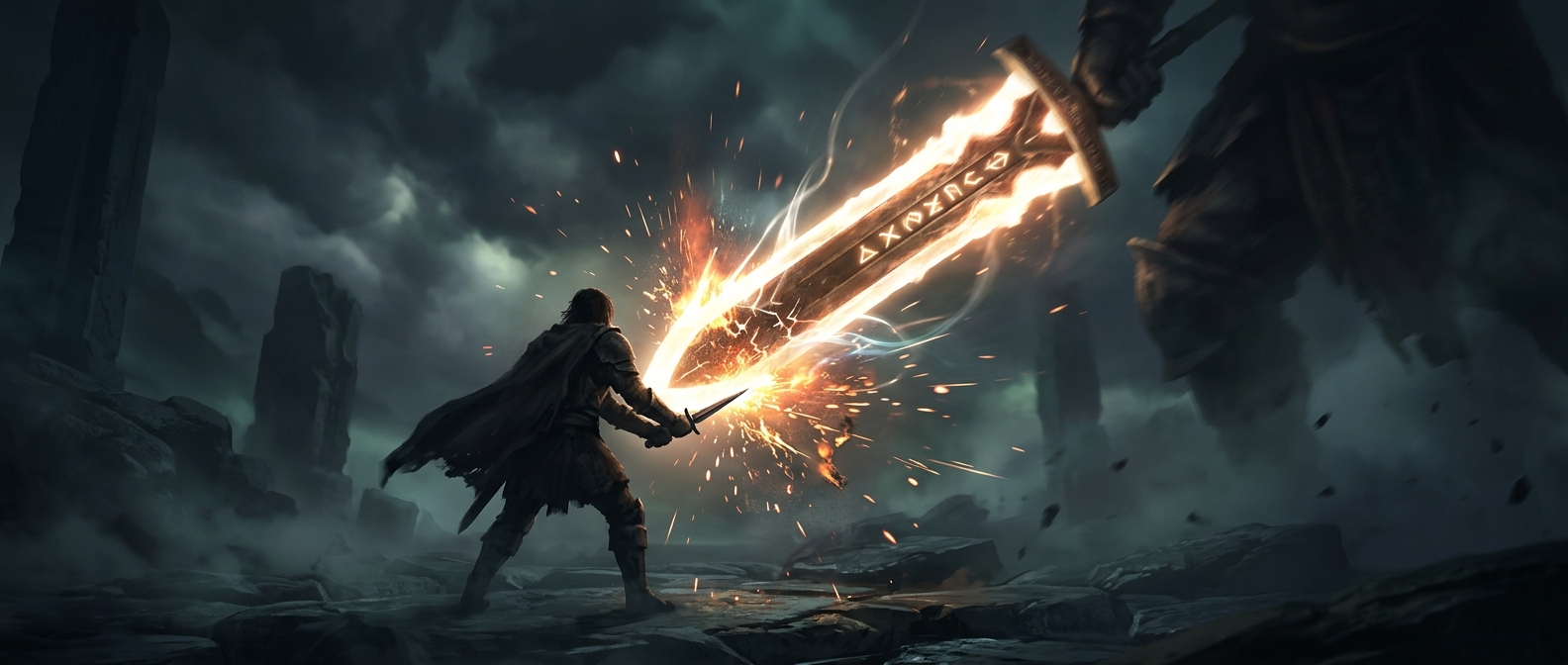
A small dagger is not a miniature shield. Its advantage in a clash is that it can meet an incoming blade at an angle and guide it aside, while the defender moves their body out of the swing’s line. The sword keeps moving, but it misses its target; the dagger does not need to bring all that motion to a sudden stop.
Where the blades meet matters, too. Catching a sword closer to its hilt gives the defender more control than trying to oppose the blade near its tip, where it can move faster. A defender can also use the dagger to press or trap the other blade briefly, creating an opening to escape or counter. These actions depend on timing and position, not on the dagger’s strength alone.
Why games make the clash look stronger
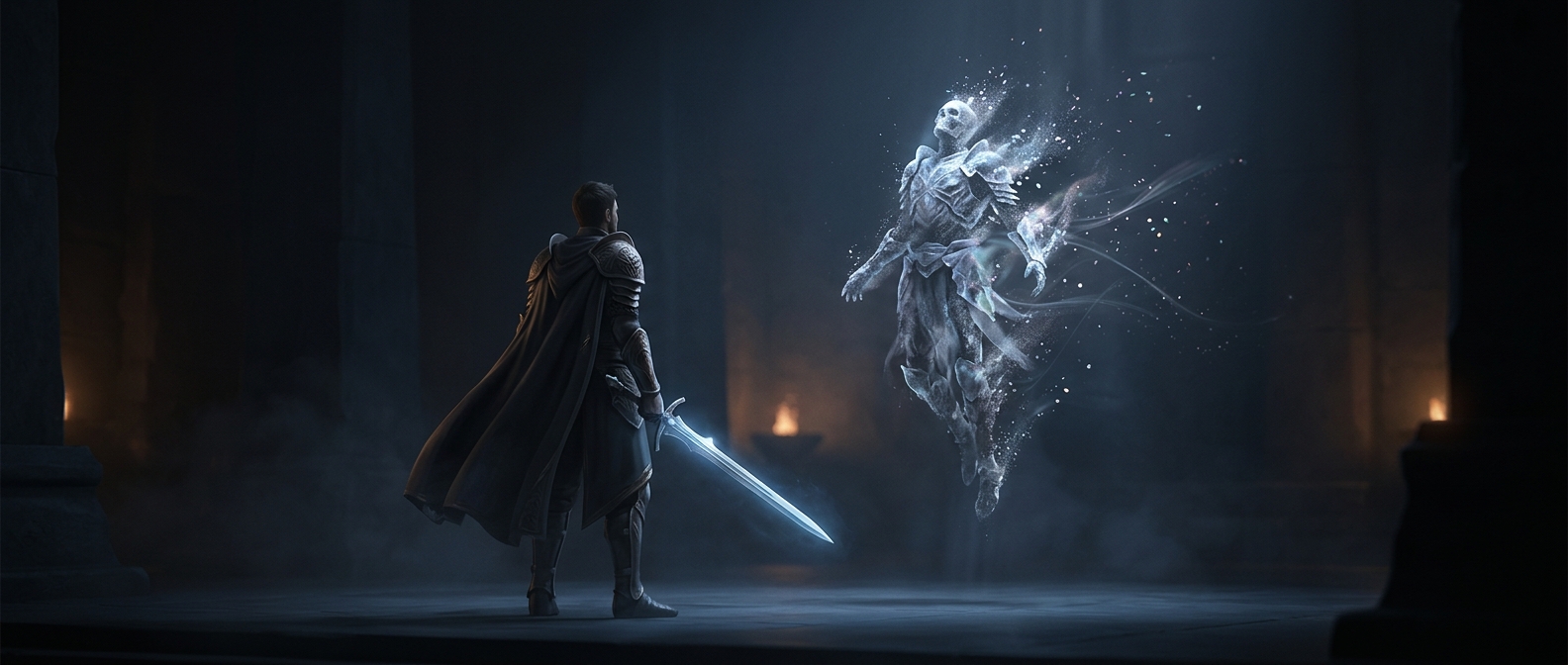
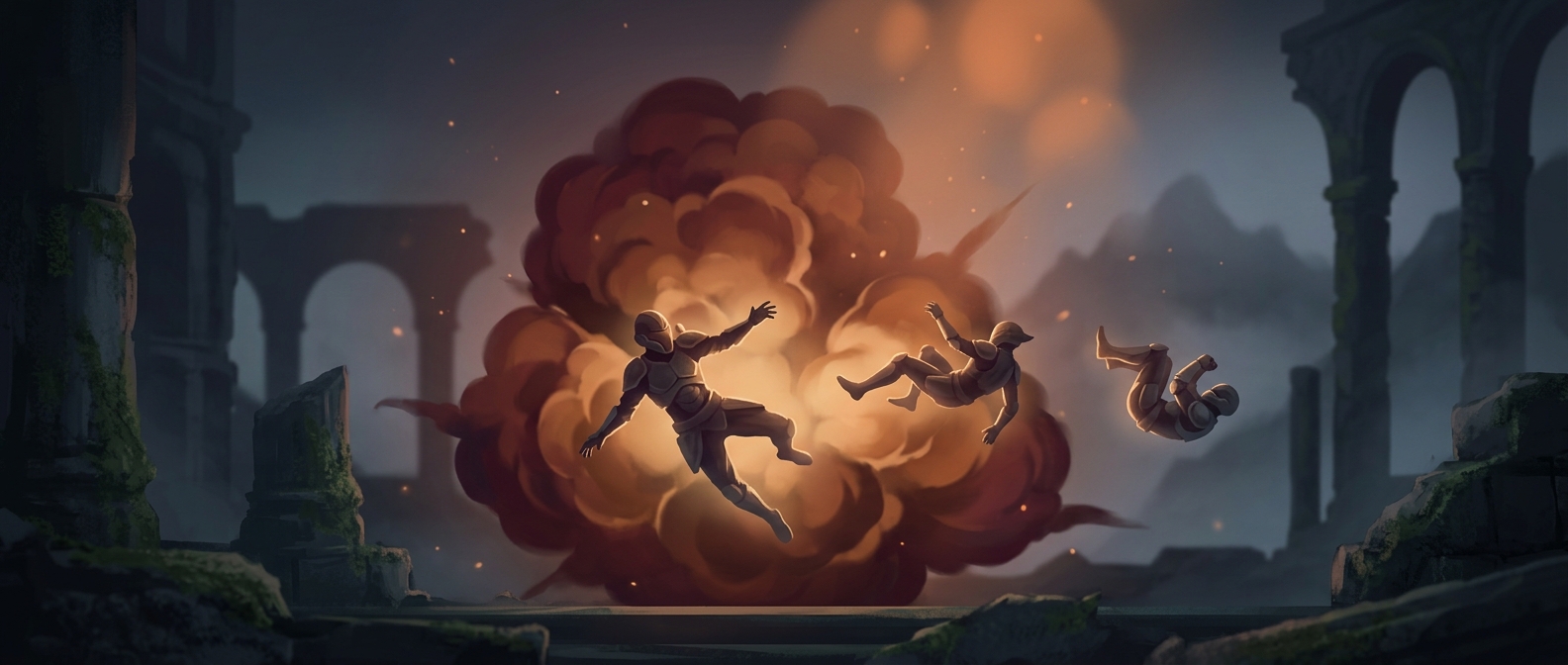
Games often turn that brief redirection into a clear, dramatic event: the sword bounces away, the attacker staggers, or a parry meter fills. Those effects make the move readable and rewarding, even though the fictional dagger is not literally absorbing the sword’s full force. The game compresses a sequence of angle, footwork, and leverage into a single button press or animation.
That simplification also helps balance combat. If a small weapon could halt every heavy strike with no timing or risk, its size would stop mattering. A convincing parry instead makes the dagger powerful in a narrow window: useful when the defender reads the attack, vulnerable when they try to meet force with force.