How felt keeps game pieces under control
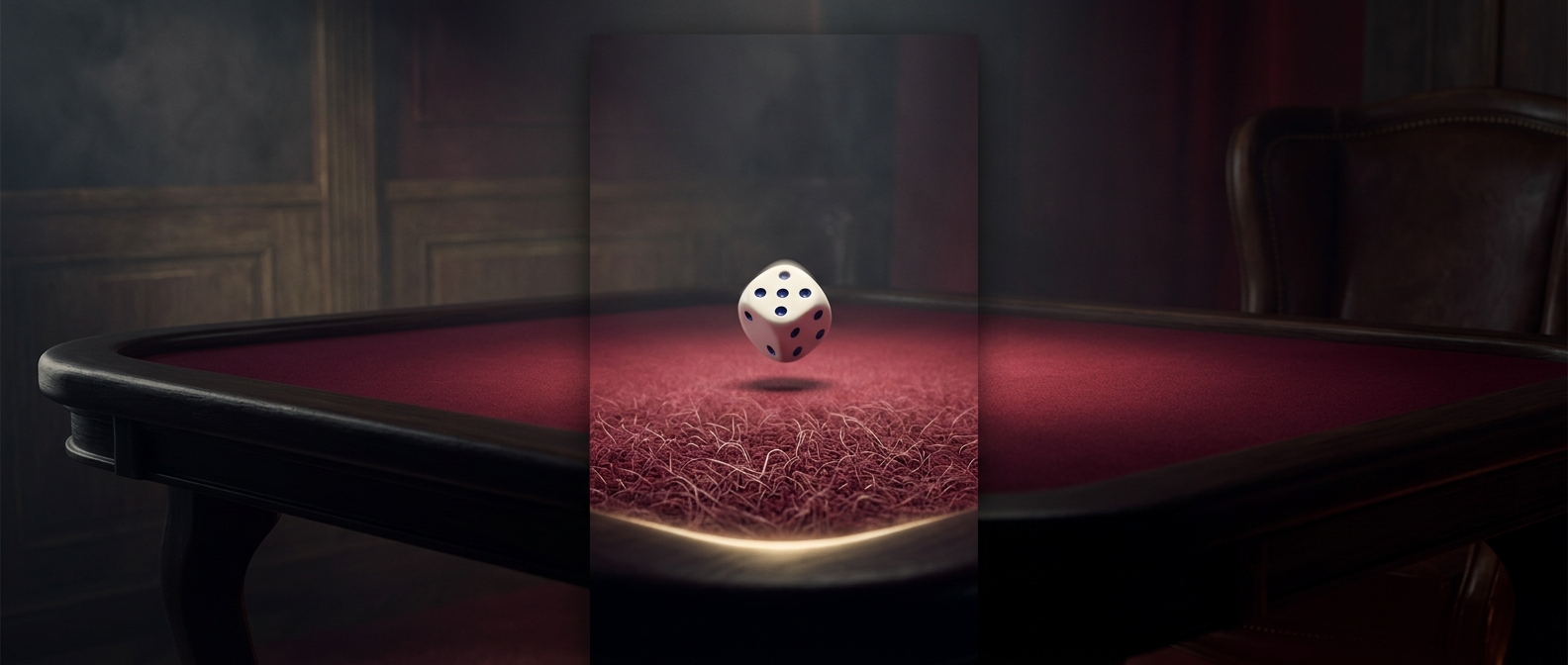
A smooth tabletop gives a moving token little resistance: after a nudge, it can keep sliding well beyond the player’s intended landing spot. Felt changes that surface. Its dense, fuzzy fibers press against the bottom of a piece, creating friction that drains motion as the piece moves.
That resistance is especially useful in games where pieces are pushed rather than lifted and placed. A token can still travel across the table, but it is less likely to shoot away after a slightly overpowered move. The cloth also softens impacts, so pieces make less noise when they land or bump into one another.
A surface chosen for play, not just appearance
The useful quality is not simply that felt is soft. Its fibers provide a consistent amount of drag across the playing area, helping movement feel predictable from one turn to the next. A bare, hard surface may be easier to wipe clean, but it offers less control over sliding pieces and lets impacts ring out more sharply.
The tradeoff is that fuzzy cloth can collect dust and debris, and its surface can wear with use. Still, for games built around moving small pieces, that modest maintenance buys a practical advantage: a careless bump is more likely to stop on the board than send a token skittering toward an unreachable corner.