How a Hand Crank Could Turn a Chase Into a Blur
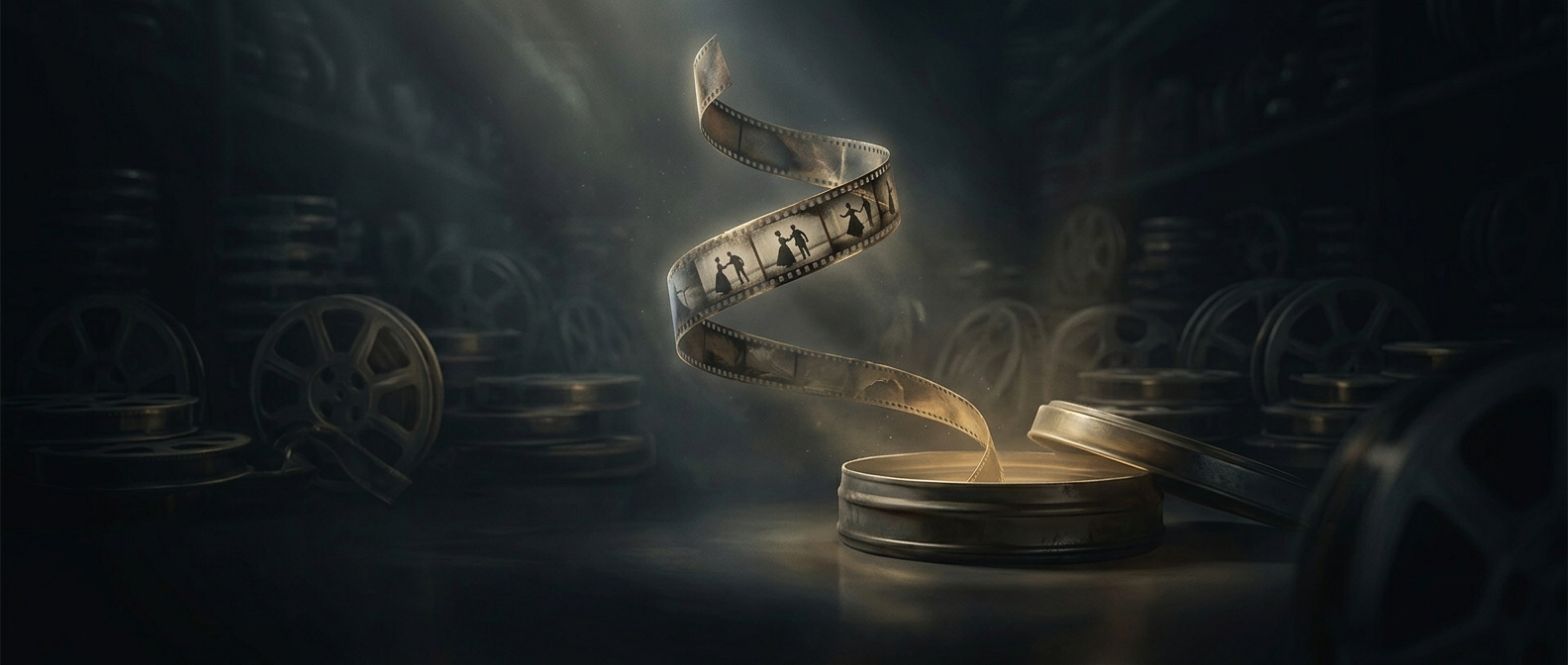
In many early cinemas, a film projector was operated by turning a hand crank. The crank controlled how quickly the film strip moved past the light and how often each frame appeared on screen. Because the speed could vary, a projectionist could make a scene play faster by cranking more quickly.
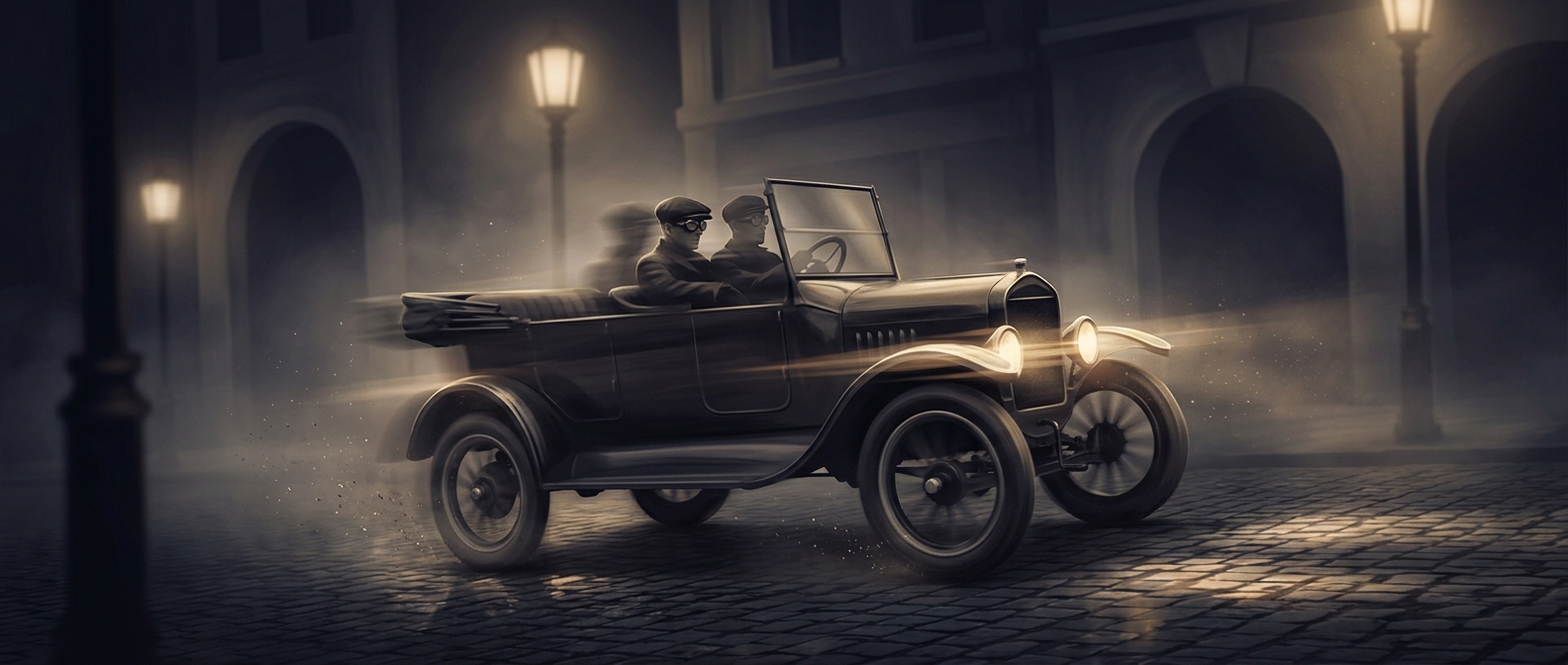
That changed more than the film’s running time. Each frame captures a separate instant; when those instants are shown in quicker succession, the action seems to cover more ground between one image and the next. A runner’s stride can look longer, a tumble more abrupt, and a vehicle’s movement more frantic. The chase gains urgency without changing anything that happened in front of the camera.
Why the Motion Could Look So Strange
The effect was especially pronounced because silent films were often recorded at a slower frame rate than later sound films. If a scene was filmed slowly and then projected faster, gestures and movement were compressed into less screen time. Actors could appear to dart or lurch rather than move at a natural pace.
A projectionist could use that mismatch deliberately, speeding up a chase to sharpen its comic or thrilling effect. But fast-looking motion does not always prove that someone at the theater cranked faster: the camera might also have been operated slowly during filming, or the film may simply be shown at a different speed today. The look comes from the relationship between filming speed and projection speed.
A Practical Way to Raise the Stakes
Before synchronized sound made consistent playback speed essential, this flexibility gave exhibitors some control over a film’s rhythm. A few quicker turns of the crank could make a pursuit feel more perilous—or more ridiculous—without adding a new shot or changing the action. That is why an old chase can seem to accelerate as if the screen itself were being hurried along.