The possibility that Alexander was still alive
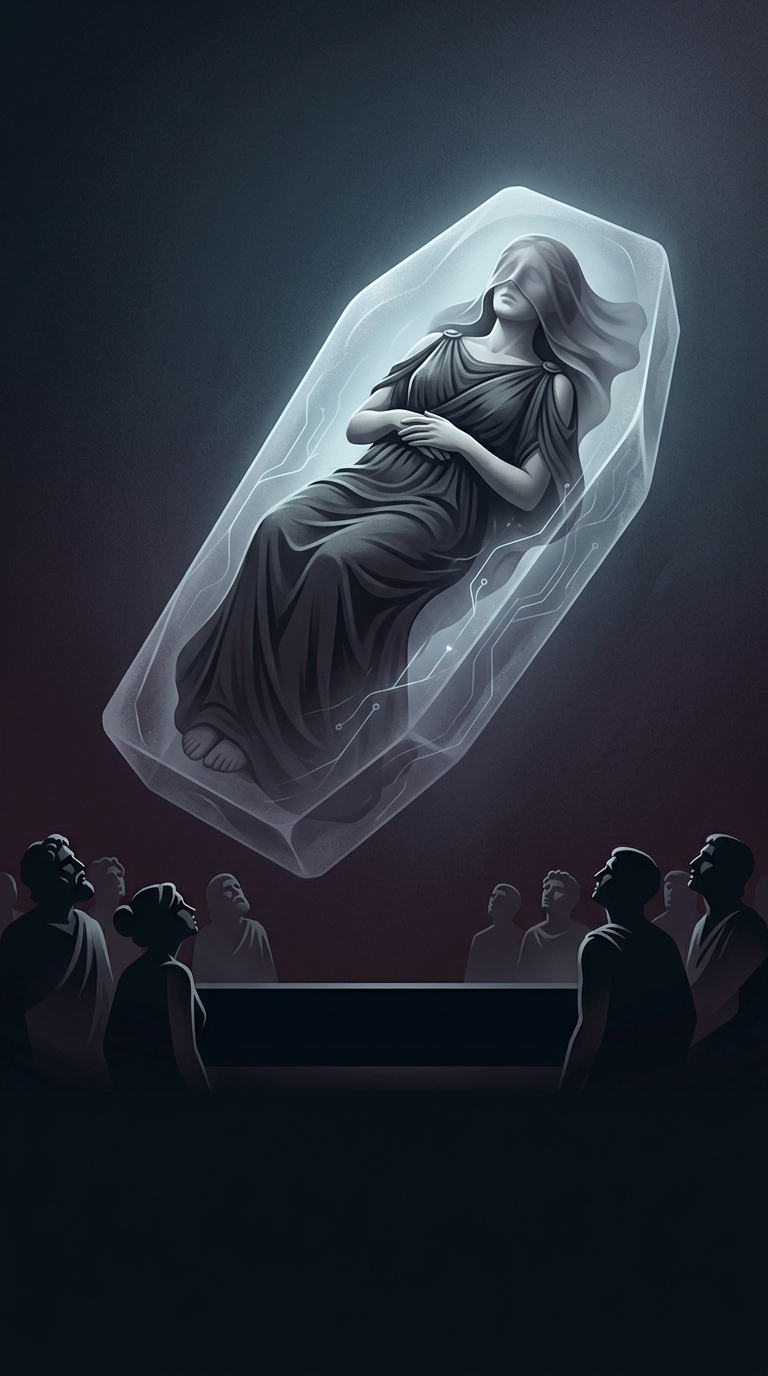
Ancient accounts say Alexander’s body showed no obvious decay for six days after he was declared dead. One modern medical hypothesis turns that remarkable detail into a grim possibility: perhaps he had not died when observers thought he had.
The proposed explanation is Guillain–Barré syndrome, a rare disorder in which the immune system attacks nerves. It can cause rapidly worsening weakness or paralysis, and in severe cases weaken the muscles needed to breathe. A person might remain conscious while becoming almost completely unable to move or produce visible signs of breathing. In the ancient world, where death was judged without modern tests, that could make a living person appear dead.
Why the body might have seemed unchanged
If Alexander’s breathing had become extraordinarily shallow, witnesses could have mistaken him for a corpse. On this theory, the lack of decay was not evidence that his body resisted decomposition; it was a sign that he was still alive during some or all of the reported six days. The hypothesis also offers a possible explanation for reports that his mind remained clear near the end of his illness.
That is a proposed retrospective diagnosis, not a confirmed one. The accounts cannot establish exactly when Alexander died, and the symptoms recorded centuries ago are too limited for certainty. Still, the idea gives the famous story a chilling twist: the apparent preservation of his body may have reflected a failure to recognize life, rather than an unusual process after death.