When the Text Had to Live in the Student
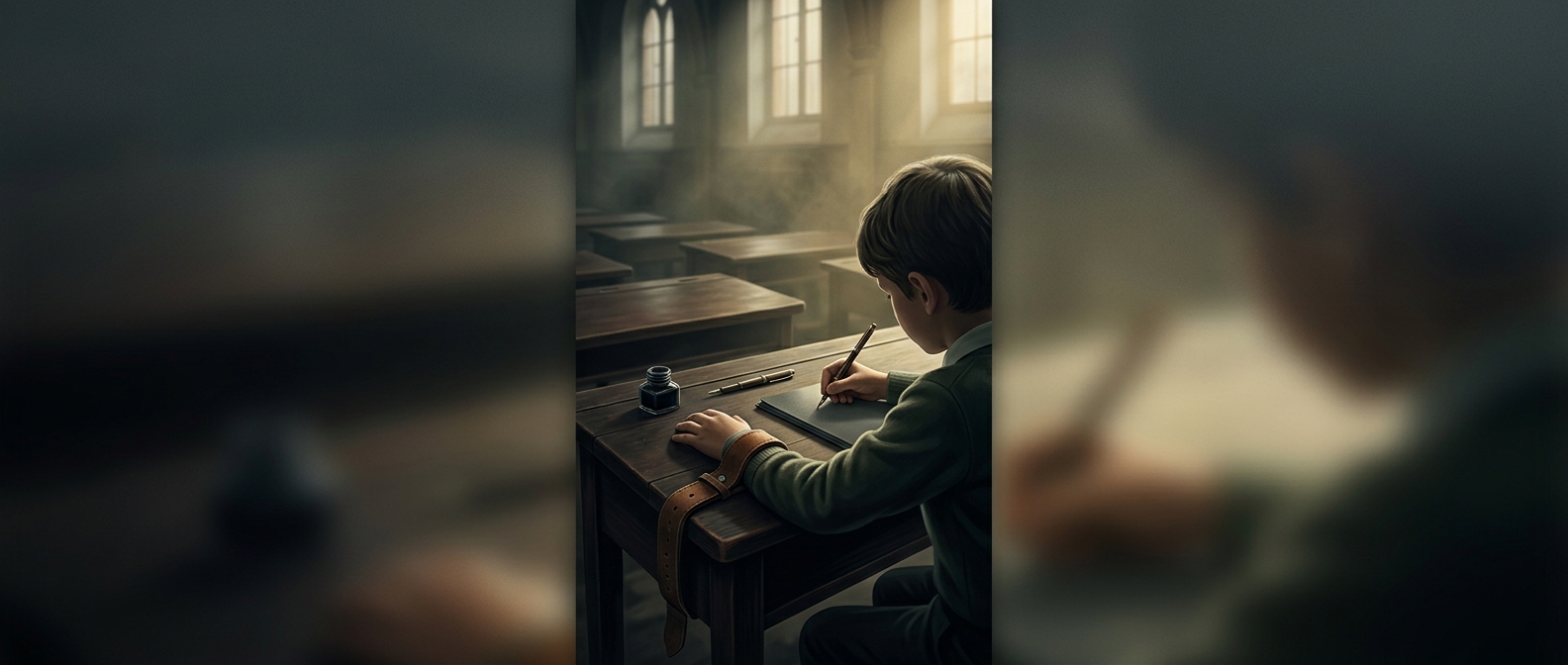
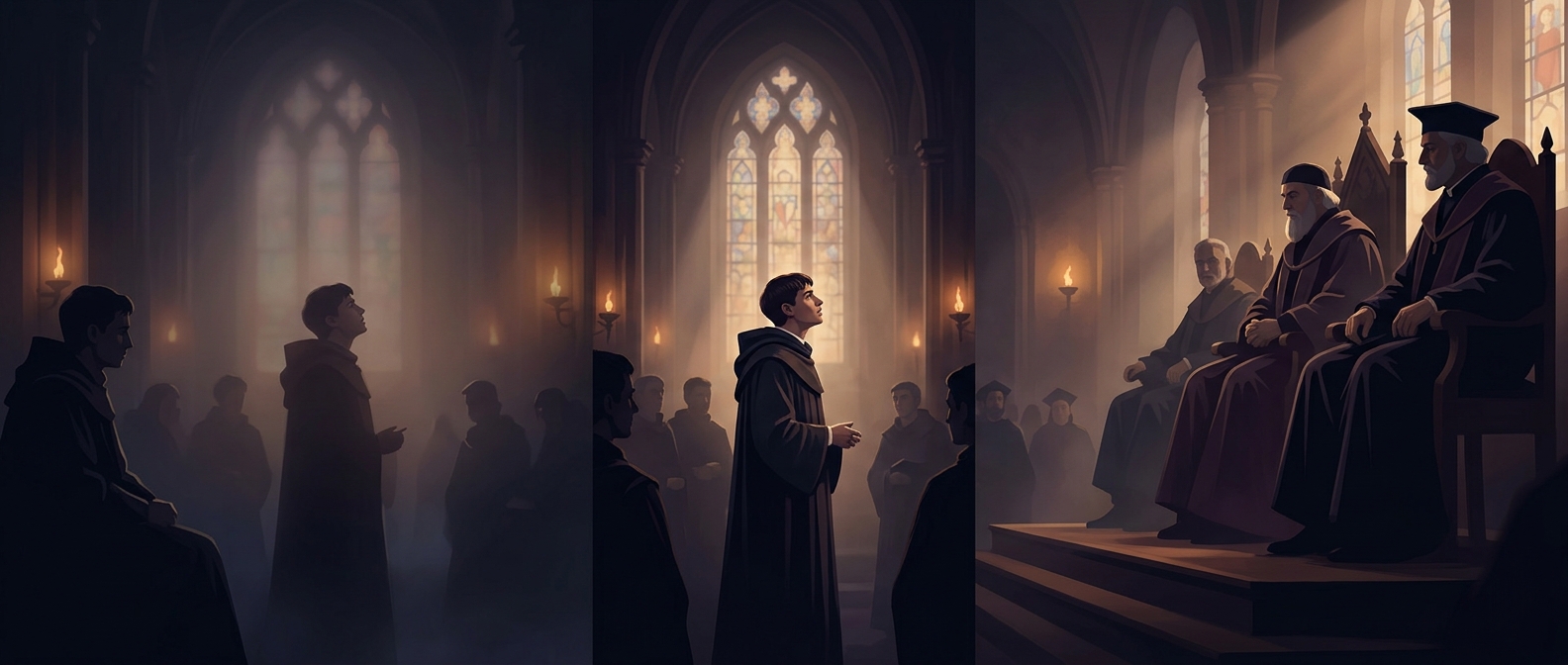
In a school built around oral teaching, a philosophical work was not always something a student could consult on a shelf. Learning it by heart made its arguments available wherever the student went: in discussion, in study, and when no written copy was at hand. The mind served as both archive and search tool.
That did not mean memorization was simply a test of verbal endurance. Repeating a passage gave teacher and student a shared sequence of words to work through. They could stop at a claim, examine its meaning, and return to the passage without first locating a page. A remembered text could be carried into conversation and reconsidered piece by piece.
A Different Kind of Access
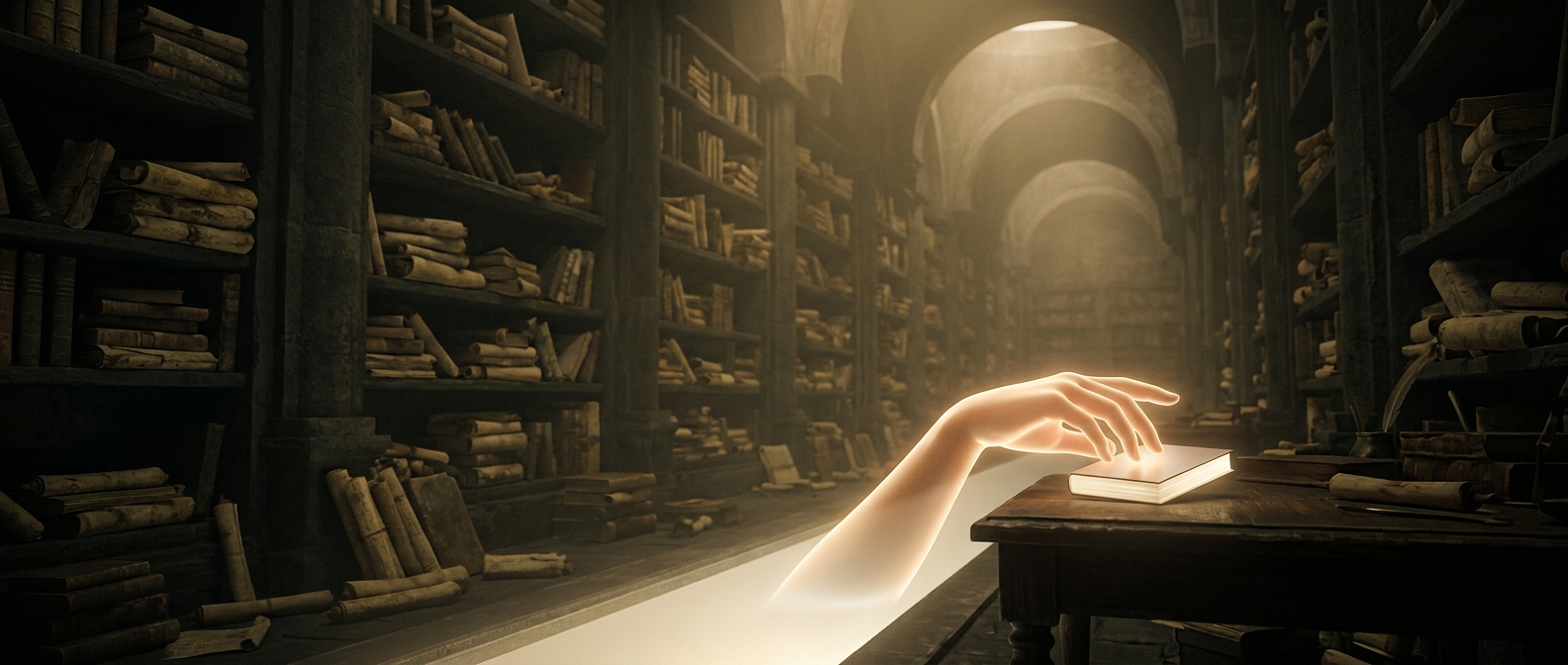
Written copies still mattered, but they could be scarce, difficult to reproduce, or unavailable to an individual student. Oral instruction made teaching possible without each learner possessing a book. It also shaped what counted as learning: knowing a work meant being able to reproduce it, not merely recognize its title or find a passage with a search.
The method had a tradeoff. A student could recall exact wording, but accurate recall depended on repeated practice and correction; memory was not an effortless or infallible substitute for a manuscript. And a text learned by heart could travel with its student, while a text left on a page could not.
The striking consequence is that philosophical study could continue after the lesson ended. The classroom’s material was no longer only in a teacher’s voice or a written copy—it was something the student had to carry.