The argument is staged around the toothbrush
A real toothbrush takes up space in the mouth and interrupts the precise movements that shape speech. Toothpaste foam adds another nuisance: it encourages spitting or rinsing, not a long, clean exchange. So a movie scene that looks like uninterrupted brushing and arguing is usually built to preserve the appearance of the chore while keeping the words understandable.
The actor can slow the brushing, pause between strokes, or hold the brush in a way that leaves room to speak. The argument can also be arranged in short turns, with brushing happening in the gaps. These small adjustments let the scene read as an ordinary, distracted morning without requiring the actor to deliver every line through a mouthful of foam.
The camera helps sell the illusion
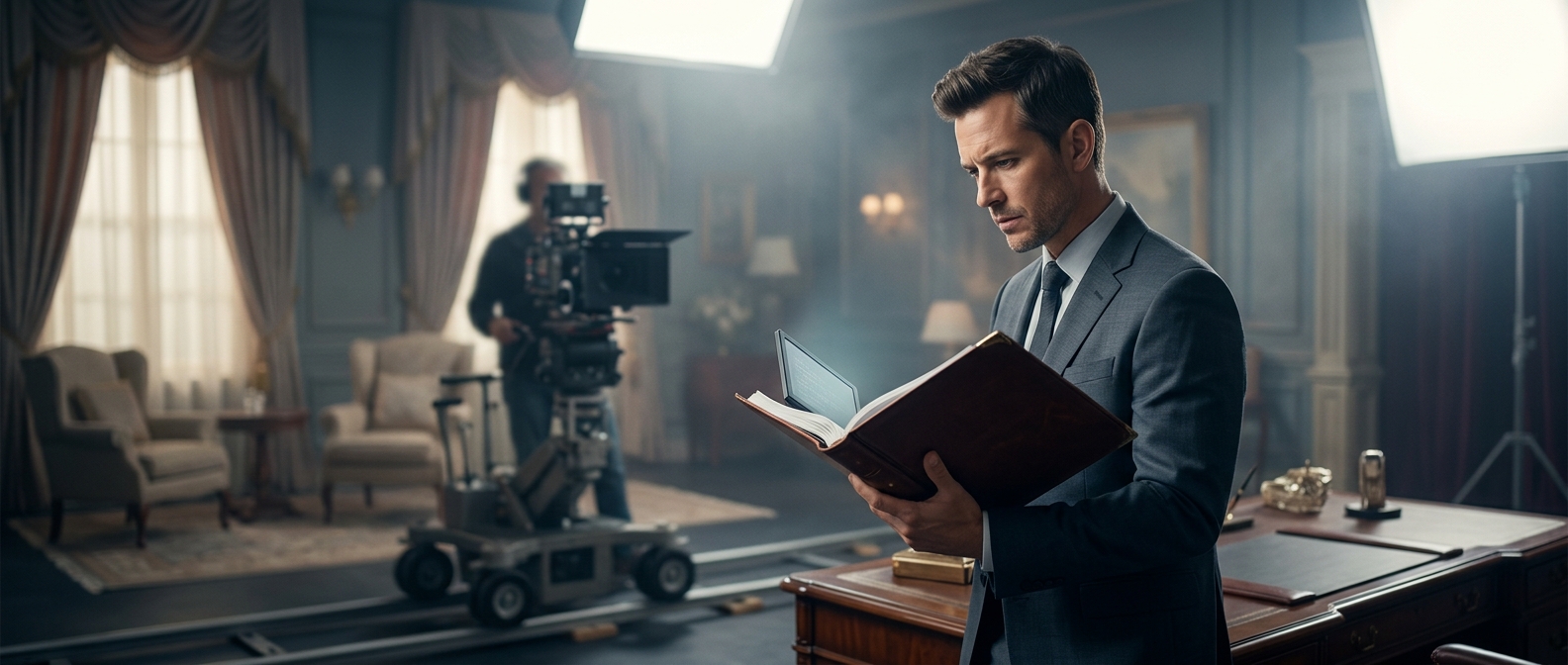
Film does not have to show every moment continuously. A cut can shift attention from the brush to the other character, or a line can be delivered when the actor has moved the brush aside. Sound and editing keep the exchange clear while the images maintain the impression that the characters are still getting ready.
That tradeoff matters because the scene’s real purpose is usually the conversation: the toothbrush makes the setting feel domestic and casual, while the audience still needs to catch the words. The brush is part of the performance, not an obstacle the movie must reproduce exactly. Watch closely and the argument may continue—but the brushing often pauses when a line needs to land.