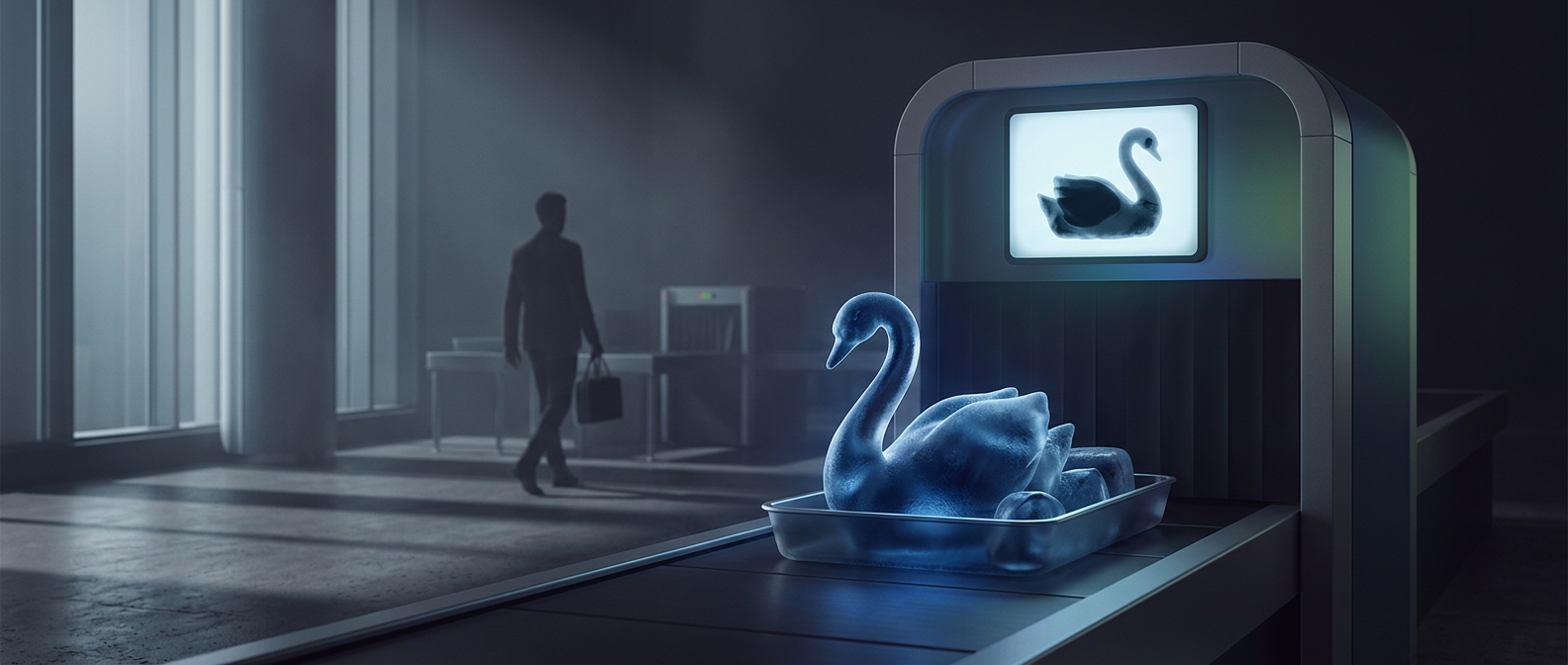
Why the checkpoint treats frozen drinks differently
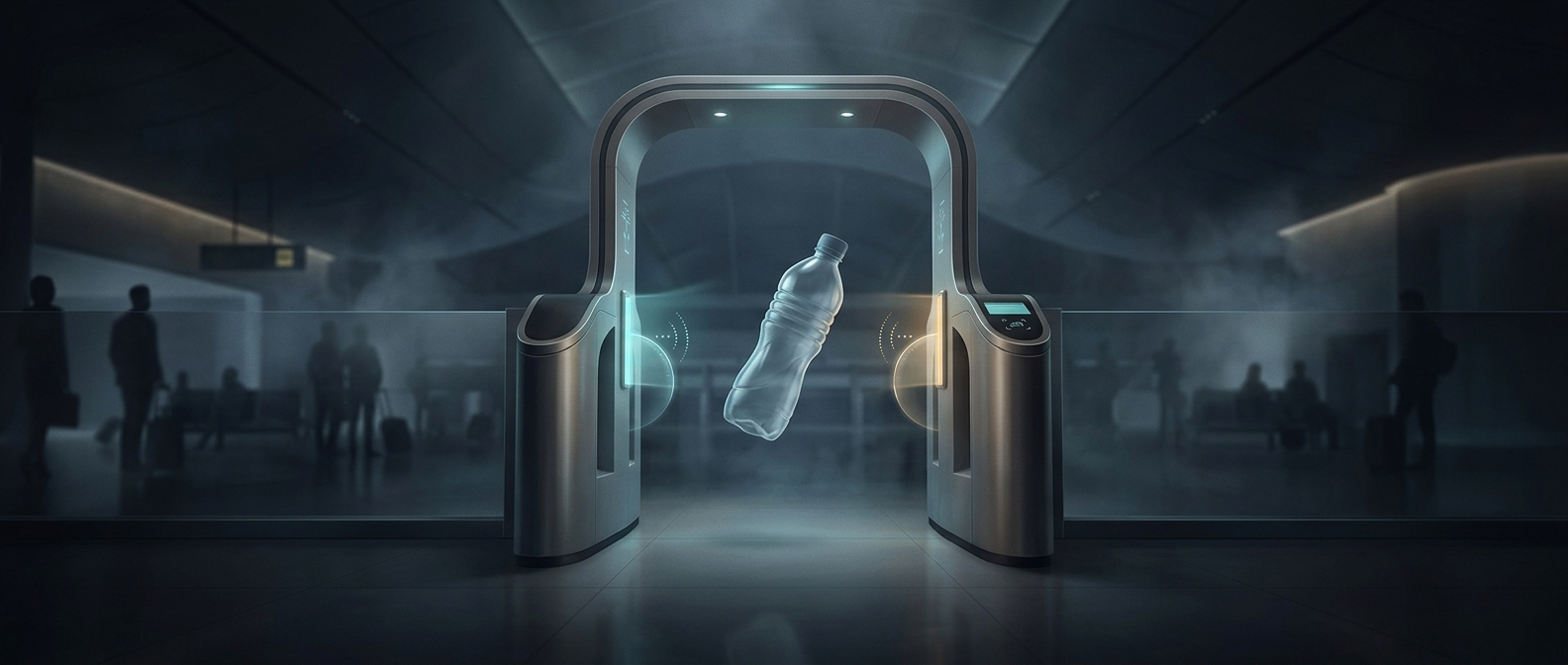
Airport liquid limits address a screening problem: a large container of liquid is difficult to assess quickly, and some dangerous substances can resemble ordinary drinks. A solid object presents a different screening task. When a drink is fully frozen, it can be handled as a solid rather than as a container of pourable liquid.
That distinction depends on its state at the checkpoint—not on what the drink was before it froze. Security staff may examine a bag or item if something on the scanner needs clarification, but a frozen drink does not have to be poured into a small container simply because it will eventually melt.
The melting point is the practical catch
A frozen drink that has begun to soften can turn into a mix of ice and liquid. Once it is no longer solid all the way through, the liquid portion may be treated under the usual liquid restrictions. A long line or delay can therefore change whether the same bottle qualifies.
The useful detail is timing: freeze the drink thoroughly, keep it solid until screening, and expect the checkpoint’s rules to apply to its condition when it is inspected. The security advantage disappears as soon as the bottle starts to thaw.